Bean origins & post-harvest
Bean routes are reviewed by origin, crop period, fermentation, drying, preparation and current lot availability. Post-harvest condition and exporter capability must fit the buyer's processing and shipment requirements.
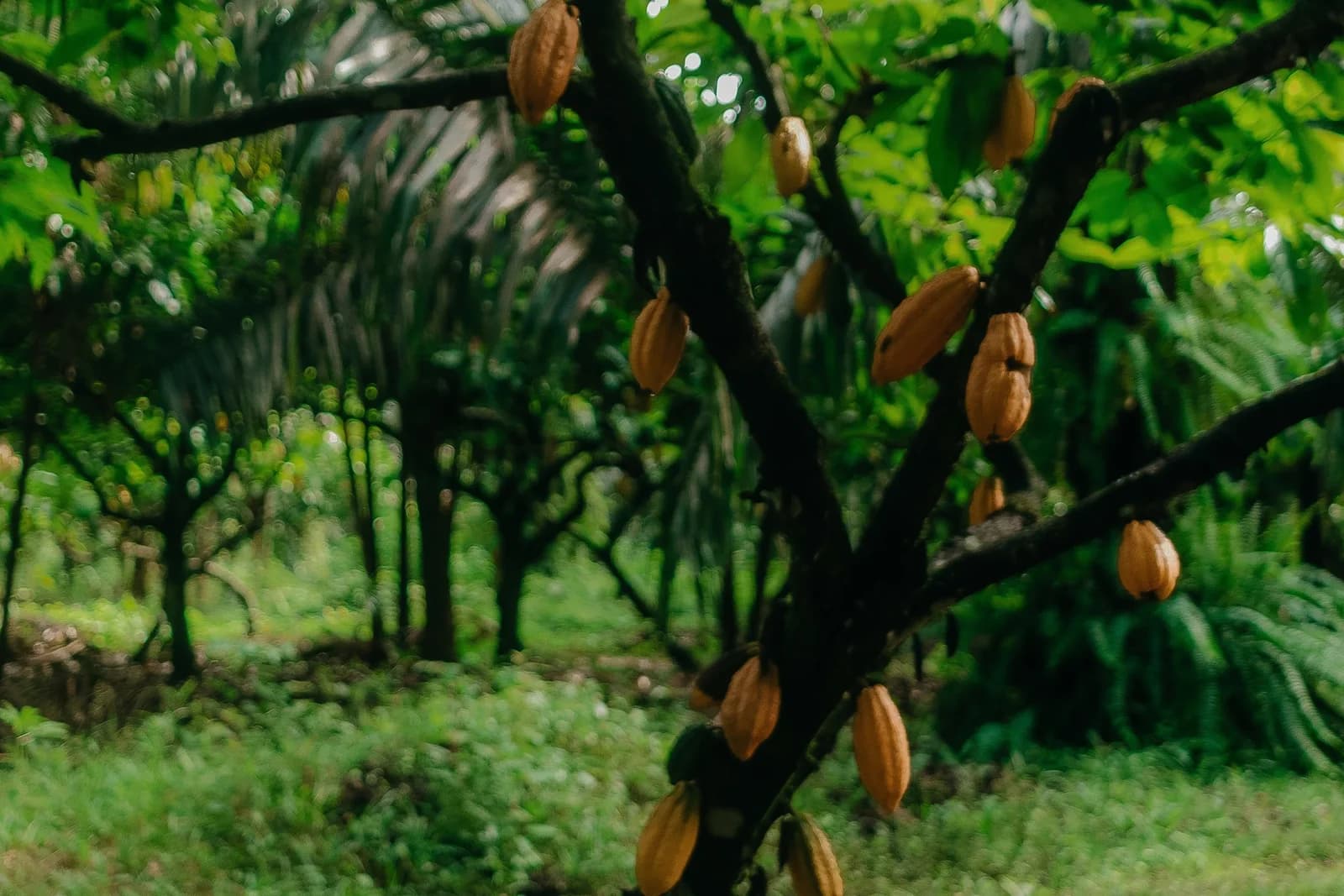
A3 reviews commercial cocoa requirements across fermented beans, natural or alkalised powder, natural or deodorised butter and cocoa mass/liquor, aligning application, origin, specification, packing, certification, traceability and shipment route.
Cocoa programmes differ by product form, origin, processor capability and traceability requirement. A3 reviews these variables together before a route is treated as workable.
Bean routes are reviewed by origin, crop period, fermentation, drying, preparation and current lot availability. Post-harvest condition and exporter capability must fit the buyer's processing and shipment requirements.
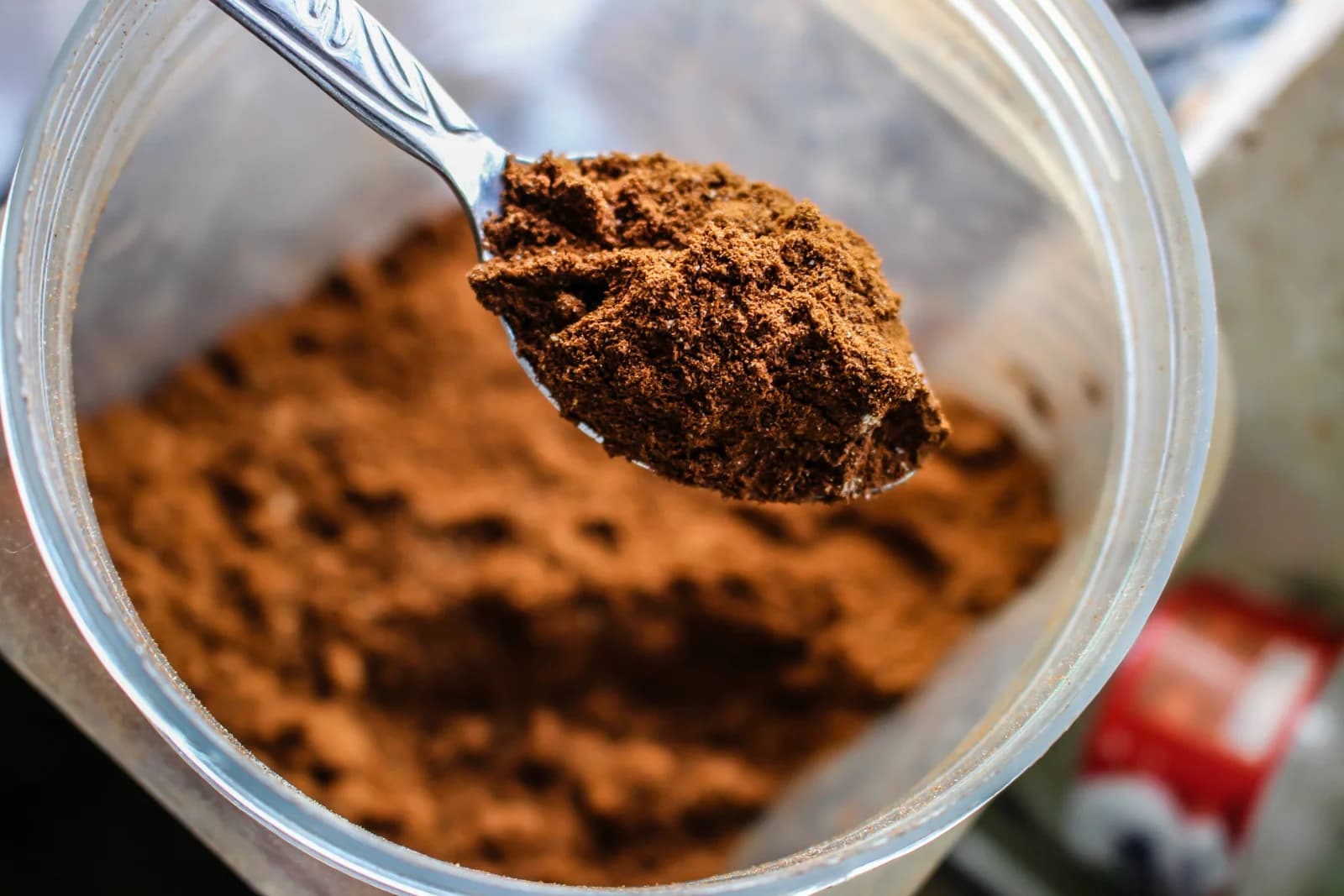
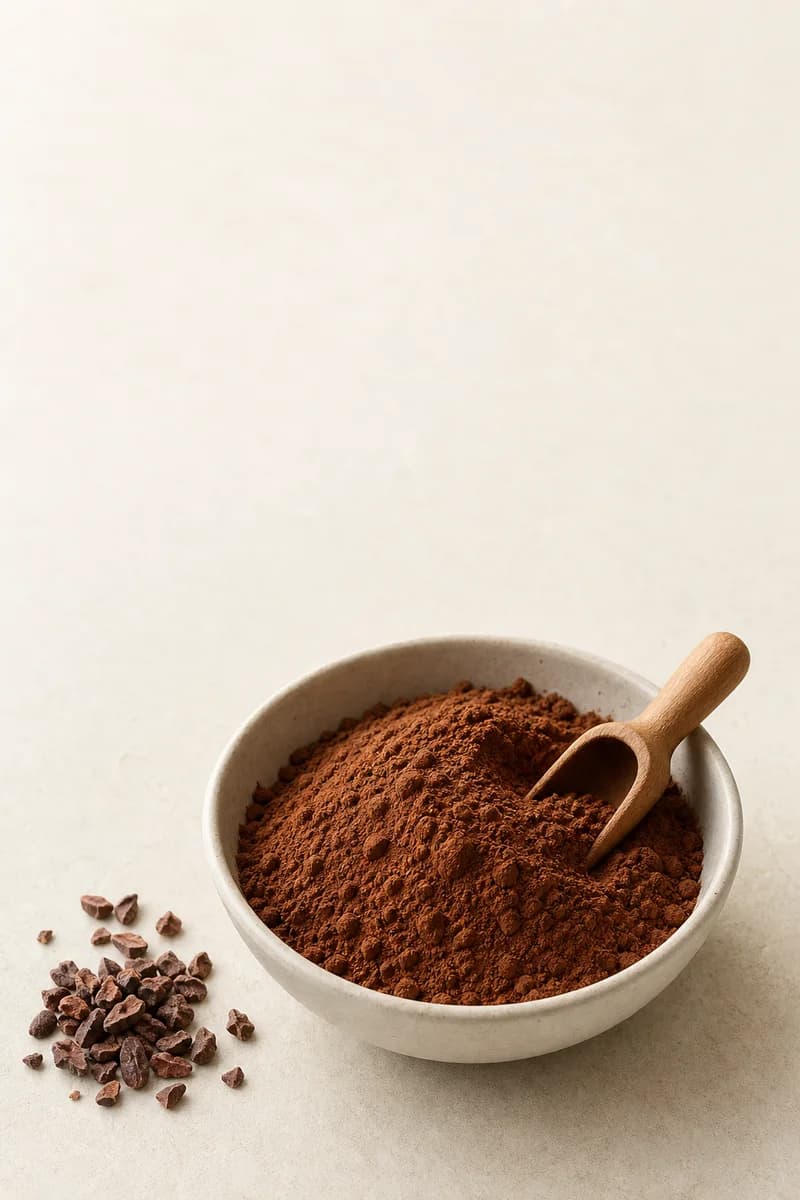
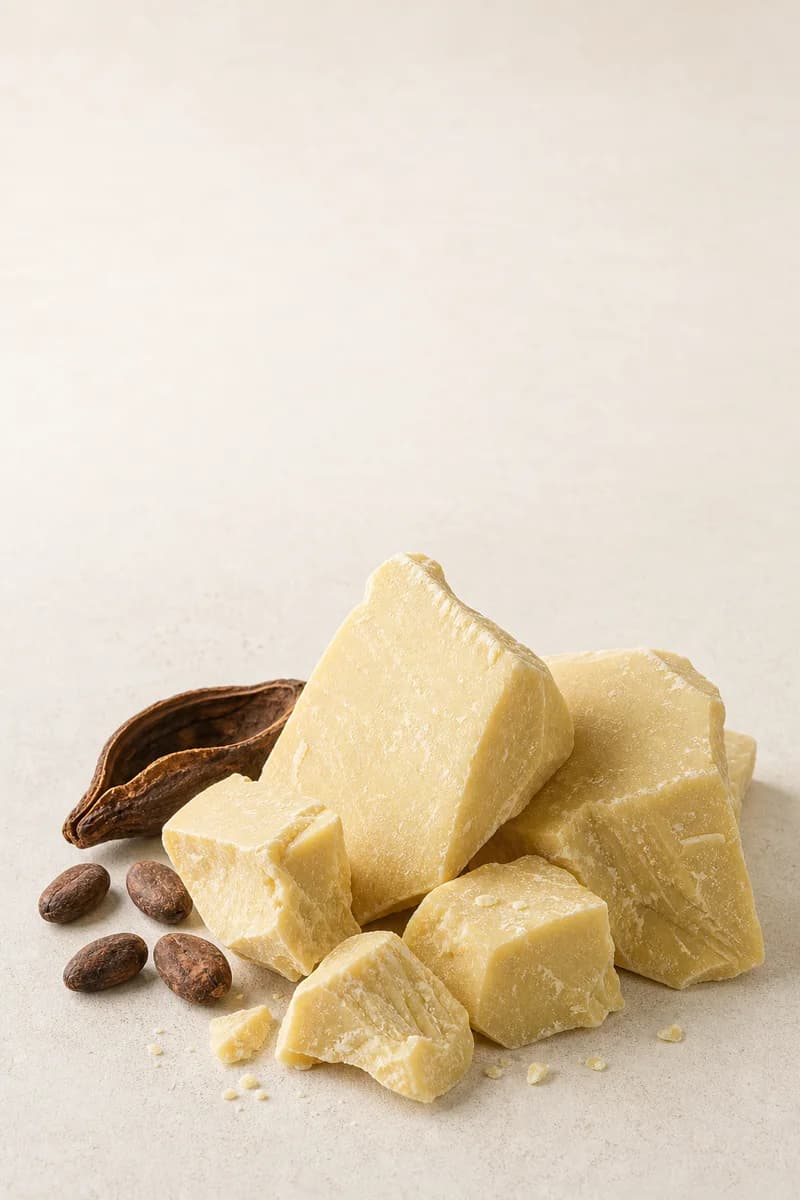
Powder, butter and mass or liquor depend on processor capability, application fit, specification and current production or stock availability. The offered product is confirmed against the named processor and route.
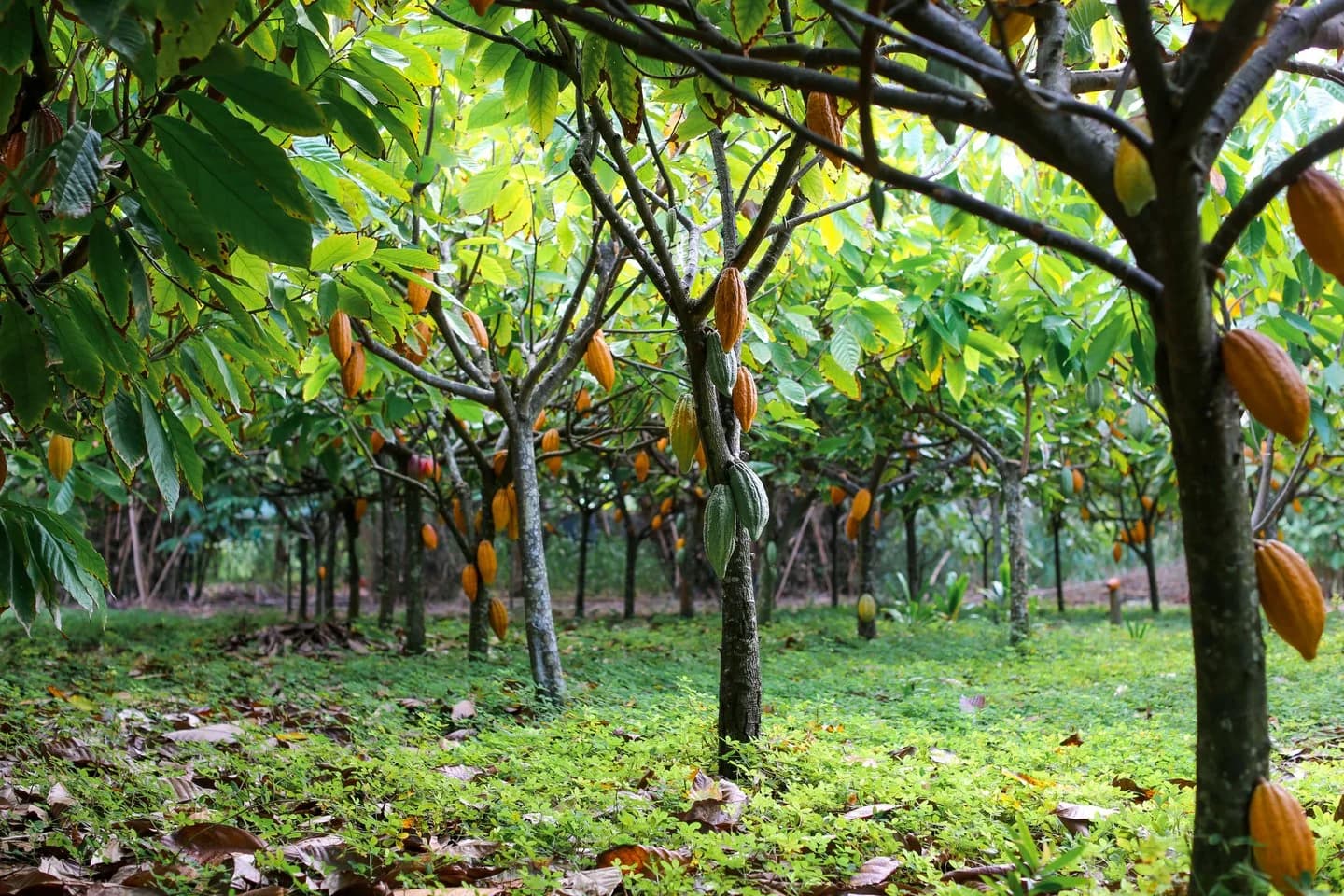
Traceability may range from country and processor identification to certified chain-of-custody arrangements. Fairtrade or Rainforest Alliance options are presented only when the producer or processor, certification scope and transaction records are confirmed.
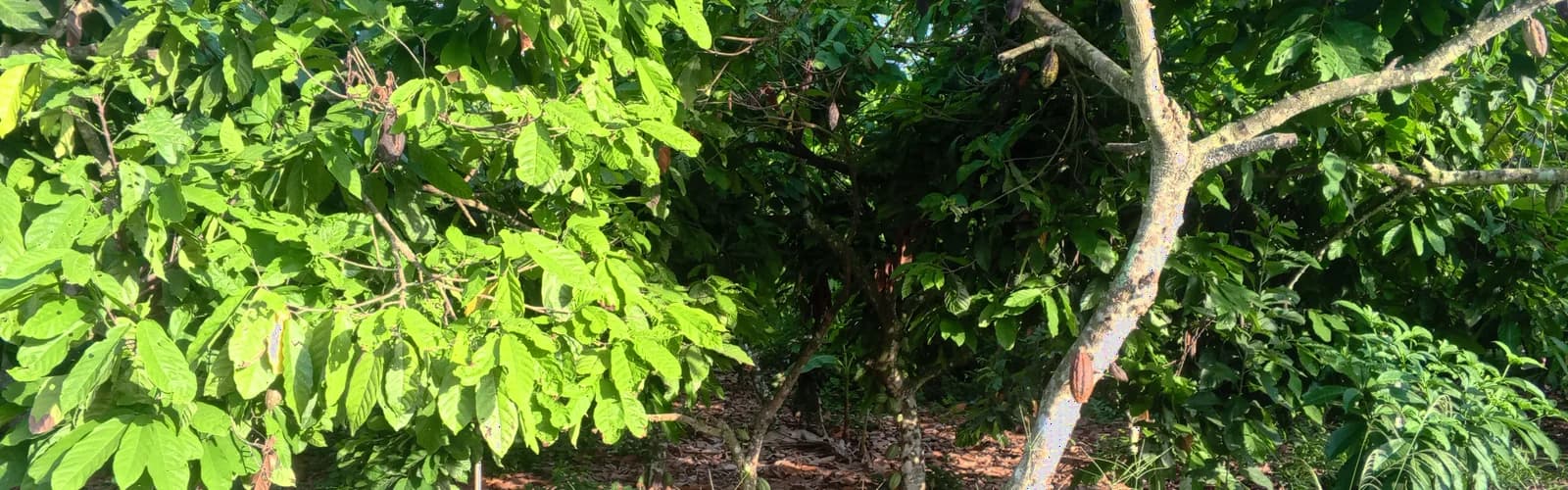
Harvest and post-harvest handling shape bean quality; processing then determines whether the route produces cocoa mass, butter or powder.
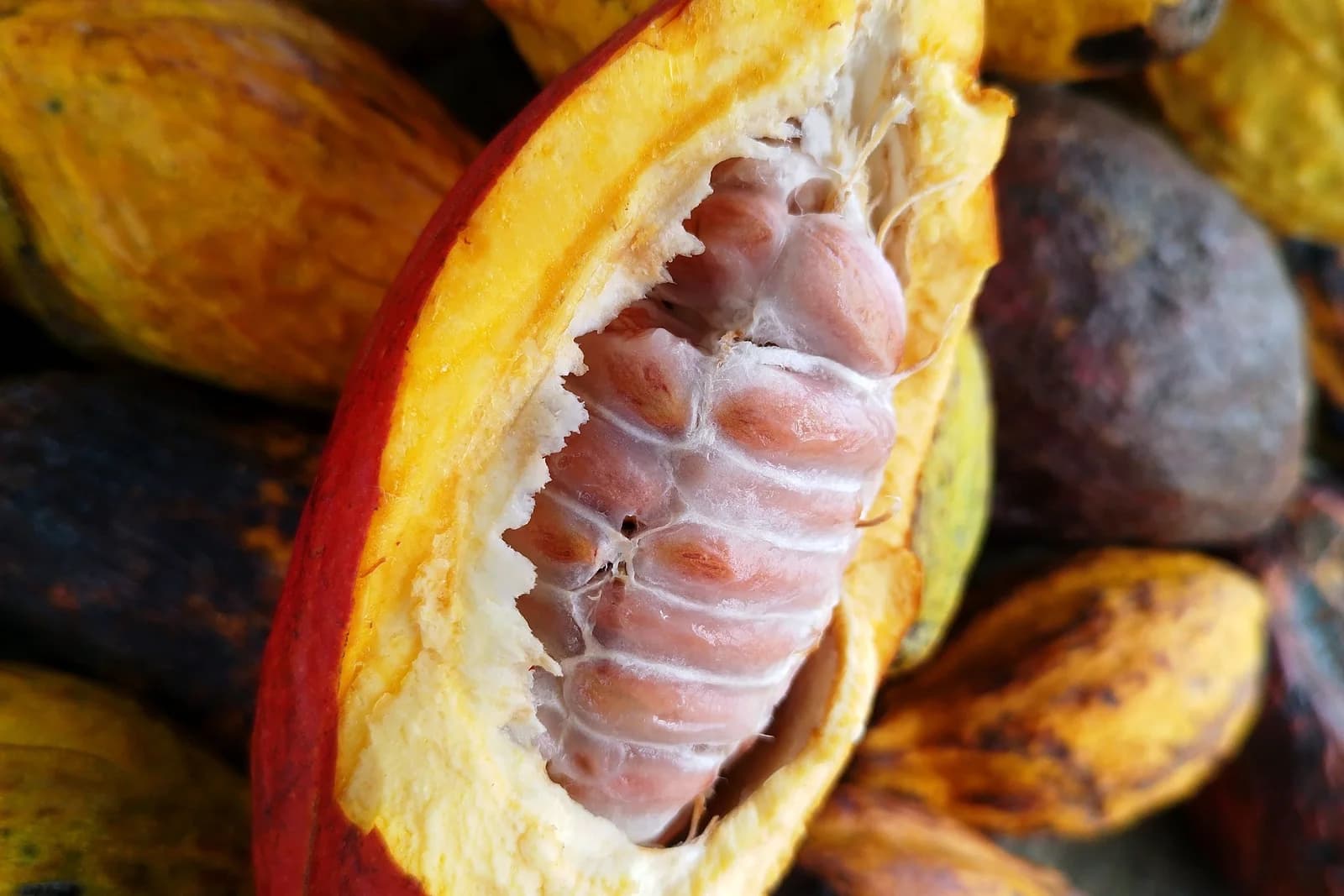
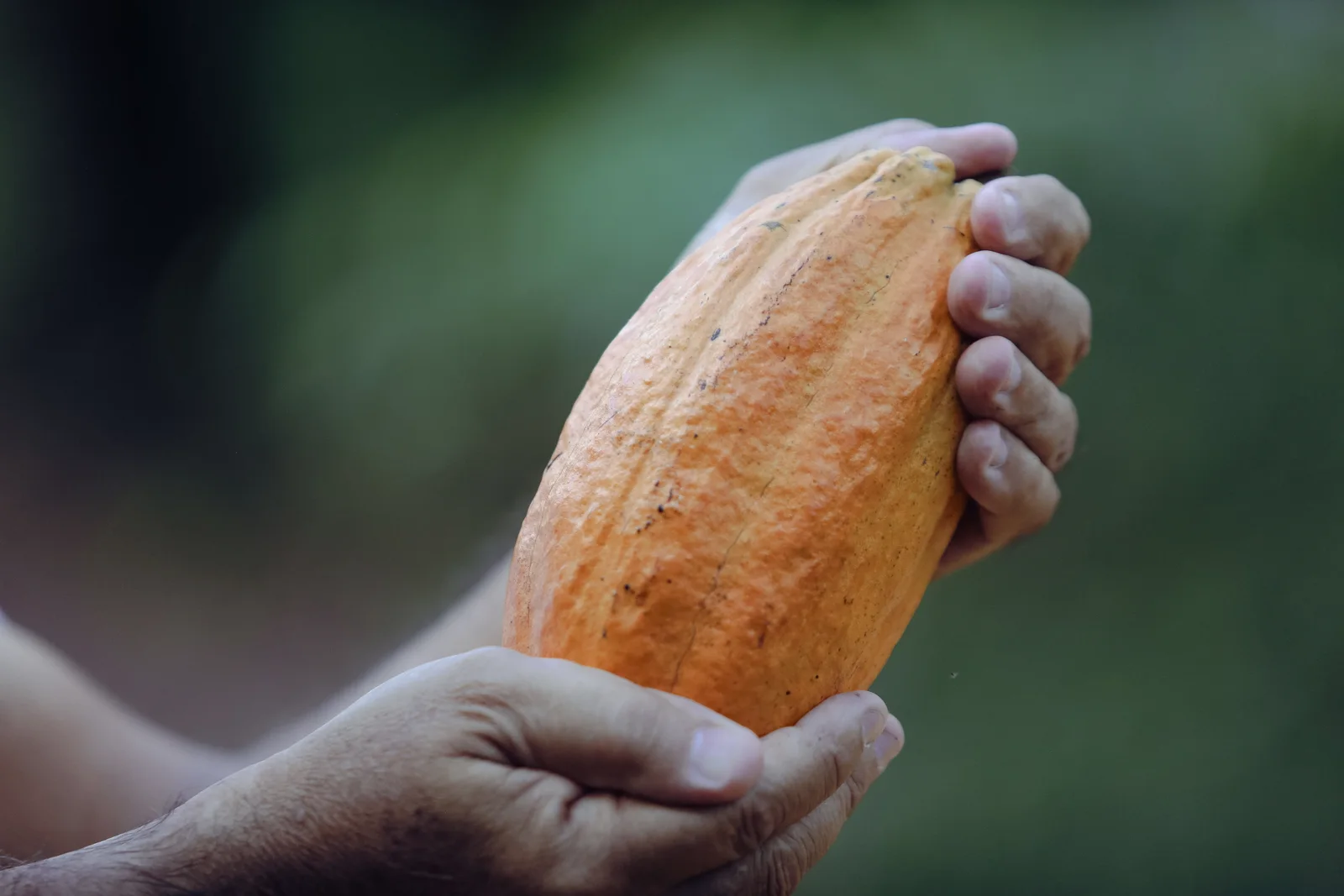
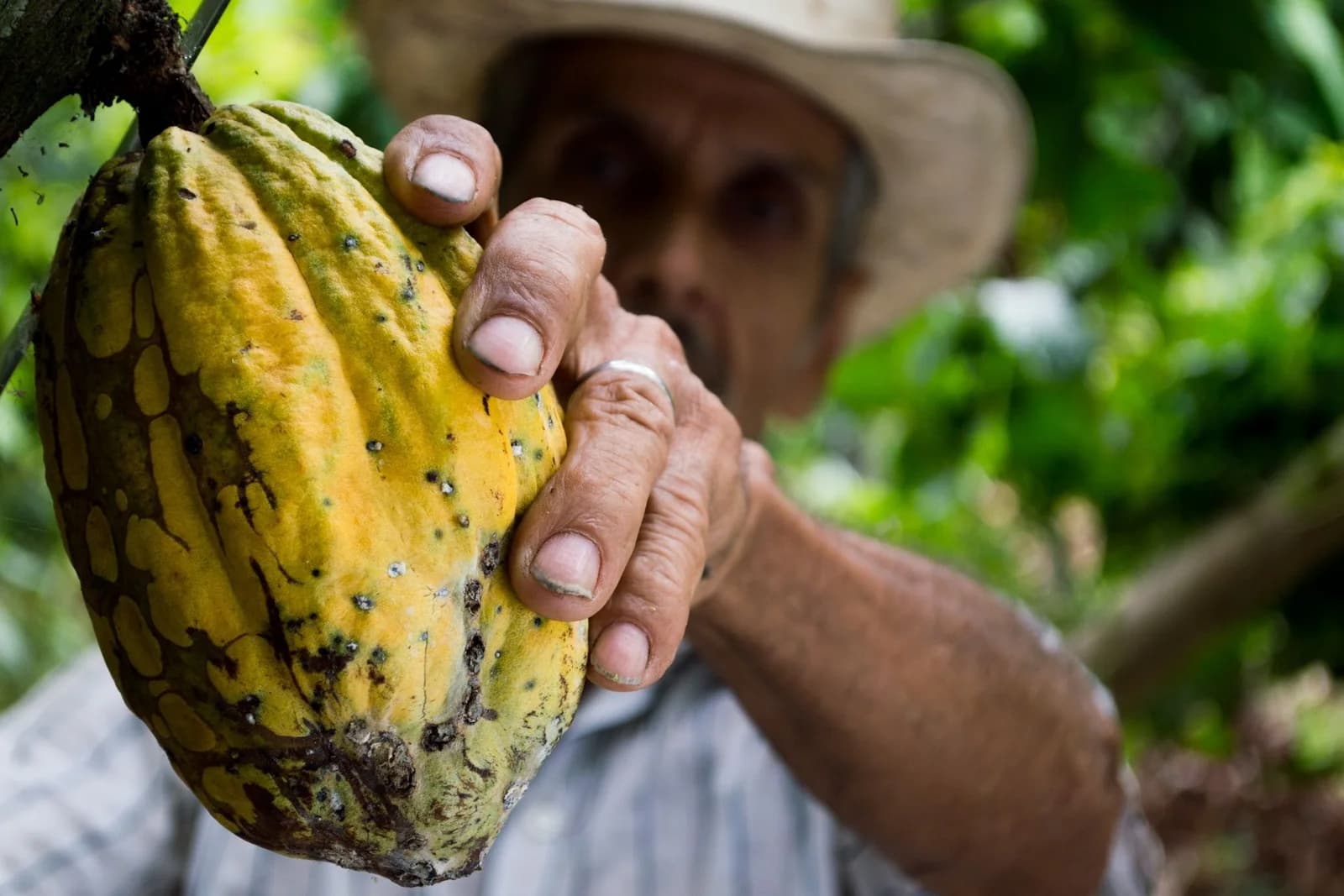
Ripe pods are opened so the beans and surrounding pulp enter fermentation in sound condition. Fruit maturity and prompt handling influence the quality of the raw material.
Fermentation creates flavour precursors that develop during roasting. Duration and control influence acidity, bitterness, aroma and balance.
Beans are dried after fermentation to reduce moisture and support stable storage. Drying that is too fast, slow or uneven can create mould risk or unwanted flavours.
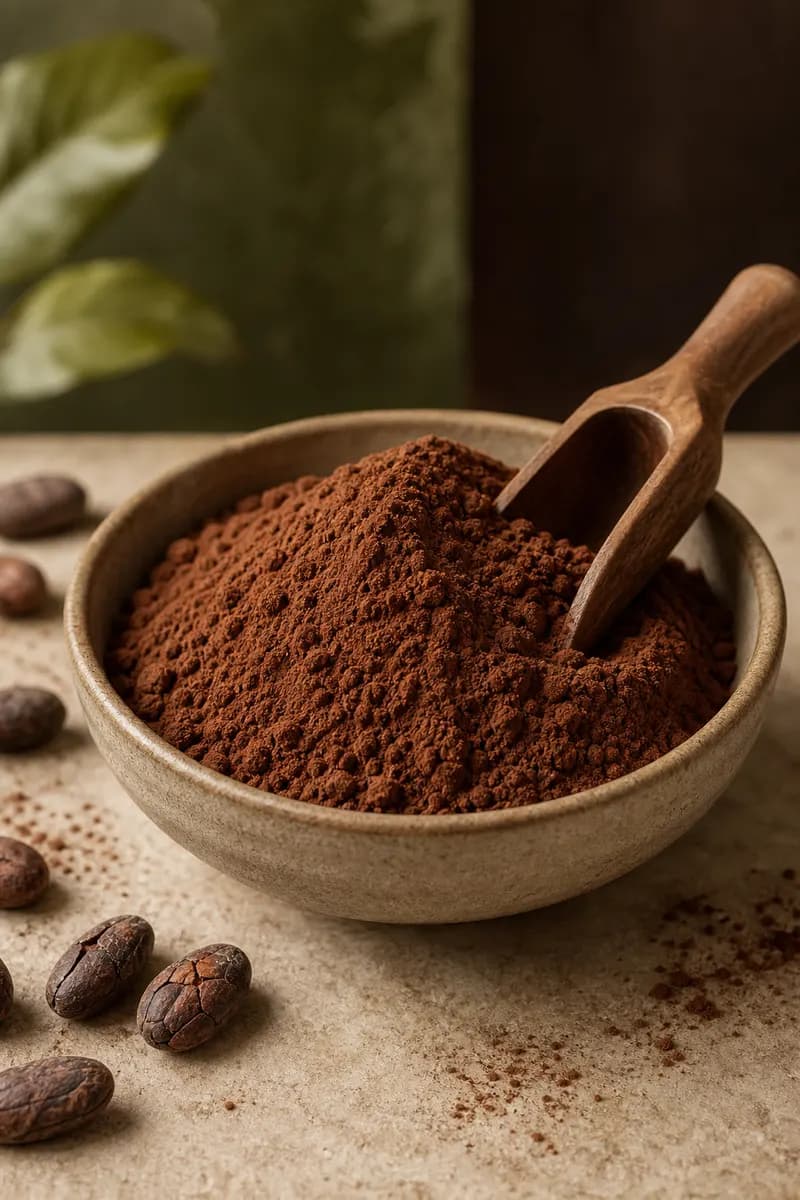
Cleaned and roasted nibs are ground into cocoa mass. Pressing separates cocoa butter from cocoa solids, which are then milled into cocoa powder.
Explore seven West and Central African cocoa origins by available product route, regional context and buying relevance. Country context guides the shortlist; product, processor, crop or production lot, specification, certification and availability remain offer-specific.
Côte d’Ivoire combines a major bean origin with established processing and export activity. Bean, powder, butter and mass routes remain subject to the proposed processor and offer.
Relevant when a programme needs both bean and processed-cocoa options, subject to current processor and exporter confirmation.
Country context is indicative. Product form, supplier or processor, crop or production lot, specification, certification, volume and export readiness are confirmed for the specific offer.

The right cocoa product depends on the finished product the buyer intends to make.
A bakery application may require strong colour retention and a clear cocoa taste. Beverage production may place greater importance on dispersibility. Dairy products, desserts and ice cream may require a rounder flavour and higher fat content. Chocolate production can depend more heavily on origin, roasting profile and cocoa butter characteristics.
We begin by reviewing the application, desired taste, colour target, fat level, processing method and technical limits. The shortlisted option is then matched with the supplier specification, representative sample and commercial route before the offer is confirmed.
Three reference points show the scale, regional concentration and farming structure behind international cocoa supply.
ICCO estimates 2024/25 production at approximately 4.723 million tonnes. Weather, disease and farm investment can move supply sharply between seasons.
Around 70% of world cocoa production comes from West Africa. Côte d’Ivoire, Ghana and Cameroon also account for nearly two-thirds of global cocoa exports.
Cocoa supports around 5 million smallholder farmers worldwide, linking future supply to farmer livelihoods, working conditions, soil health and climate resilience.
Key information on cocoa beans, cocoa powder, cocoa butter and cocoa mass, including processing, origins, certifications and applications.
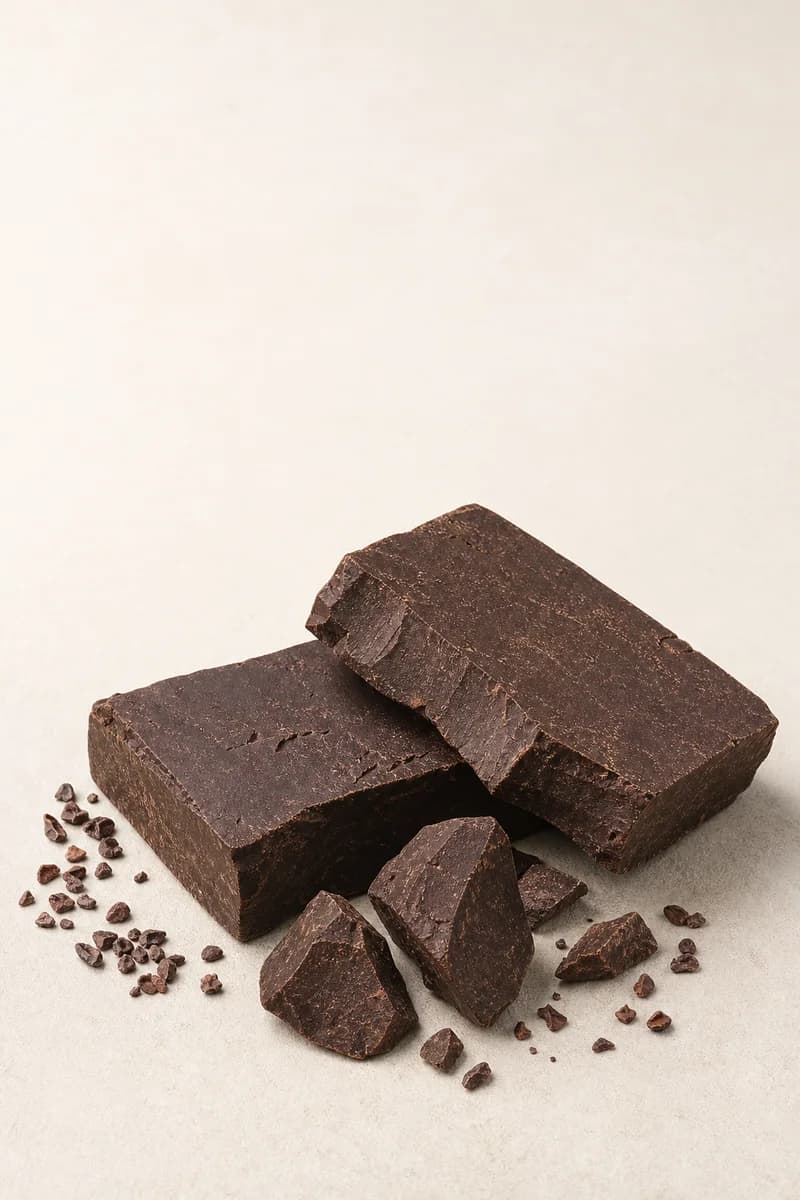
Cocoa beans are the raw agricultural product. Grinding roasted cocoa nibs produces cocoa mass or liquor. Pressing the mass separates cocoa butter from cocoa solids, which are then milled into cocoa powder.
Continue exploring product families that may fit the same sourcing programme.
Share your requirement and A3 will review suitable cocoa products, origins and commercial routes.