Dry dairy ingredients
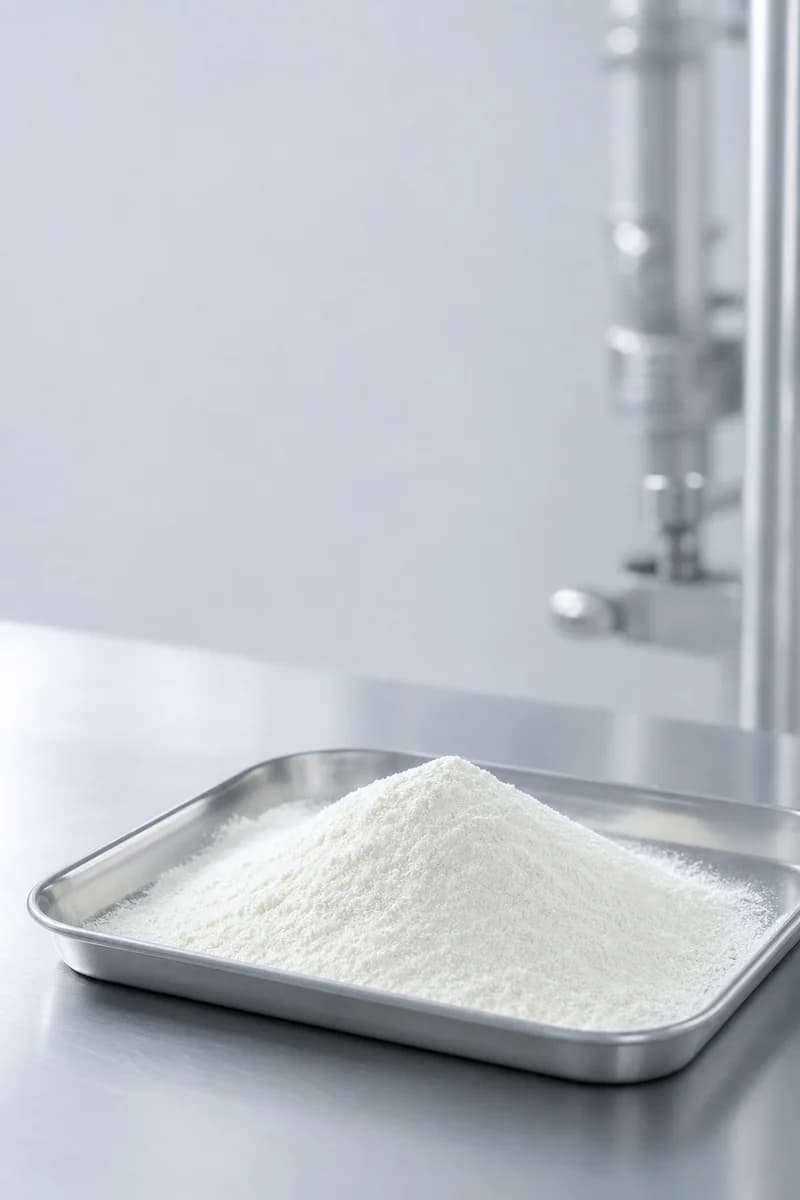
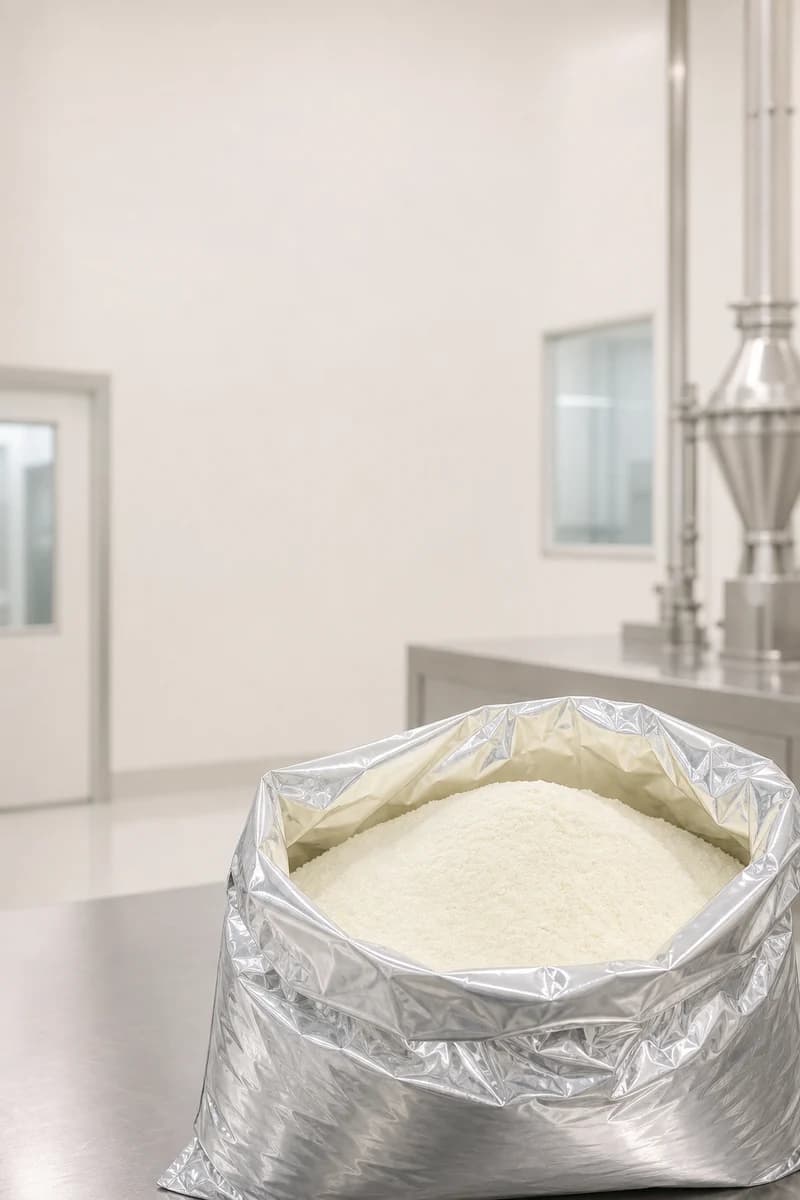
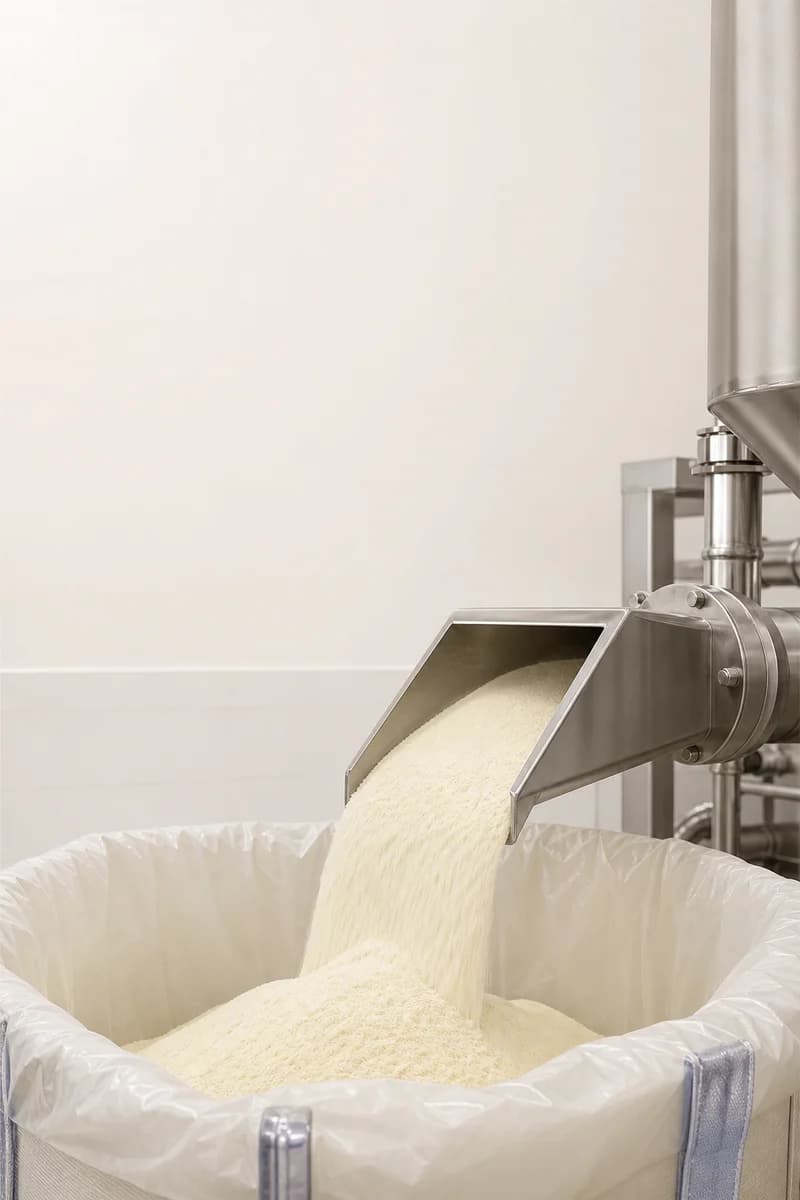
Milk powders, whey, lactose and permeate are reviewed with moisture-barrier packing, stated shelf life, pallet or container planning and the required ambient handling route.
A3 reviews commercial dairy requirements across whole, skimmed, buttermilk, instant and fat-filled powders, whey, lactose, permeate, butter, cheese and UHT milk, aligning product identity, composition, application, packing, temperature route and destination.
Dairy programmes differ by product identity, composition, pack, shelf life and temperature control. A3 separates ambient powders, chilled products and aseptic UHT routes before confirming availability and logistics.
Milk powders, whey, lactose and permeate are reviewed with moisture-barrier packing, stated shelf life, pallet or container planning and the required ambient handling route.

Butter, natural cheese and cheese-like products are reviewed by product-specific temperature range, remaining shelf life, packing and reefer-route requirements.

UHT milk is assessed by unopened shelf life, aseptic carton, case configuration, labelling and destination requirements.
The product name is only the starting point. Composition, functional performance, safety controls and the required handling route must be defined together.
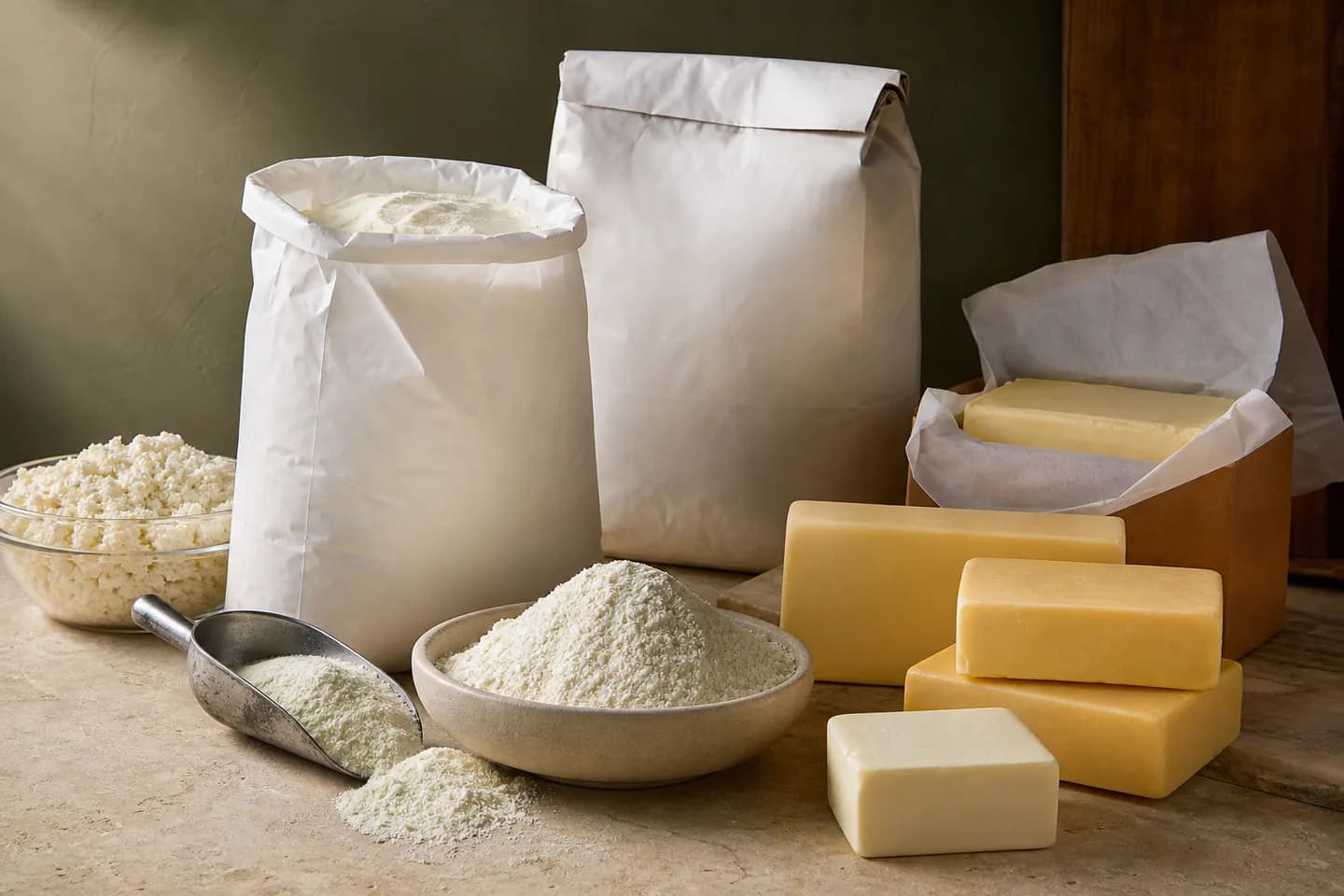
Milk-derived powders, whey, lactose, permeate and vegetable-fat blends have distinct identities. Fat, protein, moisture, lactose and mineral profiles are defined by the supplier specification.
Heat class, instantisation, wettability, dispersibility and solubility are selected for powders. Melt, stretch, browning or slicing performance may be specified for cheese and cheese-like products.
Microbiology, milk-allergen status, food-safety systems, certification scope and infant-nutrition requirements are confirmed for the product, plant and destination.

Powders require moisture protection, butter and cheese require an agreed cold chain, and UHT milk depends on aseptic seal integrity and stated unopened shelf life.

A3 matches product identity, application, composition and functional requirements with the proposed producer and item specification. The commercial offer identifies the exact dairy route being considered rather than relying on a broad category name.
A representative sample, technical data sheet, COA, microbiology and required certification or plant-eligibility records are connected to the proposed lot or production batch when that review is available. Any infant-nutrition route remains subject to producer, ingredient, programme and destination approval.
Volume, packing, shelf life, temperature regime, Incoterm, destination, agreed document set, release basis and shipment window are confirmed in the commercial offer.
Last reviewed 6 August 2026. The OECD-FAO 2026–2035 outlook provides dated market context and is not a live price or availability indicator.
World milk production reached 1,005 million tonnes in 2025, an increase of 2.1% from the prior year.
Around half of global whole and skimmed milk powder production is traded internationally, supporting longer-distance supply.
World dairy trade is projected to reach 13.7 million tonnes by 2035, 11% above the outlook base period.
Helpful information on milk powder types, heat classes, instant products, dairy specifications, certification and commercial packing.
Whole milk powder retains a substantial proportion of milk fat, while skimmed milk powder contains very little fat. Their composition gives them different roles in beverages, bakery, confectionery and dairy formulations.
Continue exploring product families that may fit the same sourcing programme.
Share your requirement and A3 will review suitable dairy products, specifications and ambient, chilled or aseptic routes.