Dried-fruit crop routes
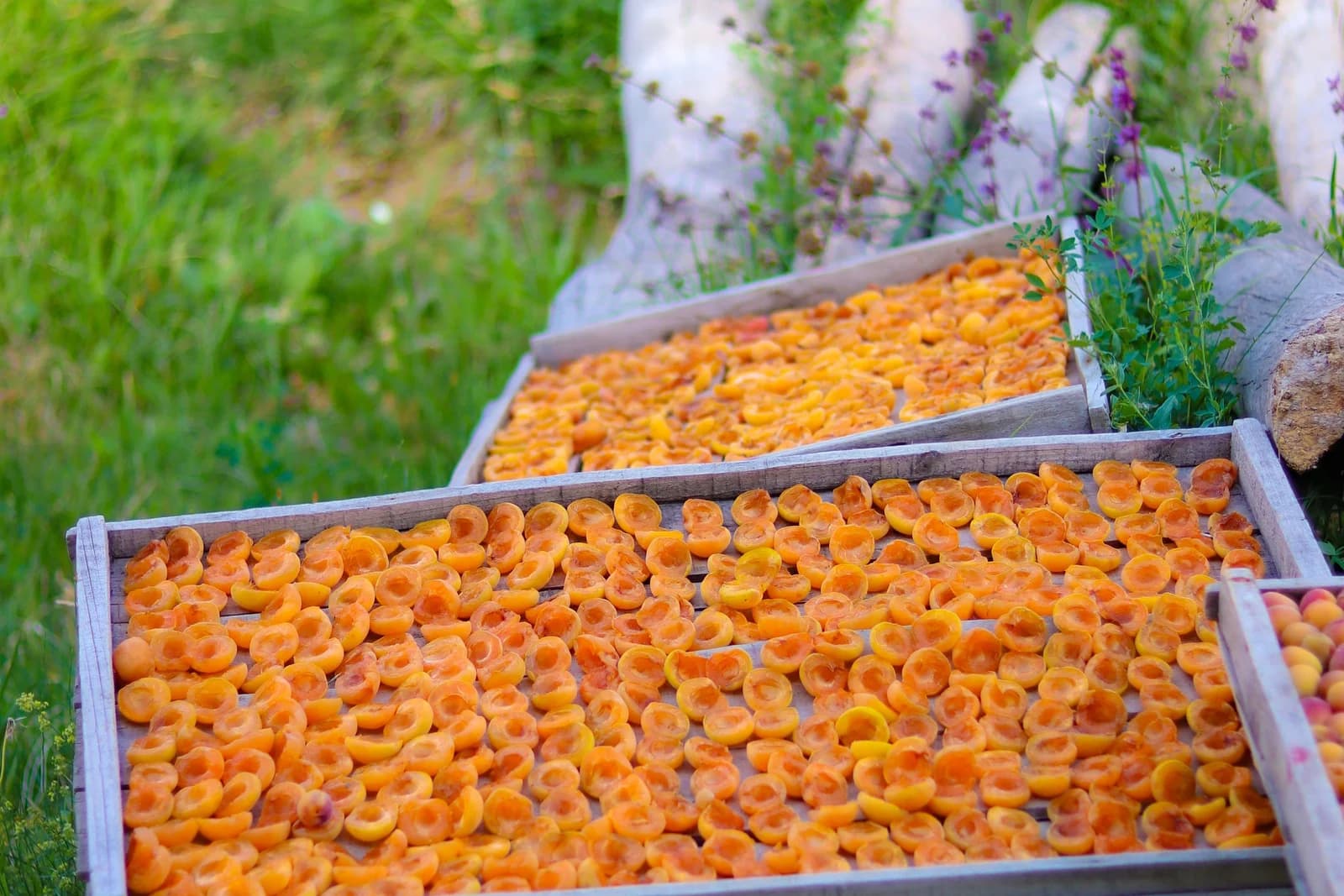
Raisins, sultanas, apricots, dates and figs are reviewed by crop, variety, treatment, moisture, size or grade and current lot availability.
A3 reviews commercial requirements across raisins and sultanas, dried apricots, dates, dried figs, in-shell pistachios, pistachio kernels and walnuts, aligning crop, variety, treatment, grade, food-safety controls, packing and shipment route.
Programmes differ by crop, variety, product form, treatment, grade, processing capability and pack route. A3 reviews these variables together before confirming availability and logistics.
Raisins, sultanas, apricots, dates and figs are reviewed by crop, variety, treatment, moisture, size or grade and current lot availability.
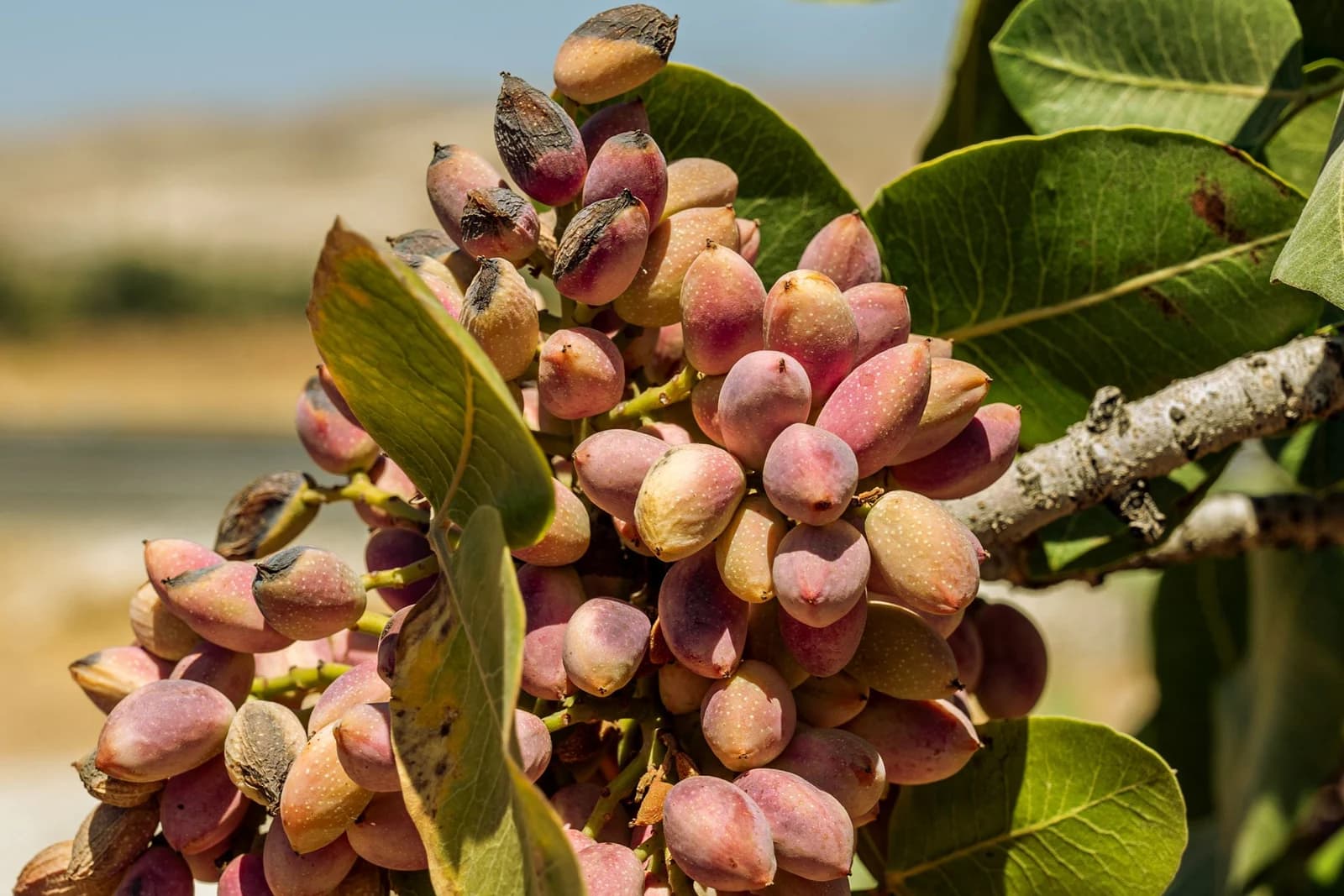
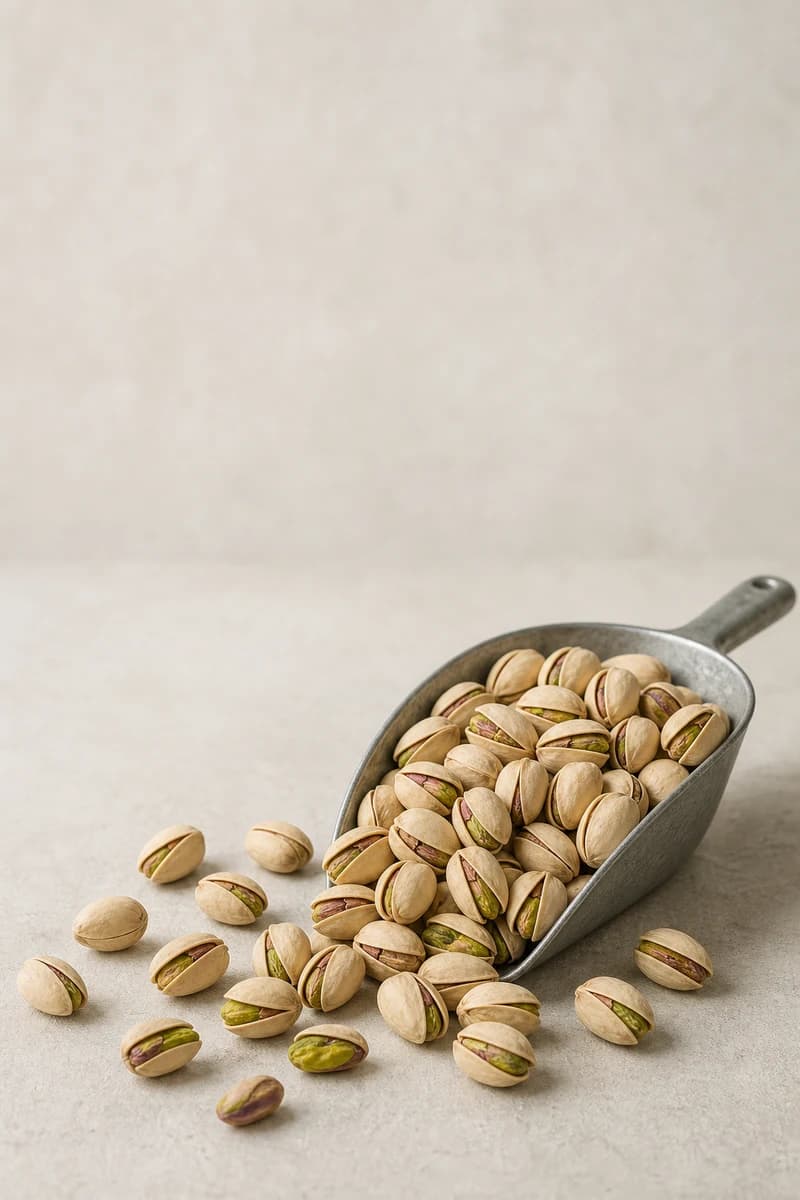
Pistachios and walnuts are separated by in-shell or kernel form, size, shell opening or kernel fraction, colour, treatment and lot condition.
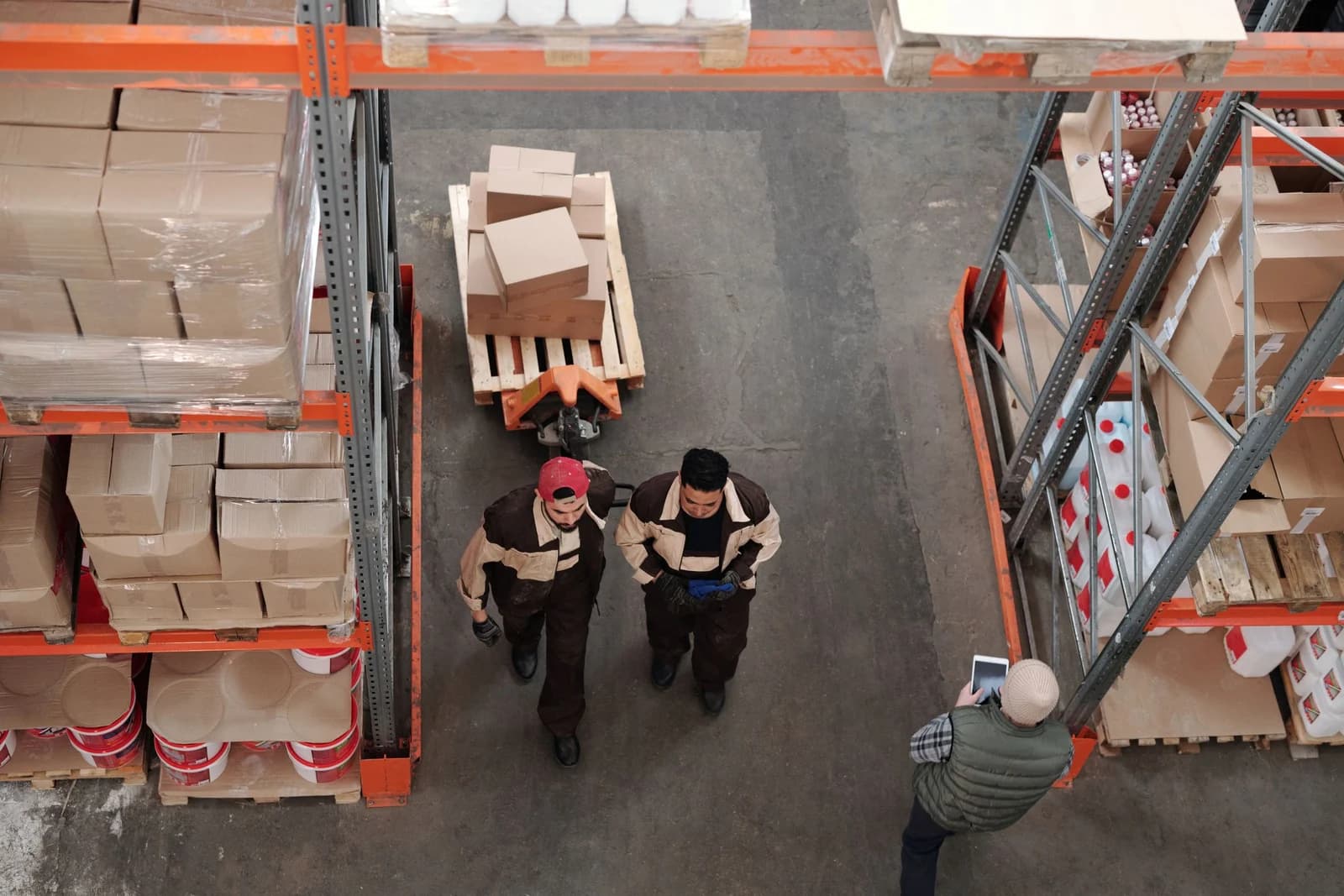
Diced fruit, pastes, syrups, powders, kernel pieces and retail or industrial formats are confirmed by processor capability, allergen controls, packing and production availability.
The product name is only the starting point. Crop, variety, form, treatment, grade, food-safety controls and storage route must be defined together.
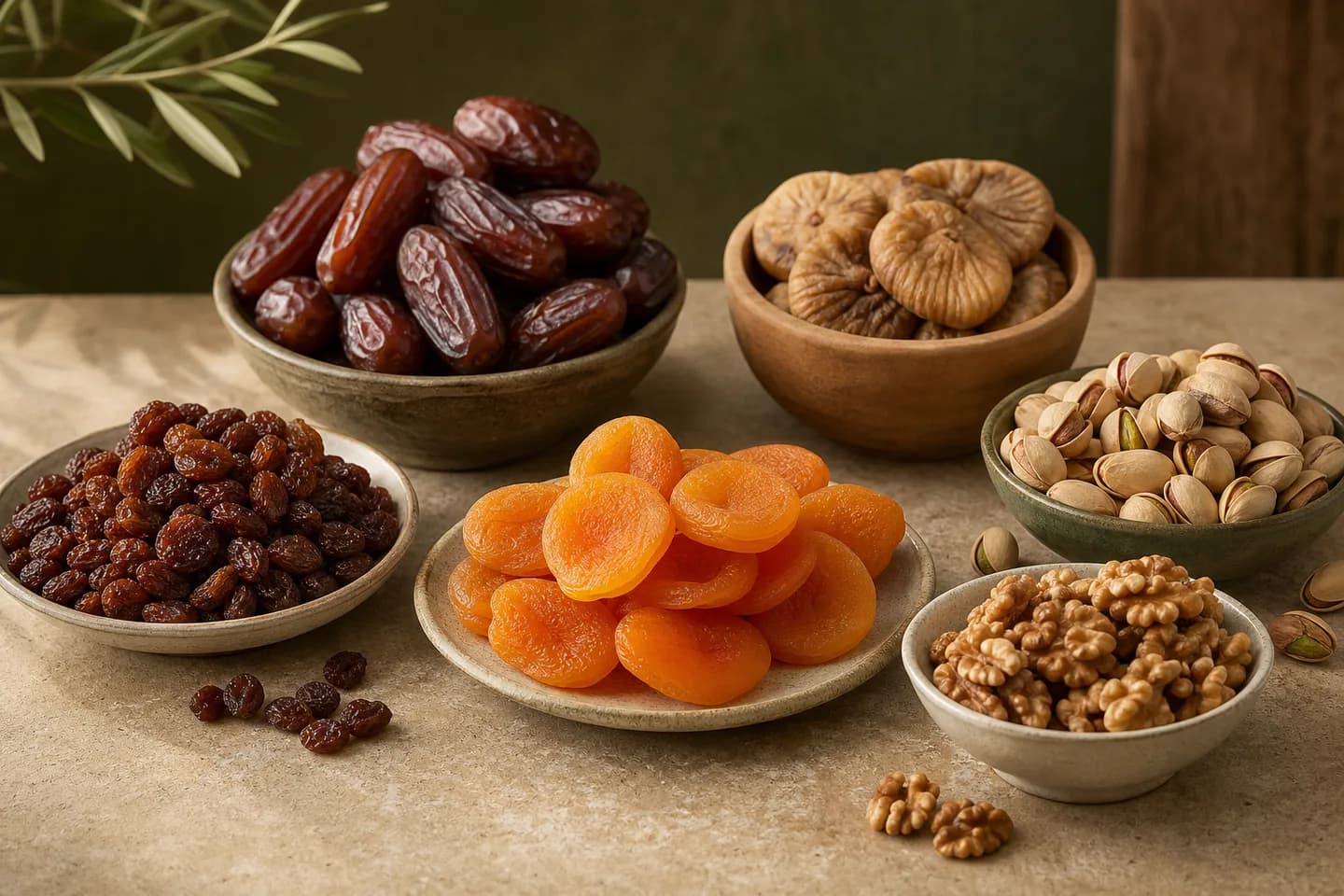
Variety or commercial type, crop year and form are tied to the proposed lot. Whole, diced or paste, in-shell or kernel and raw or roasted products are not treated as interchangeable.
Size or count, colour, moisture, texture, shell opening, kernel fraction and defects are selected by product. Natural, sulphured, oiled or roasted treatment is stated where relevant to the offered lot.
Aflatoxin, ochratoxin A, pesticide residues, microbiology, infestation, foreign material, sulphites and tree-nut allergen requirements are confirmed for the product and destination. Limits are not assumed to be identical across categories or markets.
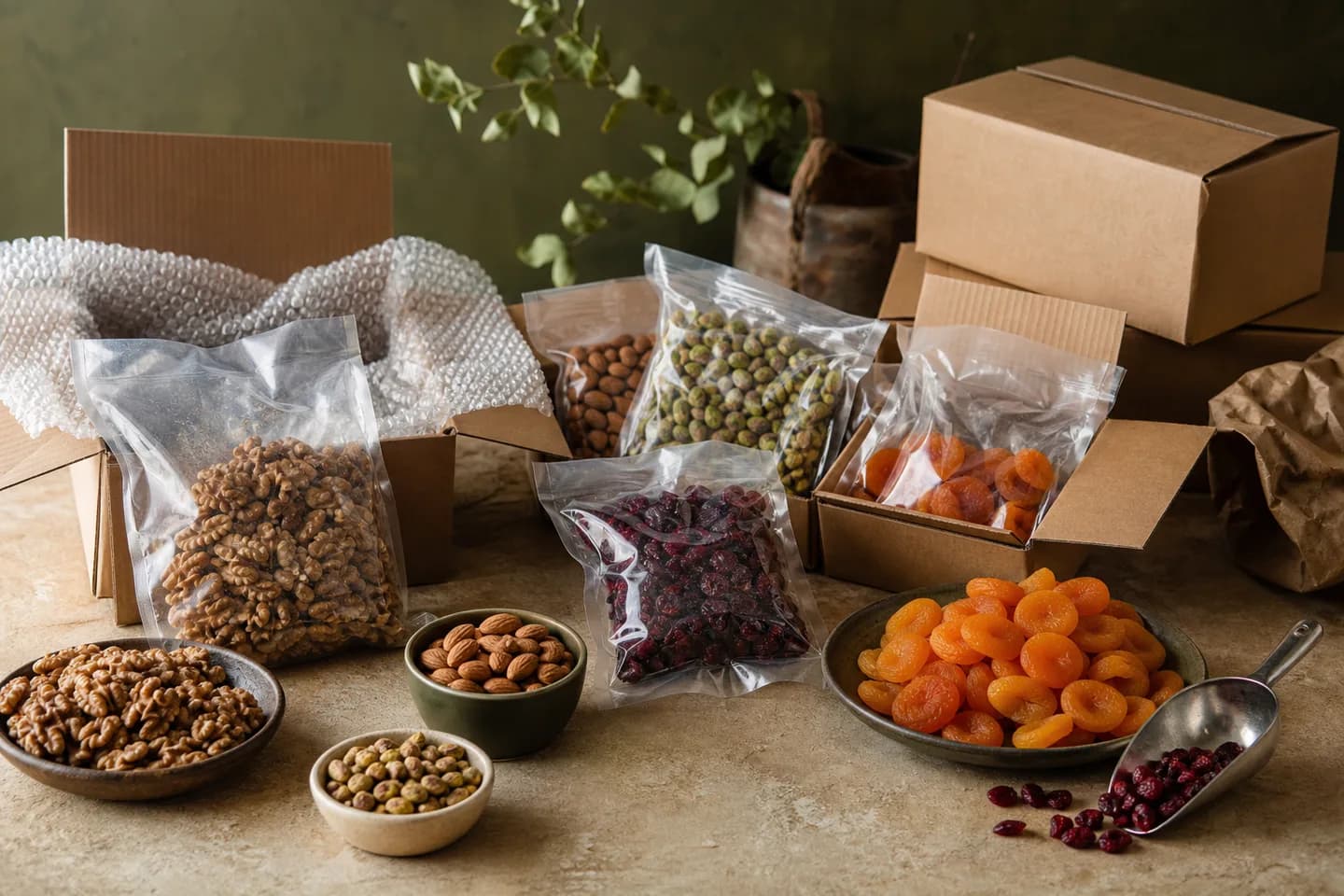
Cartons, food-grade liners, sacks, vacuum or protective-atmosphere formats are used only where they suit the product and producer capability. Moisture, oxygen, odour, pest and storage controls and remaining shelf life are confirmed for the proposed route.

A3 matches the product identity, crop, variety, form, treatment and grade with the proposed lot or processing batch.
A representative sample, supplier specification, recent COA and any required test or inspection records are connected to the relevant lot and sampling reference where that review is included.
Volume, packing, remaining shelf life, storage route, Incoterm, destination, labels, agreed document set and shipment window are confirmed in the commercial offer.
Last reviewed 6 August 2026. The INC 2025 Global Statistical Review provides dated 2025/26 estimates and 2024 consumption context; these are not live price, crop, stock or A3 availability indicators.
INC estimates 5.93 million metric tonnes of tree nut production in 2025/26 on a kernel basis, except pistachios reported in-shell.
INC estimates world dried fruit production at 3.14 million metric tonnes for the 2025/26 season.
Dried grapes represented 39% and dates 37% of world dried-fruit consumption in 2024, a combined 76% share.
Information on dried fruit and nut grades, crop characteristics, sizing, treatments, food safety testing and commercial supply.
They can be specified by commercial type, crop, berry size, colour, moisture, treatment and intended use. The exact grade should be linked to the supplier specification and current lot.
Continue exploring product families that may fit the same sourcing programme.
Share your requirement and A3 will review suitable dried fruit or nut products, crop or lot options and packing routes.