Sauces & emulsified products
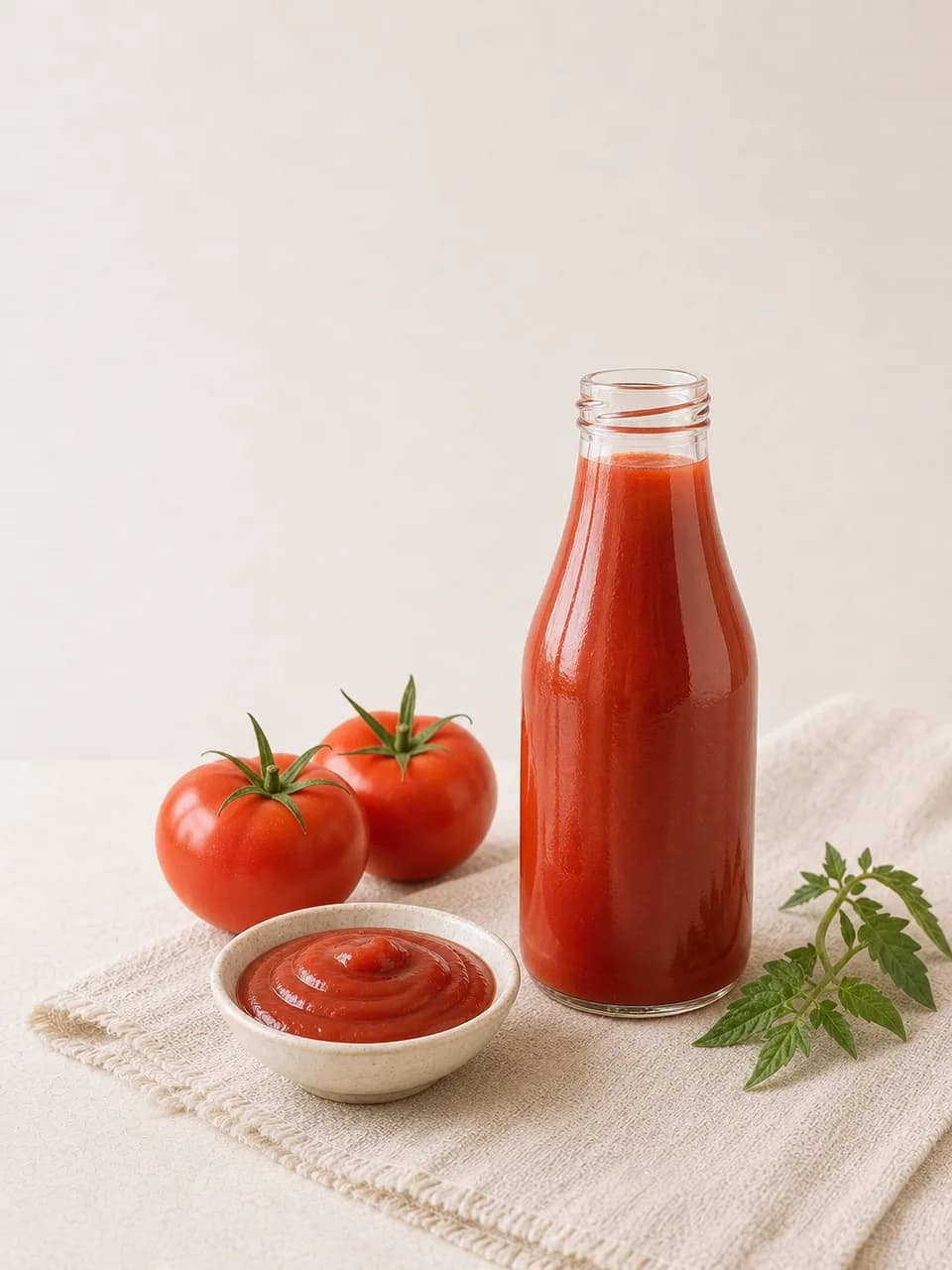
Ketchup and mayonnaise routes are reviewed by recipe, stability, processing method, filling format and current production availability.
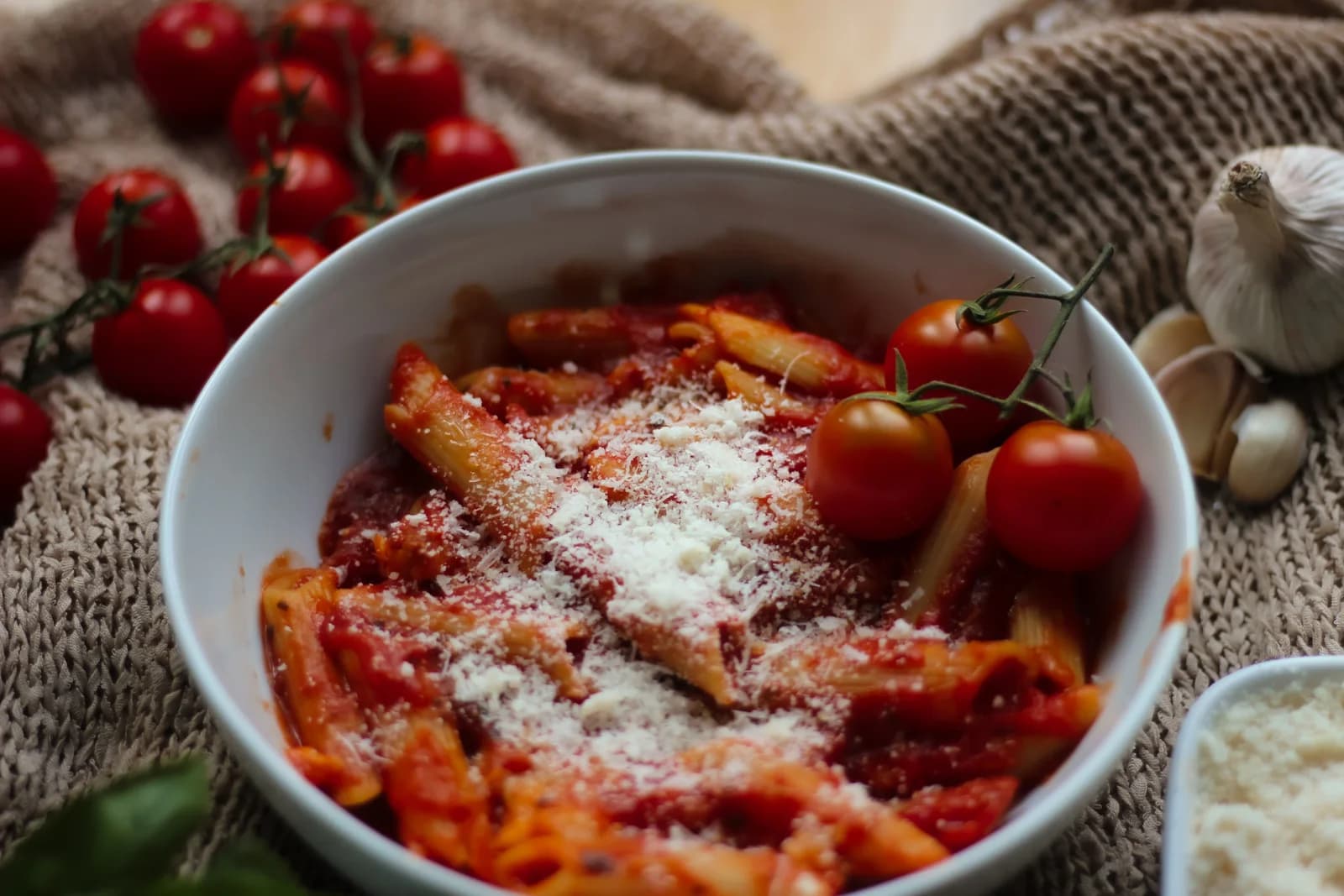
A3 reviews commercial requirements across tomato ketchup, mayonnaise, canned foods, dry pasta and tomato paste, aligning product identity or recipe, performance specification, pack format, remaining shelf life, destination labelling and shipment route.
Shelf-stable programmes differ by product system, processing method, pack format, channel and destination requirements. A3 reviews these variables together before confirming production and logistics.
Ketchup and mayonnaise routes are reviewed by recipe, stability, processing method, filling format and current production availability.
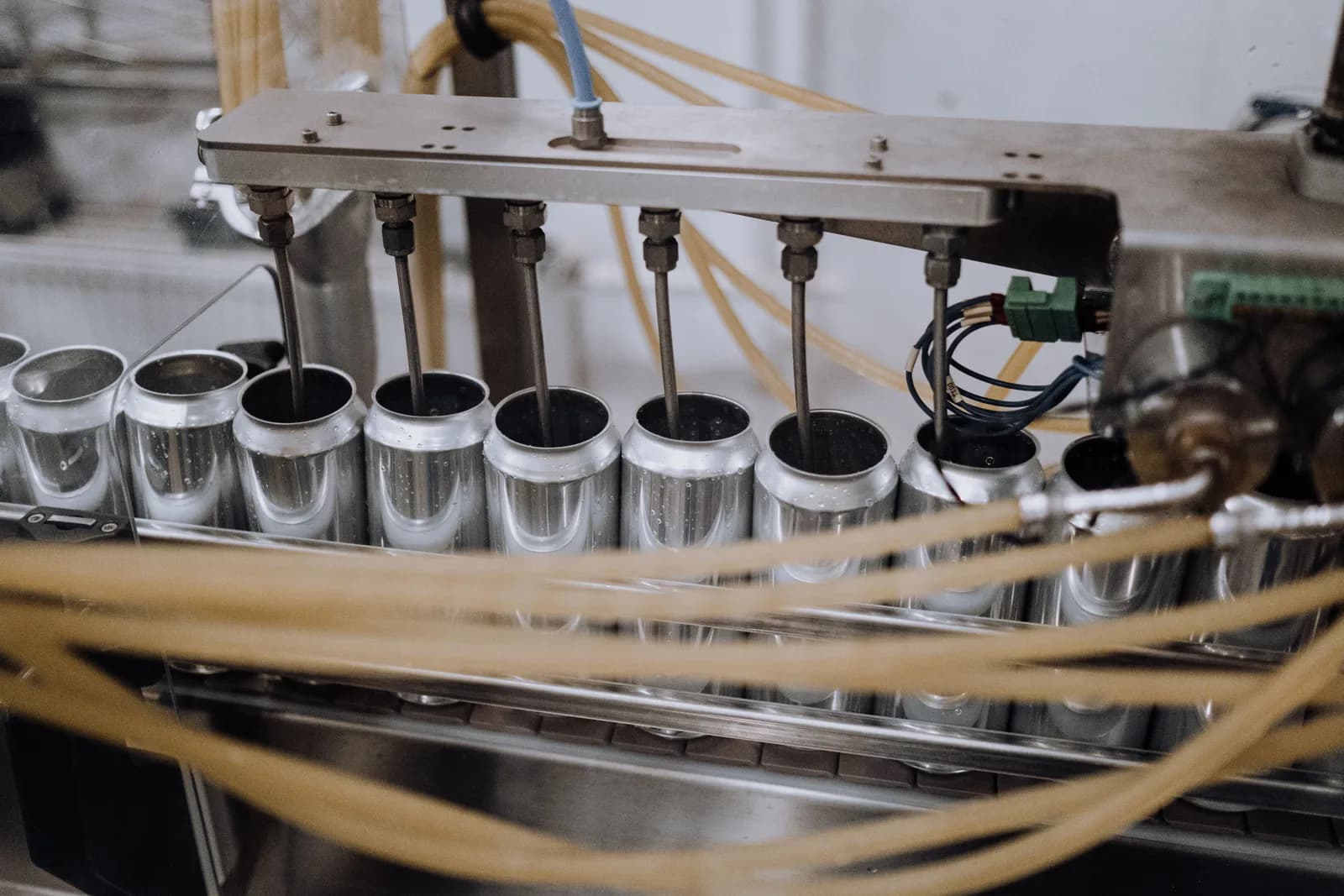
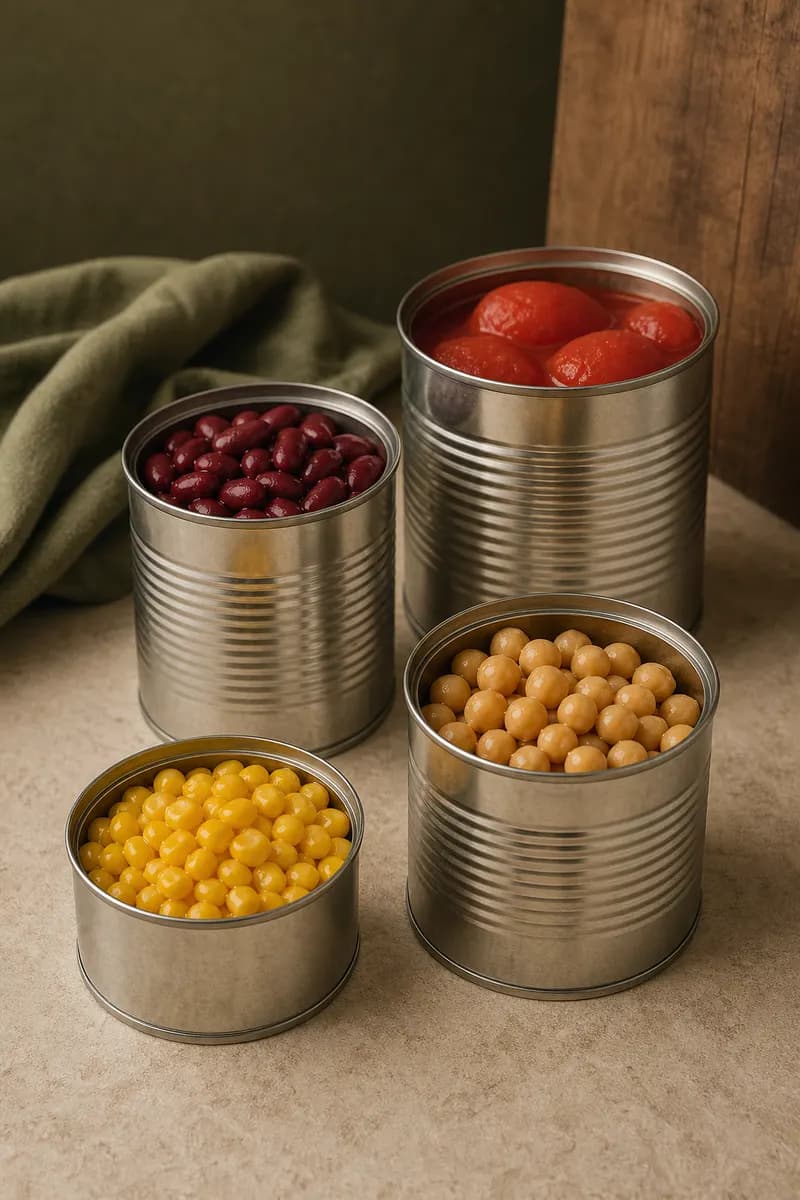
Product identity, preparation, packing medium, net and drained weight, thermal process, pack format and destination requirements are confirmed for the offer.
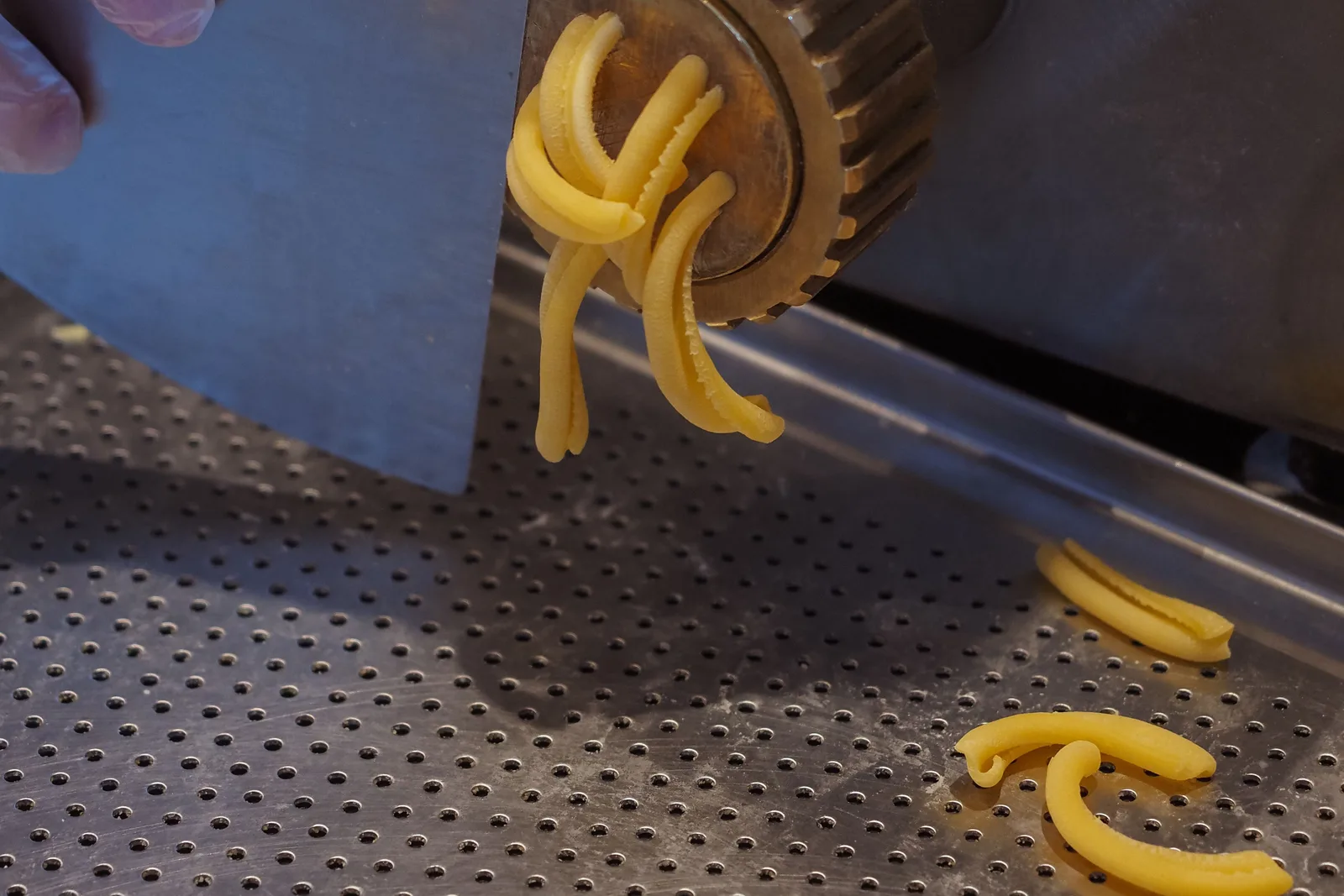
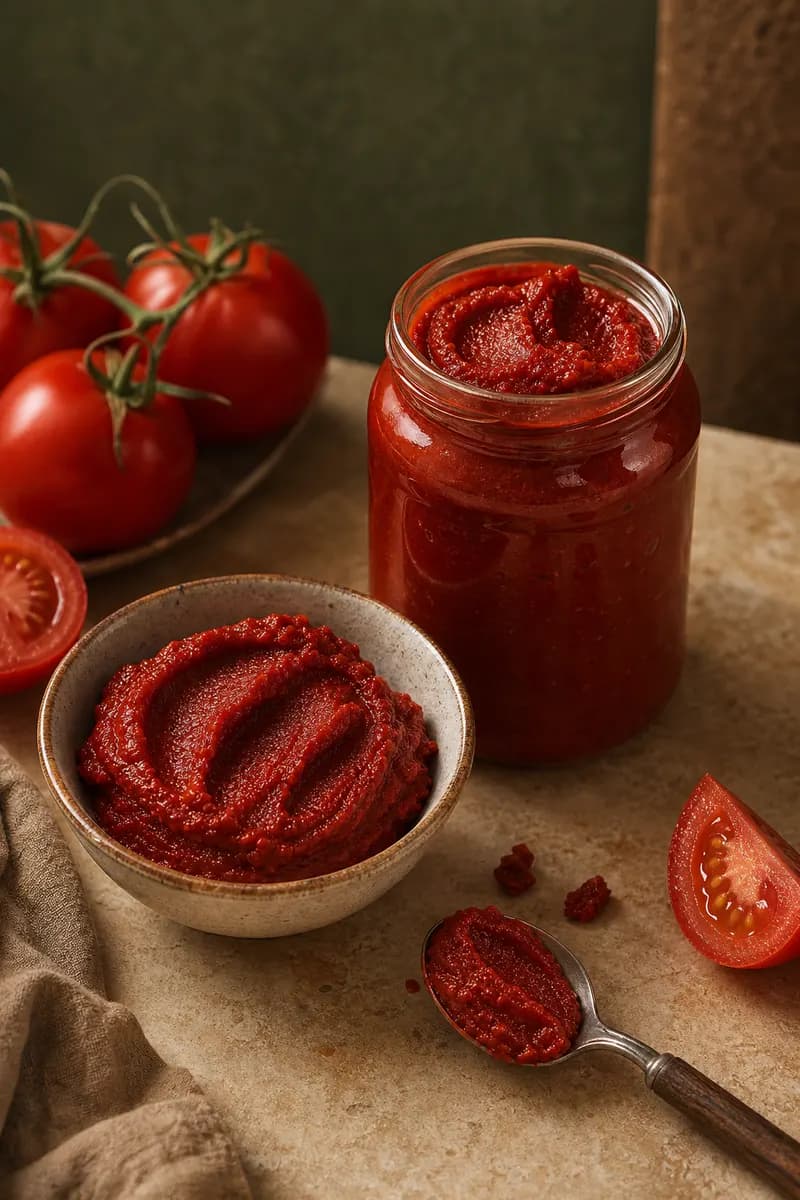
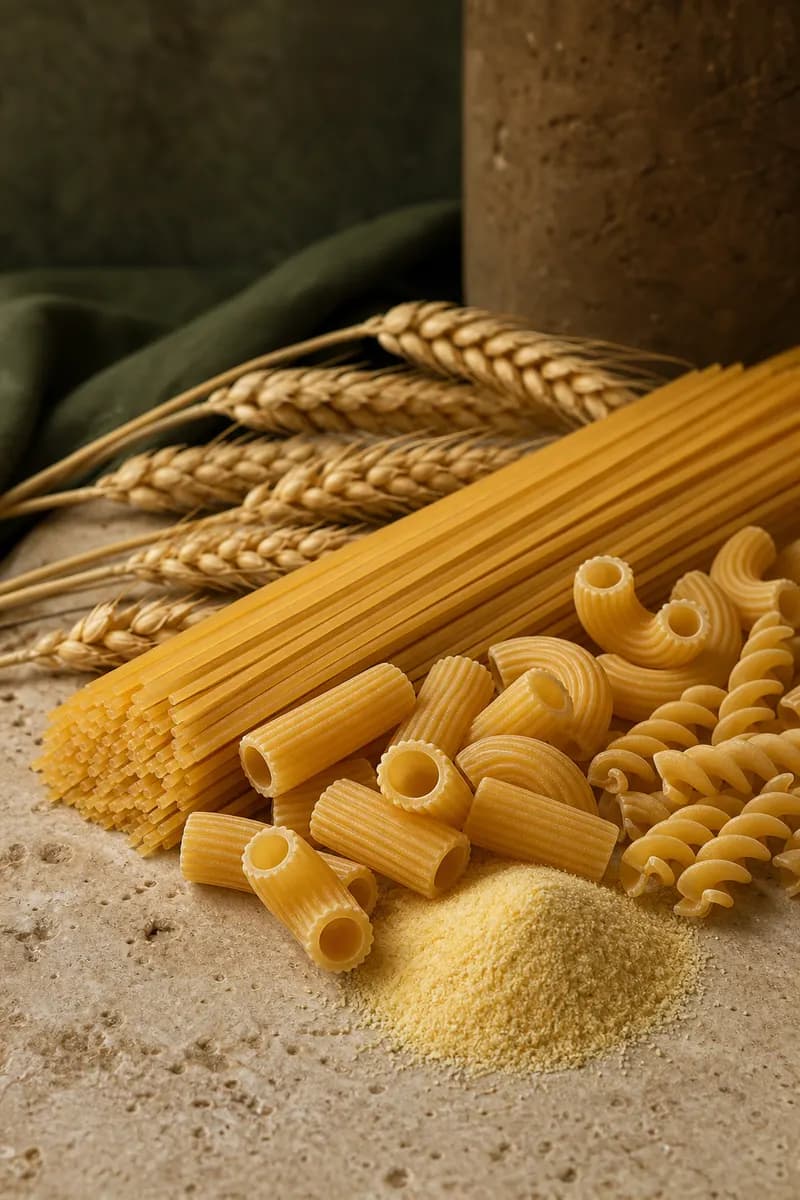
Pasta and tomato concentrate routes are separated by raw-material basis, specification, production format, packing and current commercial availability.
The product name is only the starting point. Identity, recipe, processing method, performance, safety controls and pack route must be defined together.
A sauce recipe, canned-food identity, pasta formulation or tomato-concentrate category must be tied to the proposed producer item. Ingredients, preparation and processing status are not assumed from the product name alone.
Brix, pH, viscosity, emulsion stability, net or drained weight and cooking or filling performance are selected by product. Results are read with the supplier specification, test method and intended application.
Microbiology, additives, allergens, residues, labelling and plant or certification requirements are confirmed for the product and destination. No certification or destination eligibility is assumed across every producer item.
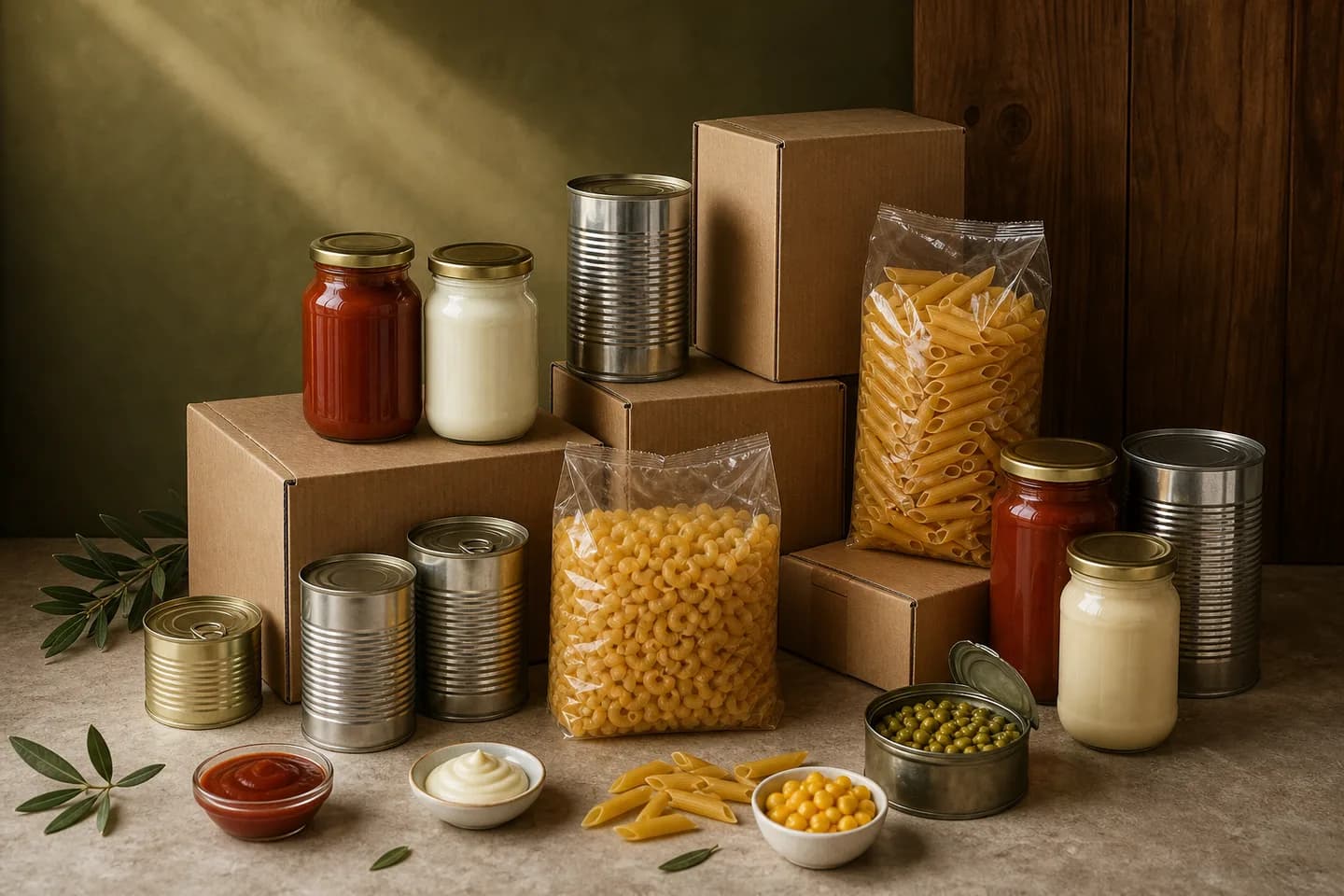
Retail, foodservice and industrial packs require an agreed material, closure, unit size, case and pallet plan. Production date, remaining shelf life, ambient handling and destination labelling are then aligned with the proposed shipment route.

A3 matches the product identity, recipe, performance and pack requirements with the proposed producer item and specification.
A representative sample, technical data sheet, recent COA, ingredient and allergen information and any required plant or certification records are connected to the proposed product and production batch where that review is available.
Volume, production slot, pack, case and pallet plan, remaining shelf life, labels, Incoterm, destination, agreed document set and shipment window are confirmed in the commercial offer.
Last reviewed 6 August 2026. These dated industry estimates provide category context and are not live price, stock, production-slot or A3 availability indicators.
WPTC's 3 July 2026 update placed the world processing-tomato estimate back below 40 million tonnes.
The International Pasta Organisation reports 17.6 million tonnes of world pasta production in 2025.
Fortune Business Insights, a third-party market-research source, estimates the global canned-food market at US$135.41 billion in 2025.
Practical information on shelf-stable foods, private-label production, product specifications, packing formats and commercial supply.
Shelf-stable products are processed and packed so they can remain stable unopened under the stated ambient storage conditions. The producer's shelf life and storage instructions still apply to each product.

Continue exploring product families that may fit the same sourcing programme.
Share your requirement and A3 will review suitable shelf-stable products, specifications and packing routes.