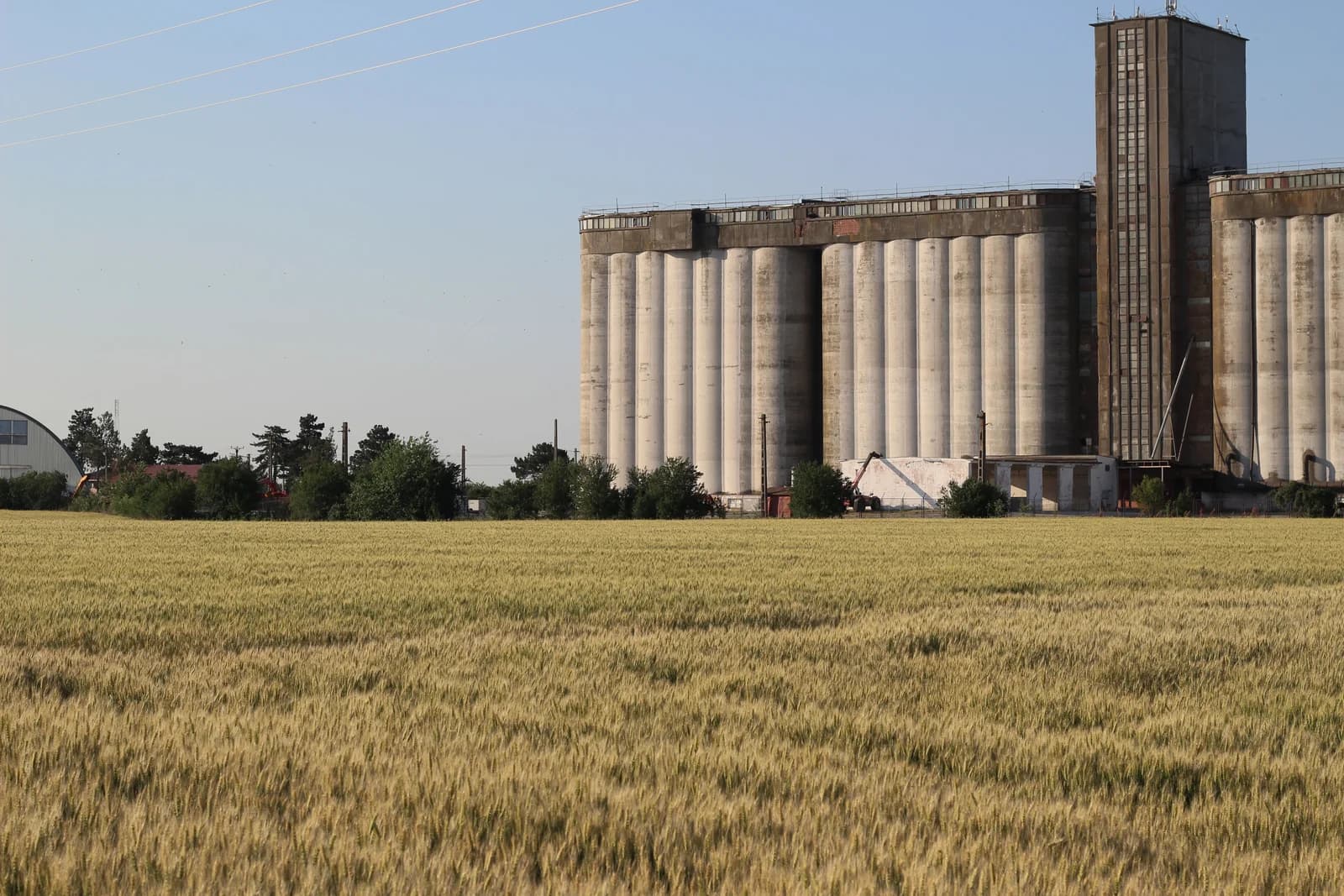
Native starches & plant proteins
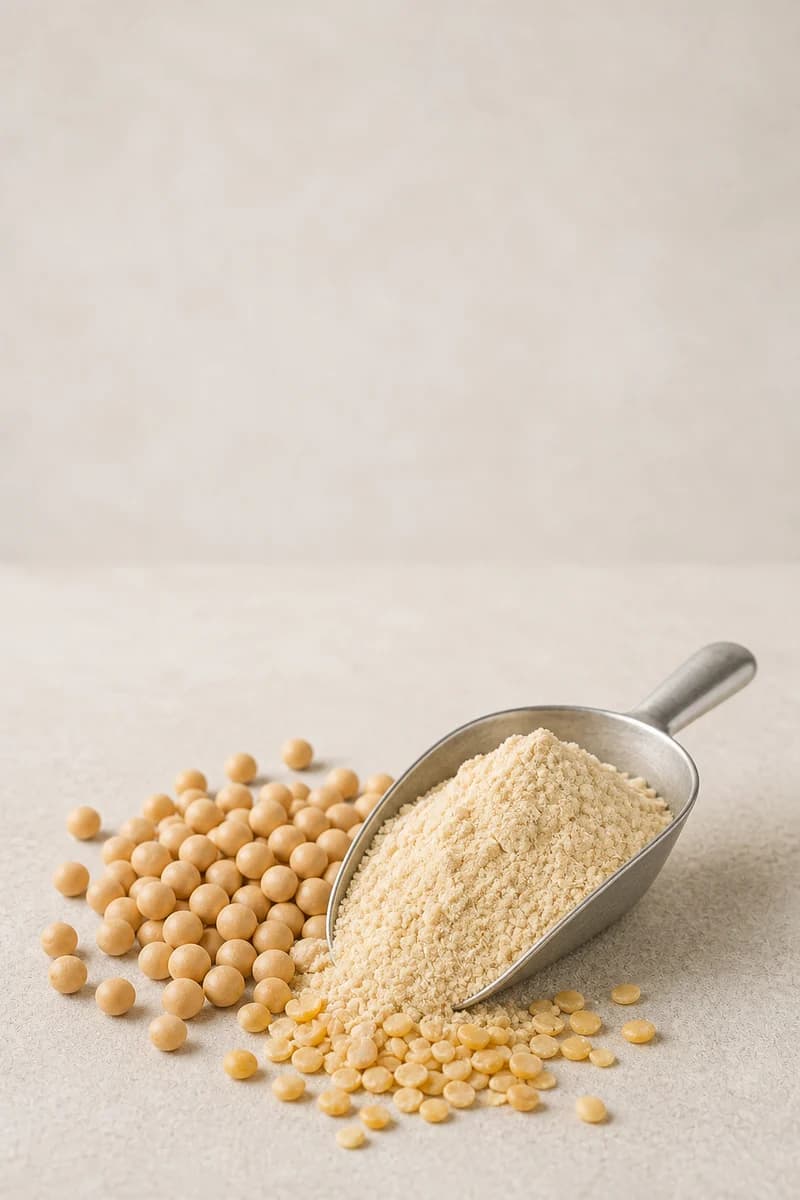
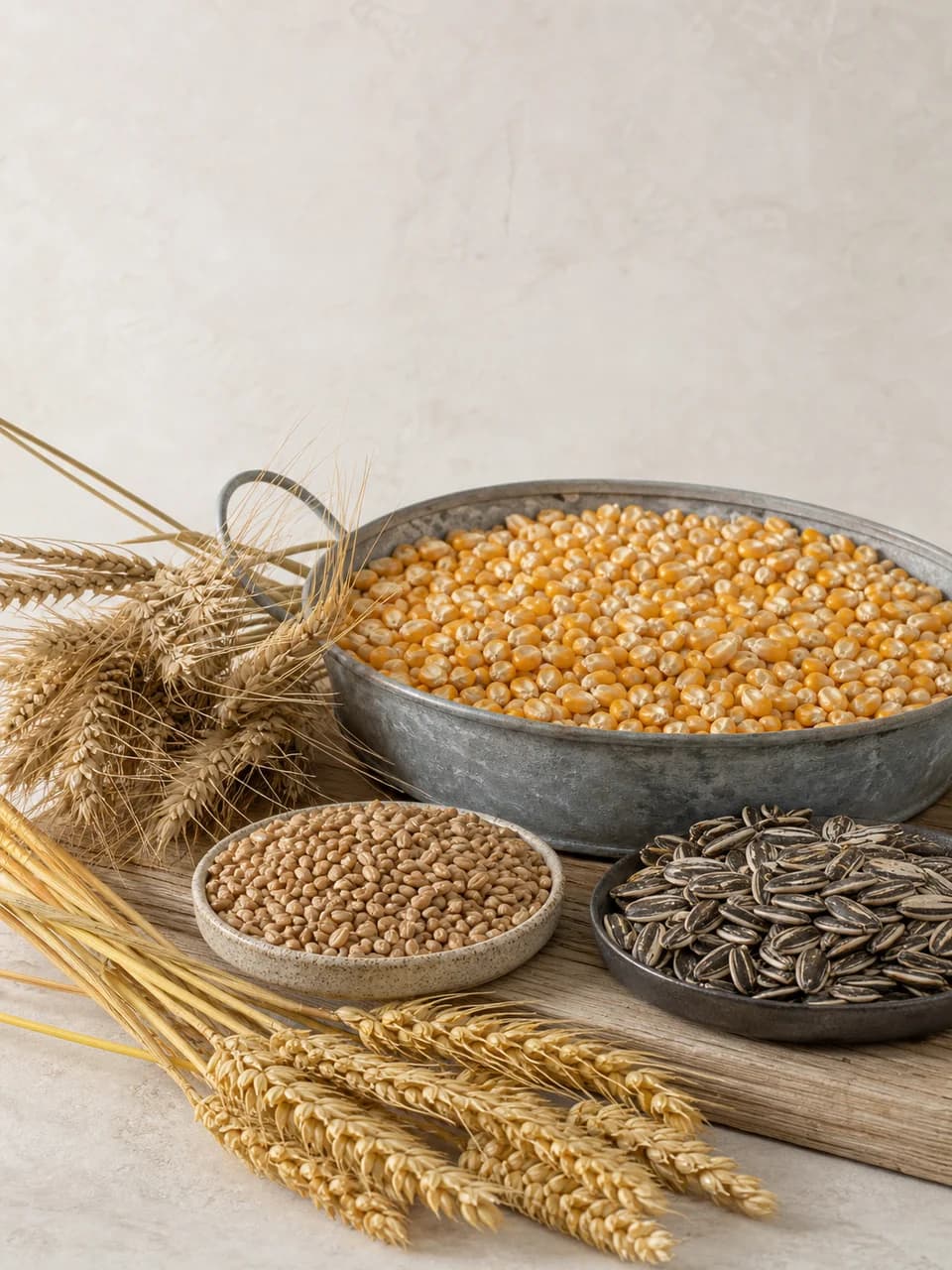
Corn, tapioca, wheat, potato and rice starches, vital wheat gluten and pea protein are reviewed by source, ingredient identity, application, specification and current production availability.
A3 reviews commercial requirements across native and modified starches, plant proteins, glucose and fructose ingredients, polyols, allulose and steviol glycosides, aligning source, identity, functional performance, regulatory market, packing and shipment route.
Ingredient programmes differ by botanical source, processing route, functional target, commercial form and regulatory market. A3 reviews these variables together before confirming availability and logistics.
Corn, tapioca, wheat, potato and rice starches, vital wheat gluten and pea protein are reviewed by source, ingredient identity, application, specification and current production availability.
Waxy or modified ingredients are confirmed by processing method, functional target, heat, shear and pH conditions, additive identity, labelling and destination authorisation.

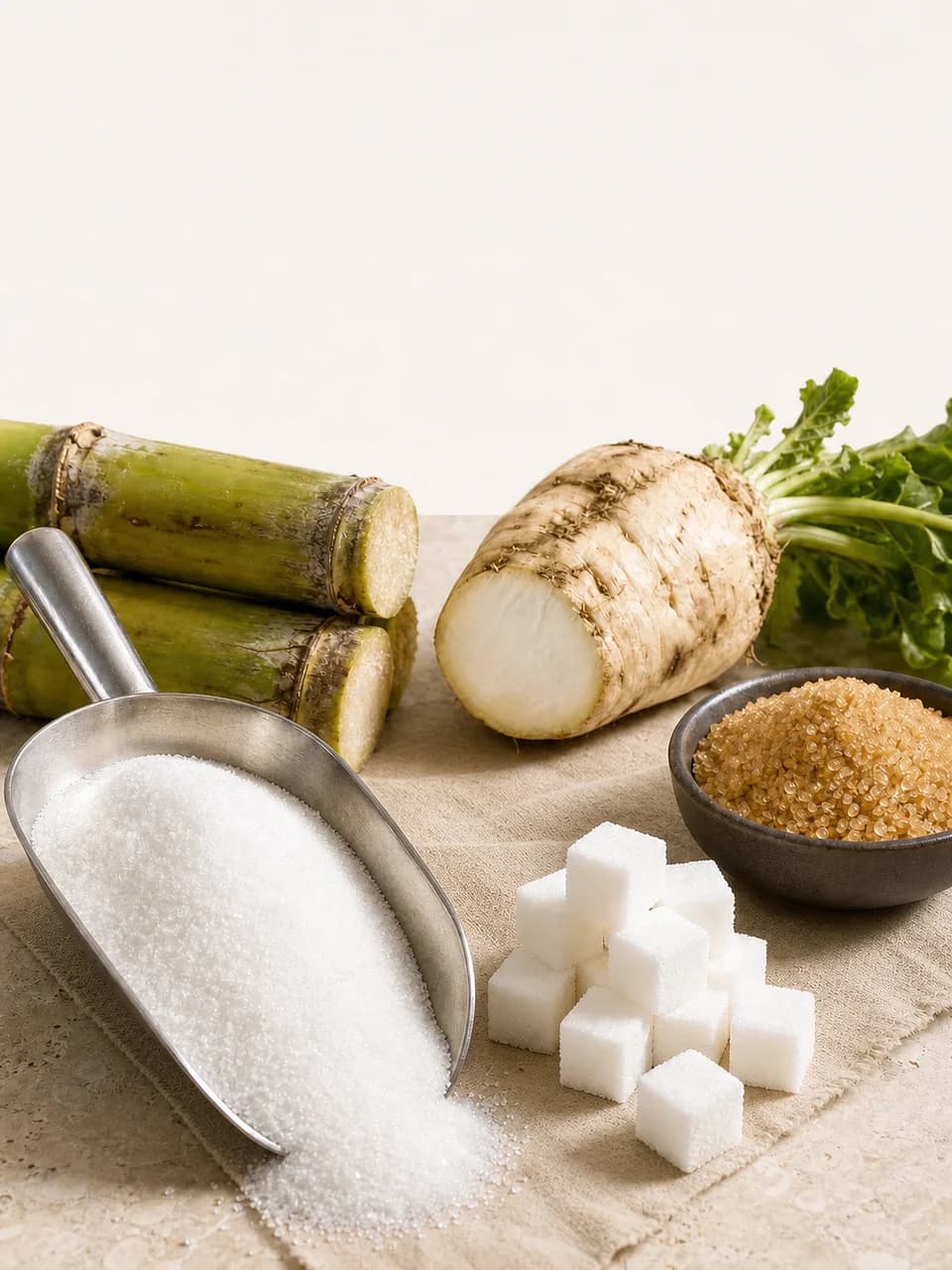
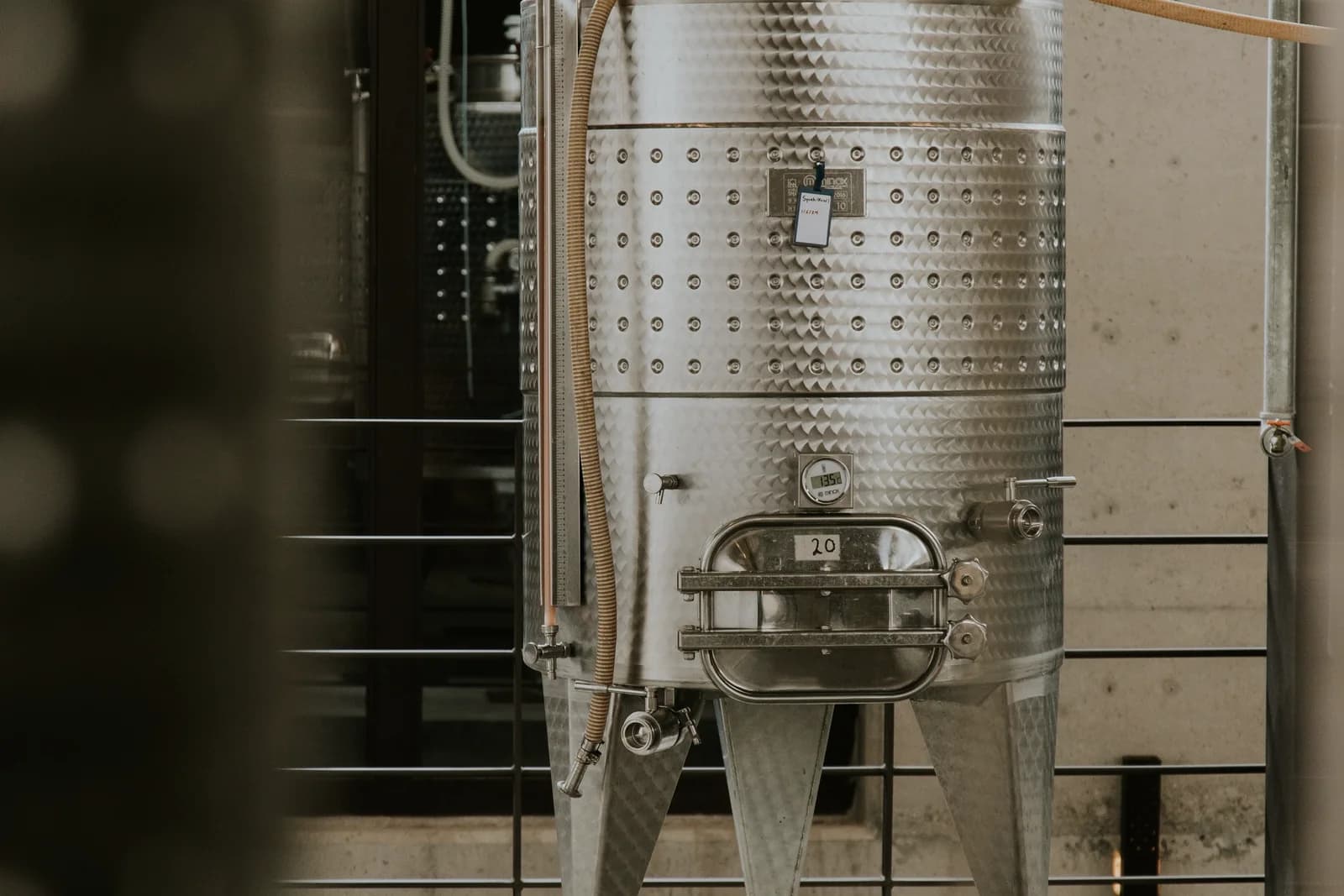
Liquid and powdered ingredients are separated by carbohydrate or polyol profile, assay or dry solids, application, packing or tank model and regulatory market.
The ingredient name is only the starting point. Source, identity, functional performance, composition, regulatory status and handling route must be defined together.
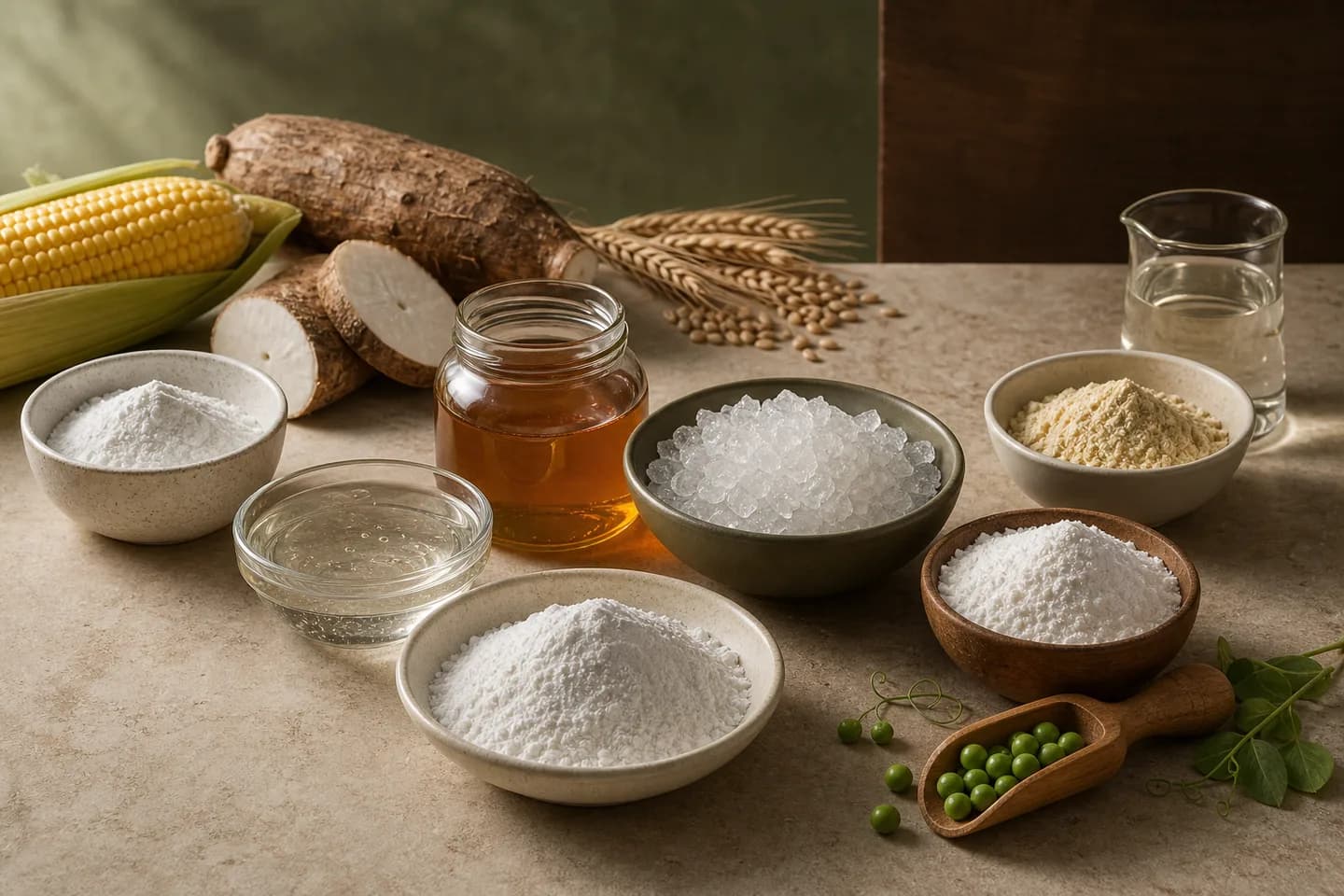
Native, waxy, modified, hydrolysed, protein, polyol and high-intensity sweetener identities are not treated as interchangeable. Botanical source and processing route are tied to the proposed supplier item.
Starches are reviewed by gelatinisation, viscosity, clarity and heat, shear, acid or freeze-thaw behaviour. Proteins are assessed by hydration, elasticity, solubility or dispersibility, while sweeteners are defined by DE, sweetness, solids, crystallisation and humectancy where relevant.
Assay, moisture, microbiology, GMO status, wheat allergen, additives and certification scope are confirmed for the proposed product. Allulose, steviol glycosides and polyol uses remain subject to destination and food-category authorisation.

Powders may use lined bags or big bags, while liquids may use drums, IBCs or a suitable bulk tanker. Moisture protection, hygroscopicity, tank cleanliness, temperature, shelf life and loading or discharge conditions are confirmed for the offer.

A3 matches the botanical source, ingredient identity, application and functional target with the proposed supplier item and specification.
A representative sample, technical data sheet, recent COA and any required functional trial, allergen or regulatory records are connected to the proposed lot or production batch.
Volume, powder or syrup pack or tank model, storage and handling route, Incoterm, destination, labels, agreed document set and shipment window are confirmed in the commercial offer.
Last reviewed 6 August 2026. Starch Europe’s 2024 industry figures provide dated European market context and are not live price, stock, production-slot or A3 availability indicators.
The European starch industry processes about 22 million tonnes of mainly EU-grown wheat, maize and starch potatoes, alongside smaller volumes of other crops.
European production reached about 9.8 million tonnes of starch and starch derivatives in 2024.
Starch sweeteners represent 48% of the 7.2 million tonnes of starch and derivatives consumed in the EU, compared with 34% native and 18% modified starches.
Guidance on starch types, sweeteners and plant proteins, with a focus on functionality, processing conditions, specifications and applications.
Native starch is separated from its original botanical source without functional modification. Modified starch is processed to provide particular properties such as improved stability, viscosity or performance under demanding processing conditions.

Continue exploring product families that may fit the same sourcing programme.
Share your requirement and A3 will review suitable starch, protein or sweetener specifications and packing routes.