Wheat origin routes
European, Black Sea and other offer-specific routes are reviewed by common or durum wheat type, crop, grade, contract specification and current export availability.
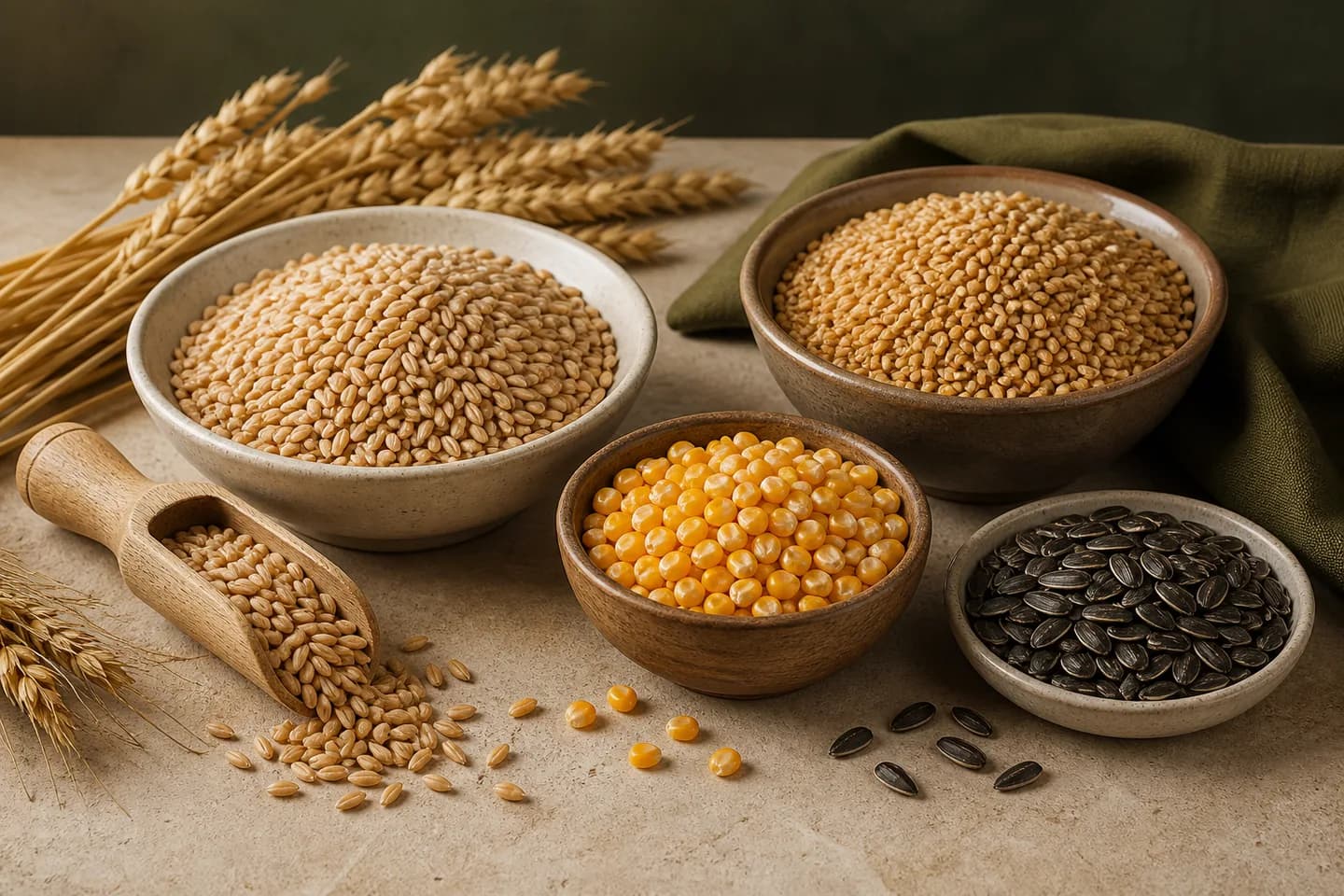
A3 reviews bulk milling wheat, durum wheat, corn or maize and sunflower seed requirements for millers, food and feed processors and commercial buyers, aligning crop, origin, end use, contract specification, volume, loading model and destination.
Grain programmes depend on crop, origin, end use, parcel size and export infrastructure. A3 reviews current availability and loading feasibility before a route is presented as workable.
European, Black Sea and other offer-specific routes are reviewed by common or durum wheat type, crop, grade, contract specification and current export availability.
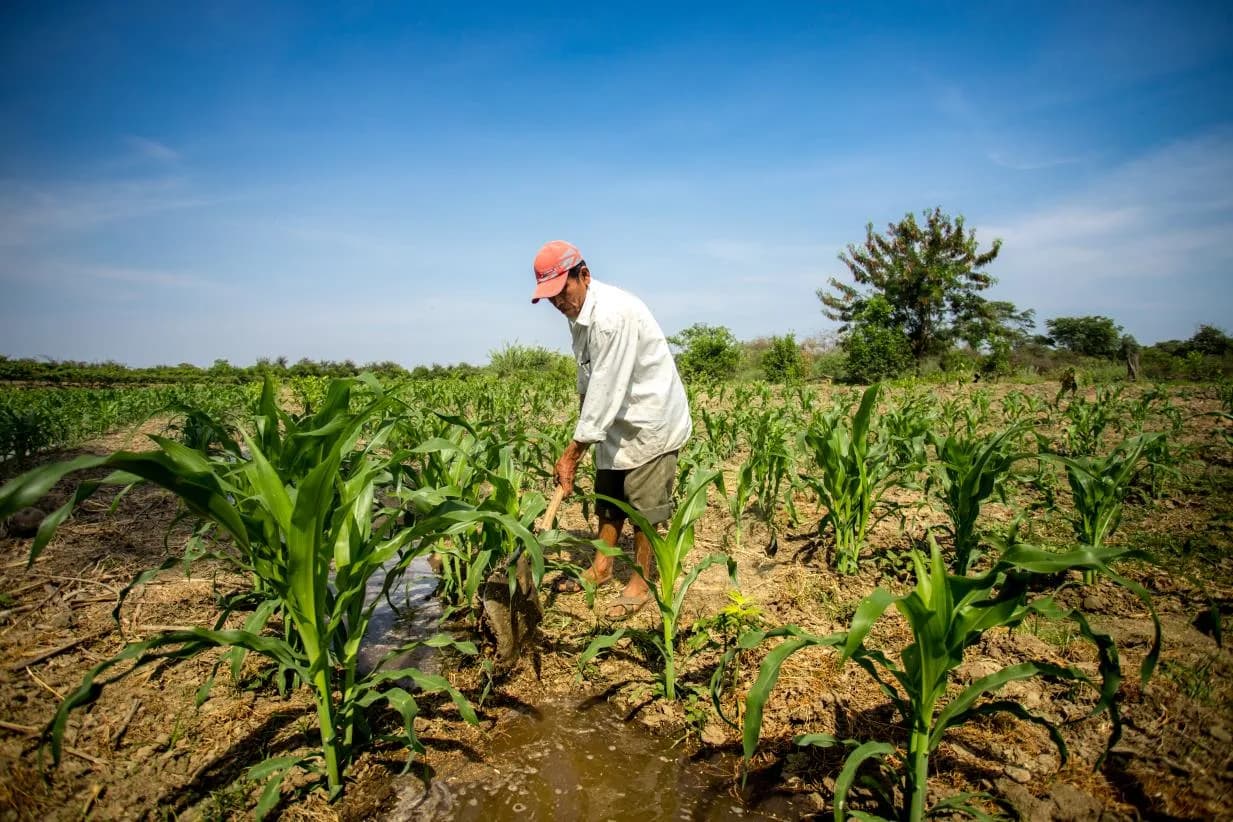
Americas, European and Black Sea options are checked against food, feed, processing, crushing or confectionery use and current crop availability.

Bulk vessel, container, big bag or conventional bag routes depend on the product, volume, terminal or port infrastructure and destination.
The commodity name is only the starting point. End use, test basis, safety controls and the proposed crop or lot must be defined together.
Milling, pasta, food, feed, starch processing, crushing and confectionery routes require different acceptance criteria. Product names alone do not establish functional fit.
Moisture, test weight, protein or gluten, falling number, vitreousness, oil content, broken or damaged kernels and foreign material are selected by product. Results are read with the agreed test method and moisture basis.
Mycotoxins, pesticide residues, infestation, GMO status and destination-specific limits depend on the product and intended use. Food and feed grades are not treated as interchangeable.

Crop year, origin, supplier or terminal, lot identity, representative sample and inspection point are connected before contracting so the acceptance reference belongs to the proposed cargo.

A3 matches the intended use, target specification, test basis and tolerances with the proposed crop, origin and lot. The commercial offer identifies the quality basis being considered rather than relying on the commodity name alone.
A representative sample, supplier analysis or independent inspection is linked to the lot, sampling point and method defined in the contract when that review is included. No general sample or report is assumed to represent the final cargo without that connection.
Volume, weight basis, loading model, Incoterm, loading port, shipment window and agreed document set are confirmed in the commercial offer and coordinated around the selected route.
Last reviewed 31 July 2026. The USDA 2026/27 forecast provides a dated market snapshot for wheat, corn and sunflowerseed; it is context rather than a live price indicator.
World wheat production is forecast at about 820 million tonnes, around 3% below the prior year and below projected consumption of 826.2 million tonnes.
Production is forecast at 1.297 billion tonnes against 1.315 billion tonnes of consumption, with ending stocks falling from 298.7 million to 275.3 million tonnes.
World sunflowerseed production is forecast at 62.66 million tonnes, about 13% above the prior-year estimate of 55.28 million tonnes.
Answers covering wheat, corn and sunflower seed specifications, quality testing, food safety requirements and bulk supply.
Milling wheat is generally selected for flour and bakery production. Durum wheat is harder and is primarily assessed for semolina and pasta production, including protein, vitreousness and colour.

Continue exploring product families that may fit the same sourcing programme.
Share your requirement and A3 will review suitable grain or seed specifications, origins and loading routes.