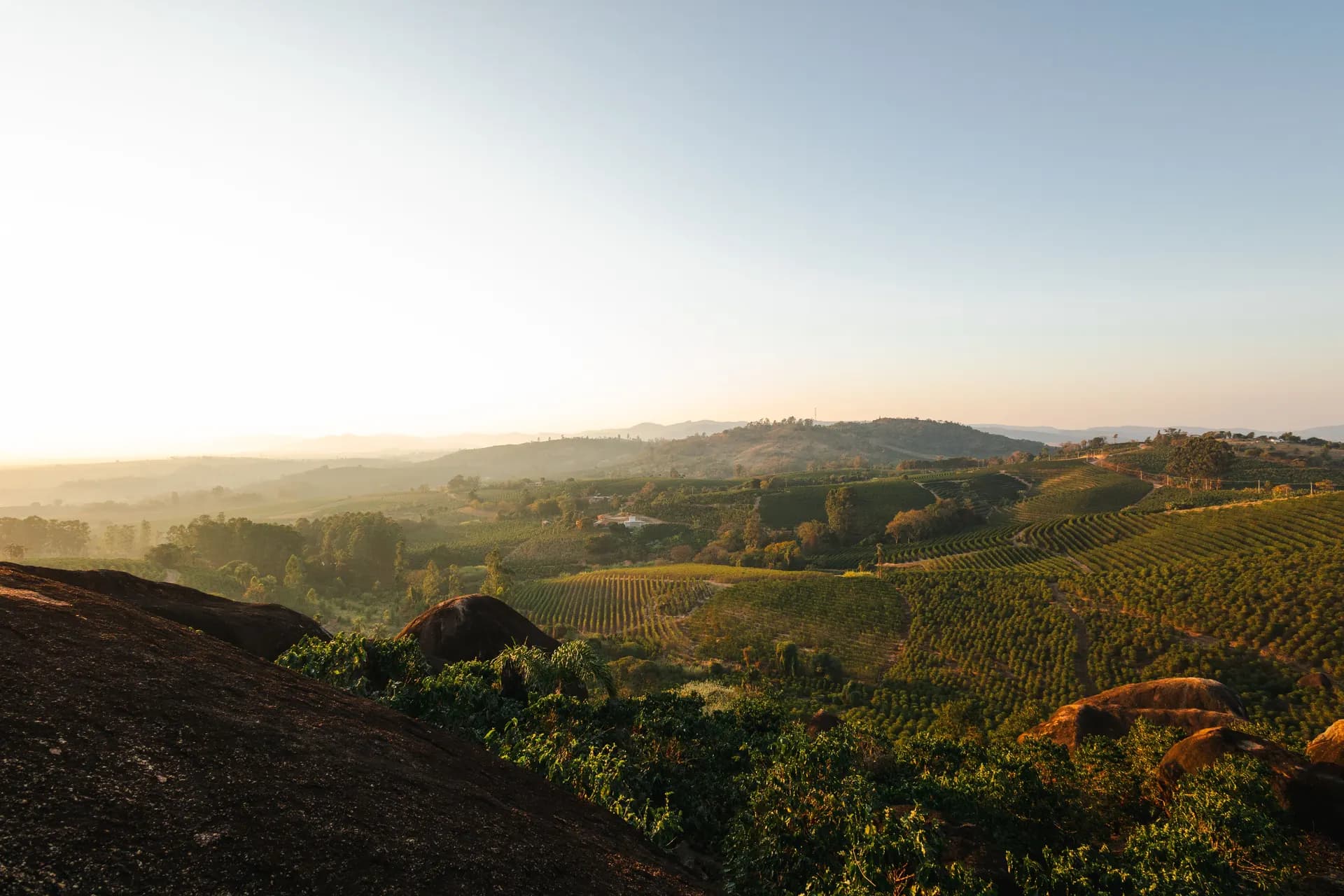
Coffee fields across a Brazilian mountain landscape

Brazilian Green Coffee

A3 reviews Brazilian green coffee requirements for roasters, importers and commercial buyers across selected specialty Arabica, Santos Fine Cup, Good Cup, Rio Minas and Conilon profiles, aligning cup target, physical grade, crop, process, packing, shipment route and destination.

Arabica, Conilon and lot-based supply

Green coffee programmes differ by species, cup profile, crop, process, physical preparation, packing and destination. A3 aligns these variables around the approved sample, current lot and workable export route.

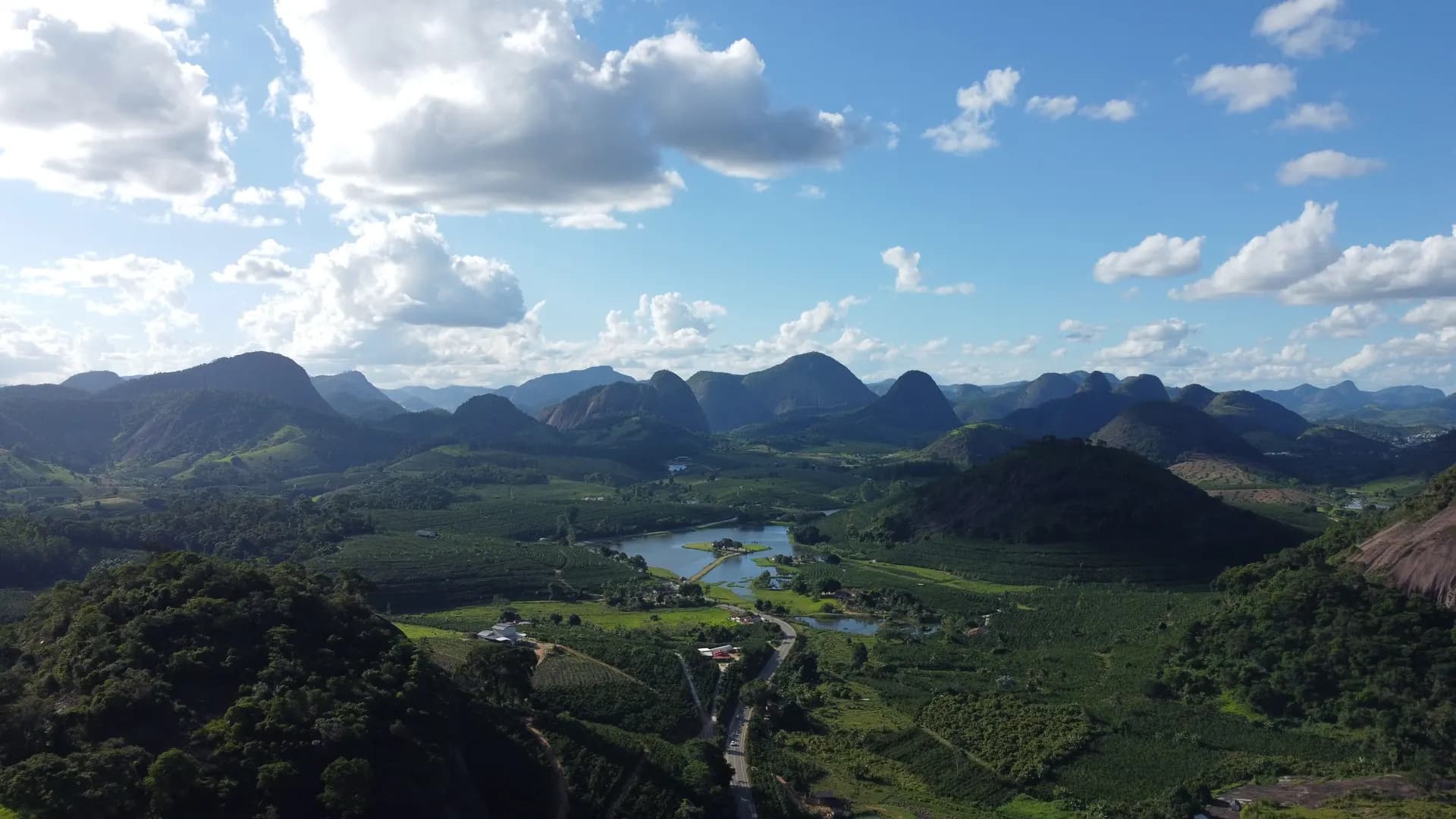
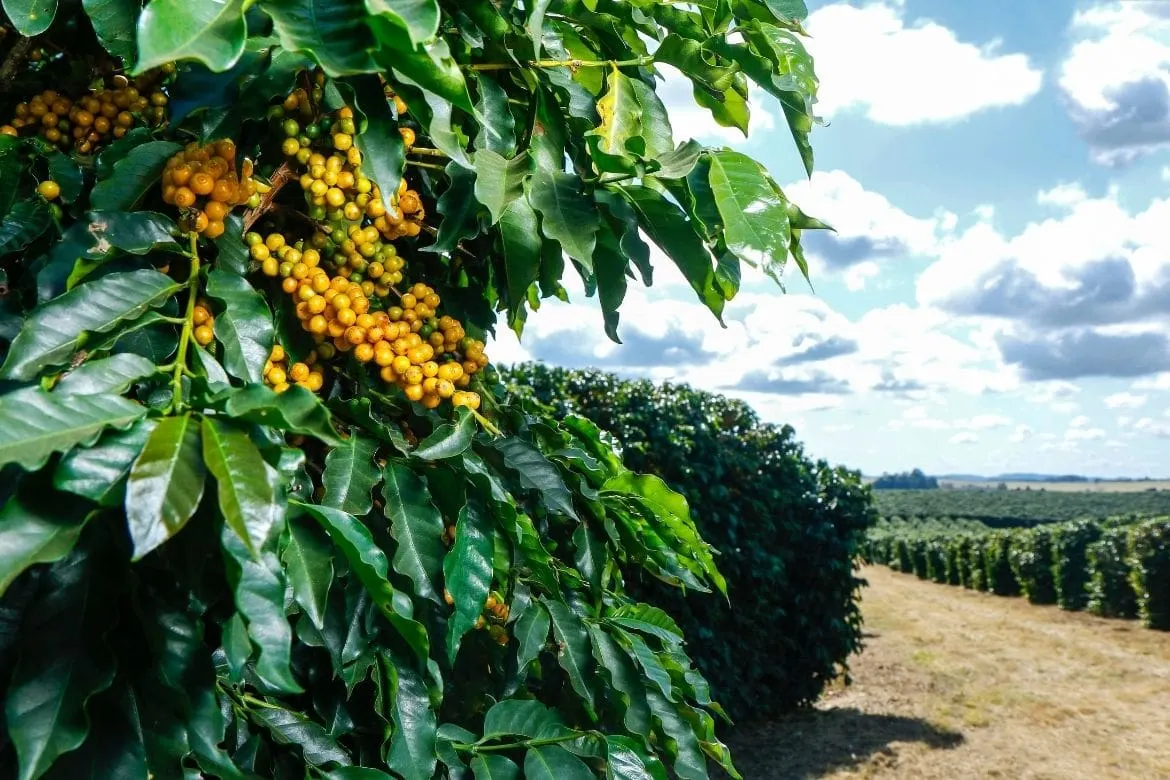
Arabica coffee farms across a Brazilian mountain valley

Arabica programmes

Brazilian Arabica routes range from traceable specialty lots to consistent commercial roasting profiles. Cup target, screen, defects, crop and volume are confirmed against the current lot rather than inferred from the category name.

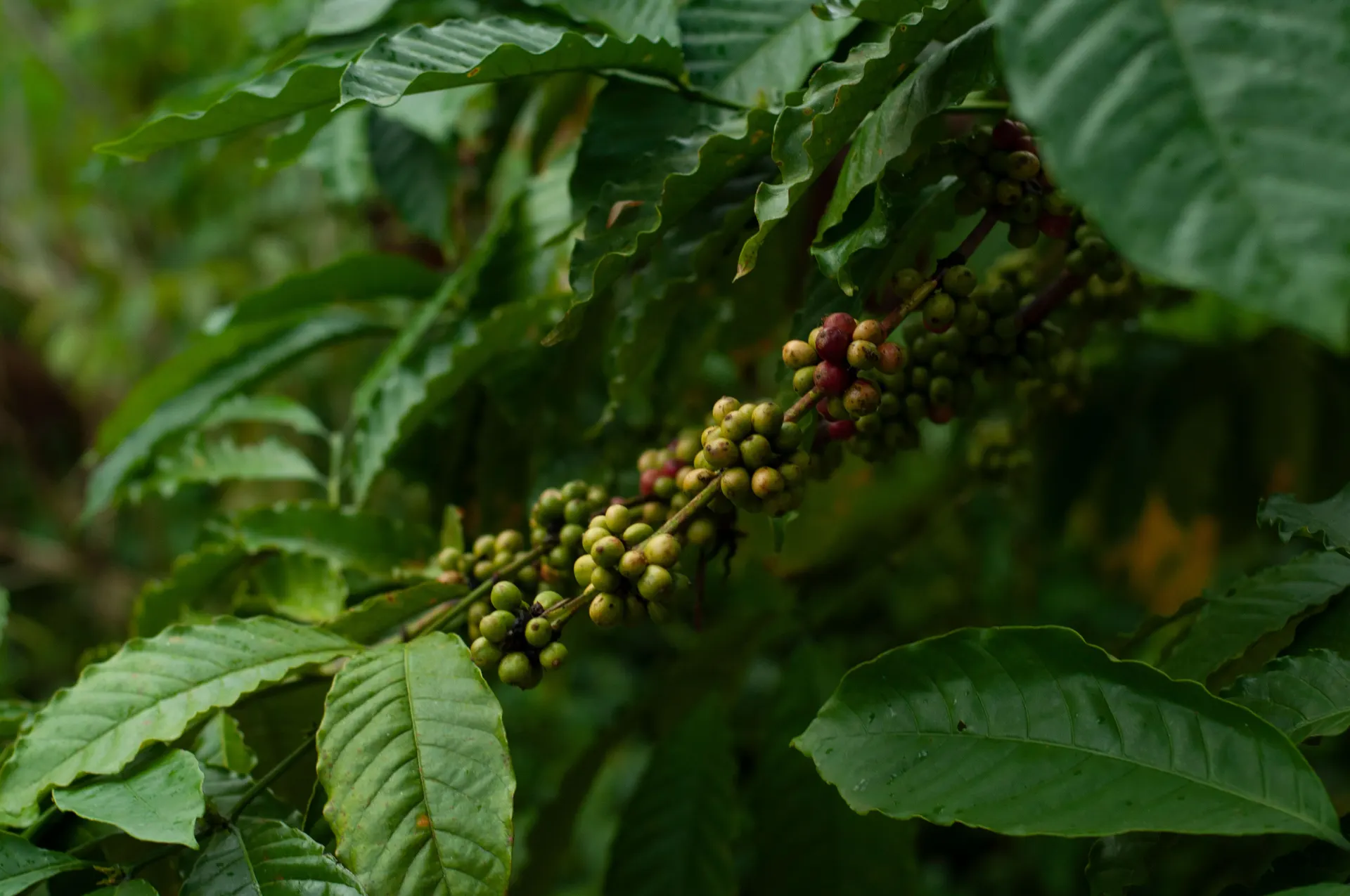
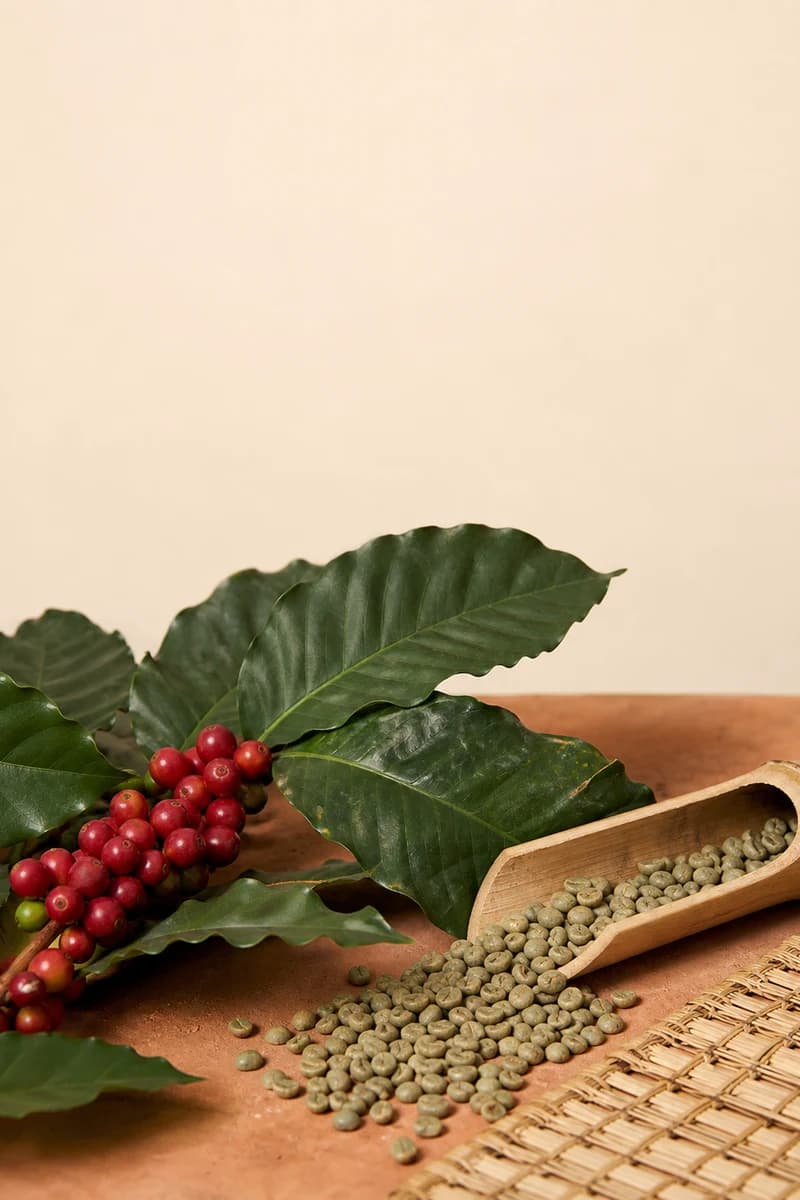
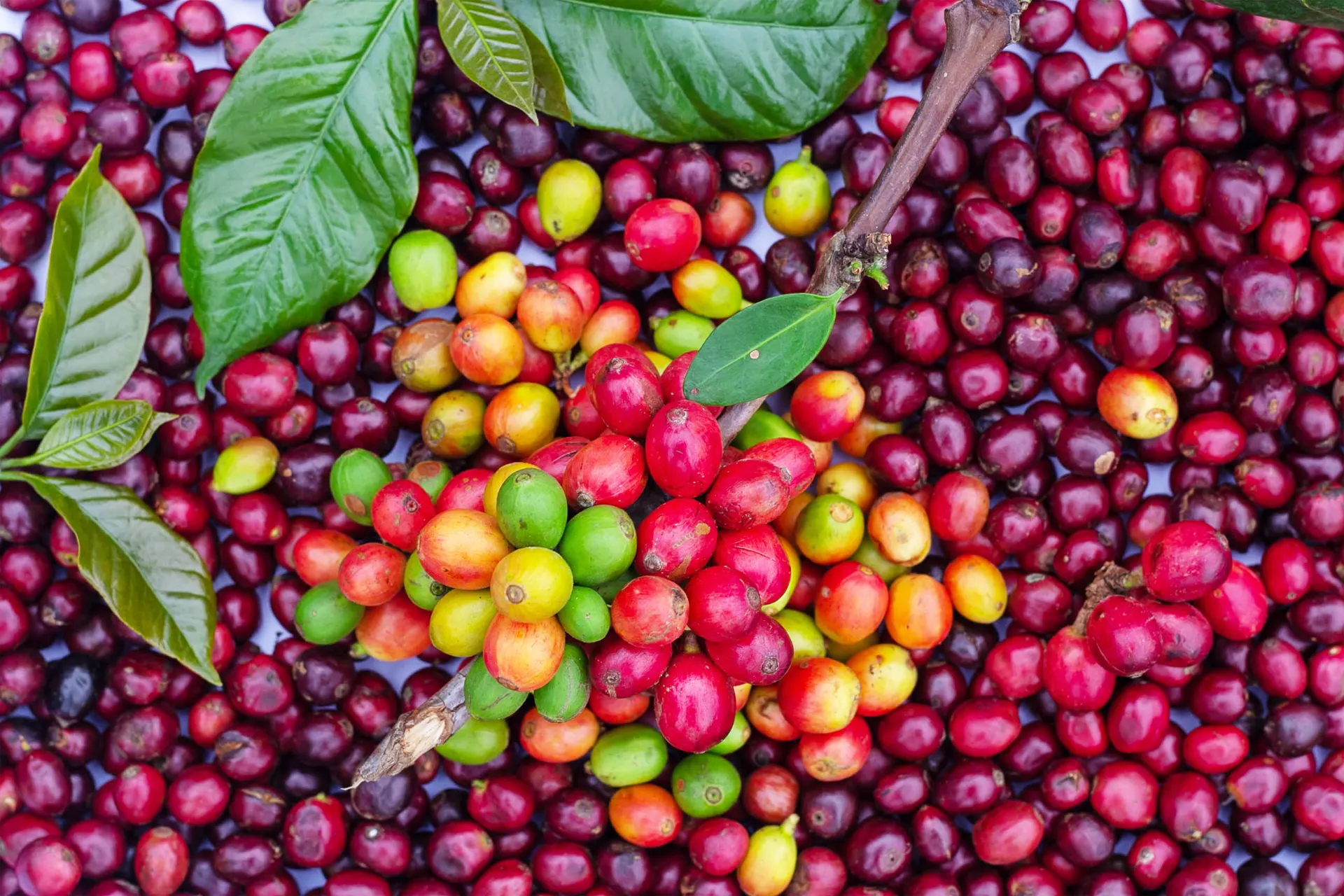
Green Conilon coffee cherries growing on a Coffea canephora plant

Conilon programmes

Brazilian Conilon is a Coffea canephora route for espresso blends, soluble coffee and volume roasting. Origin, cup requirement, physical grade and lot availability are confirmed for each offer.

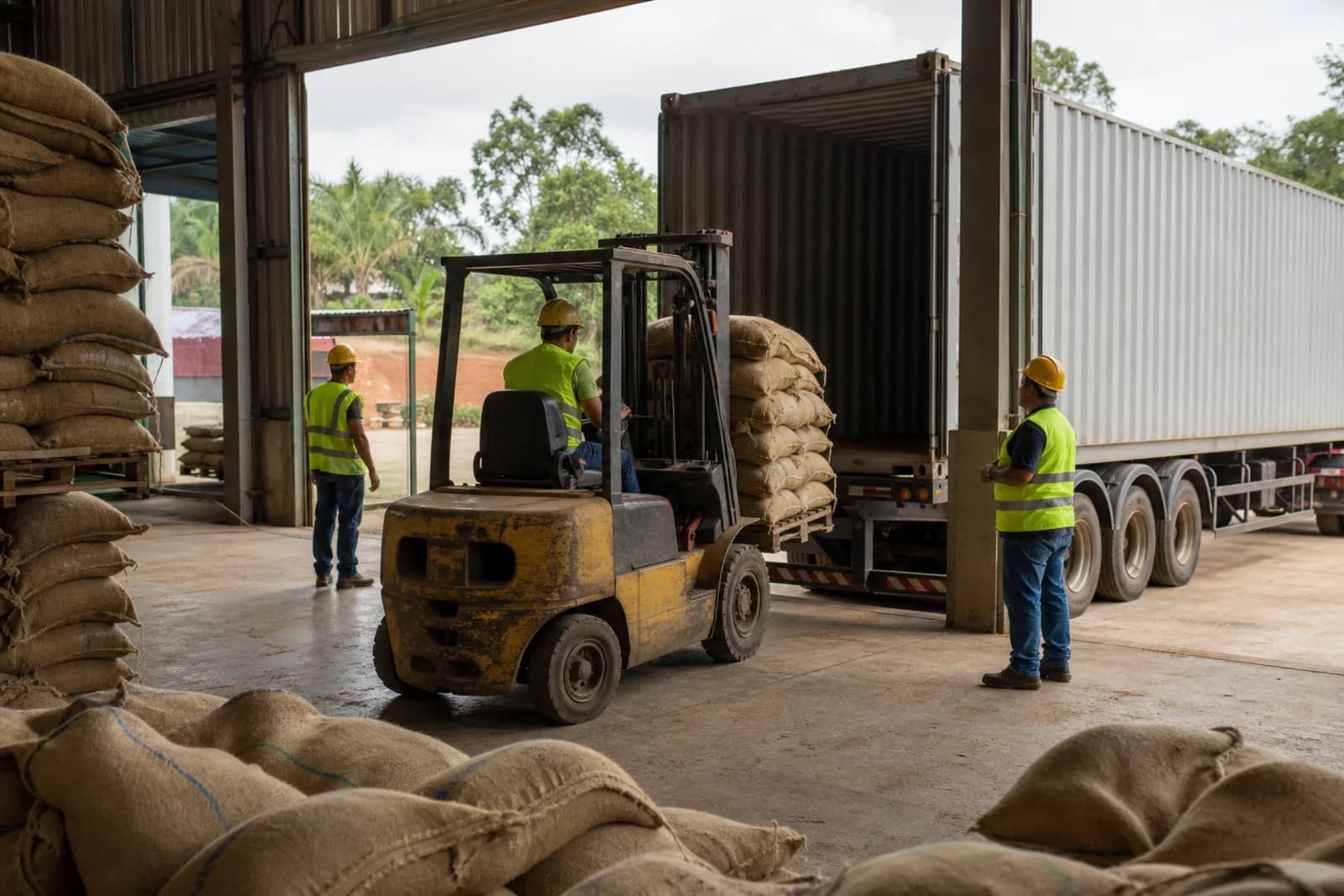
Green coffee export bags being loaded into a shipping container at a Brazilian warehouse

Packing & export preparation

Coffee may be prepared in 60 kg or 69 kg jute bags, with liners where available. Bag markings, container plan and loading requirements follow the confirmed supplier and shipment route.

How green coffee is specified

A green coffee specification needs to describe both sensory and physical expectations. These four areas turn a broad trade profile into a lot that can be sampled, compared and approved.

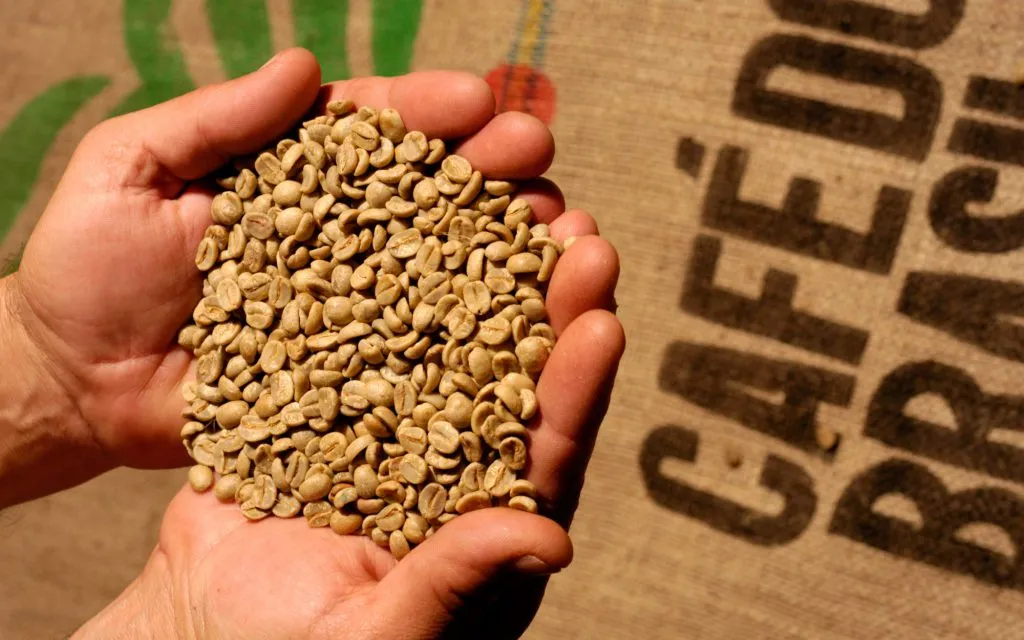
Green coffee beans held for cup profile and approval review

Cup profile and approval reference

Cup character is assessed from a representative sample against the buyer's sensory target. Cupping notes, score where relevant and an approved reference define the acceptance basis for the proposed lot.

Screen size and physical grade

Screen distribution, preparation and defect limits describe the required physical grade. The agreed values belong in the lot specification and are checked against supplier documentation.

Moisture, crop and process

Moisture, crop year and processing method help buyers compare condition and style. Natural, pulped natural and washed coffees are identified explicitly, with actual results confirmed for the offered lot.

Coffee export handling representing origin and lot identity

Trade profile, origin and lot identity

Santos Fine Cup, Good Cup and Rio Minas are commercial profile references, not complete specifications. Region, variety where relevant, producer or supplier and lot identity connect the approved sample with the coffee prepared for shipment.

Brazilian coffee origins

Explore six Brazilian coffee origins—Minas Gerais, Bahia, Espírito Santo, Paraná, São Paulo and Rondônia—by species, regional profile and buying relevance. State context guides the shortlist; final cup, screen, process, crop and availability remain lot-specific.

Minas GeraisBahiaEspírito SantoParanáSão PauloRondônia

Minas Gerais

Minas Gerais is Brazil’s principal Arabica-producing state, with established supply networks ranging from specialty coffees to consistent commercial profiles.

Sul de Minas, Cerrado Mineiro, Matas de Minas and Mantiqueira de Minas offer distinct growing conditions. Caturra, historically identified in Minas Gerais, may show honey, caramel and ripe stone-fruit notes with full body and balanced acidity in supplier-described lots.

Species
Arabica
Profile range
Specialty to commercial
Supply relevance
Broad differentiated availability
Selected origins
  • Sul de Minas
  • Cerrado Mineiro
  • Matas de Minas
  • Mantiqueira de Minas
Buying focus

Useful when a programme needs a broad choice of cup profiles, physical grades and regional identities from one major producing state.

Regional and variety profiles are indicative. Final cup, process, screen, crop and physical grade are confirmed against the offered lot and approved sample.

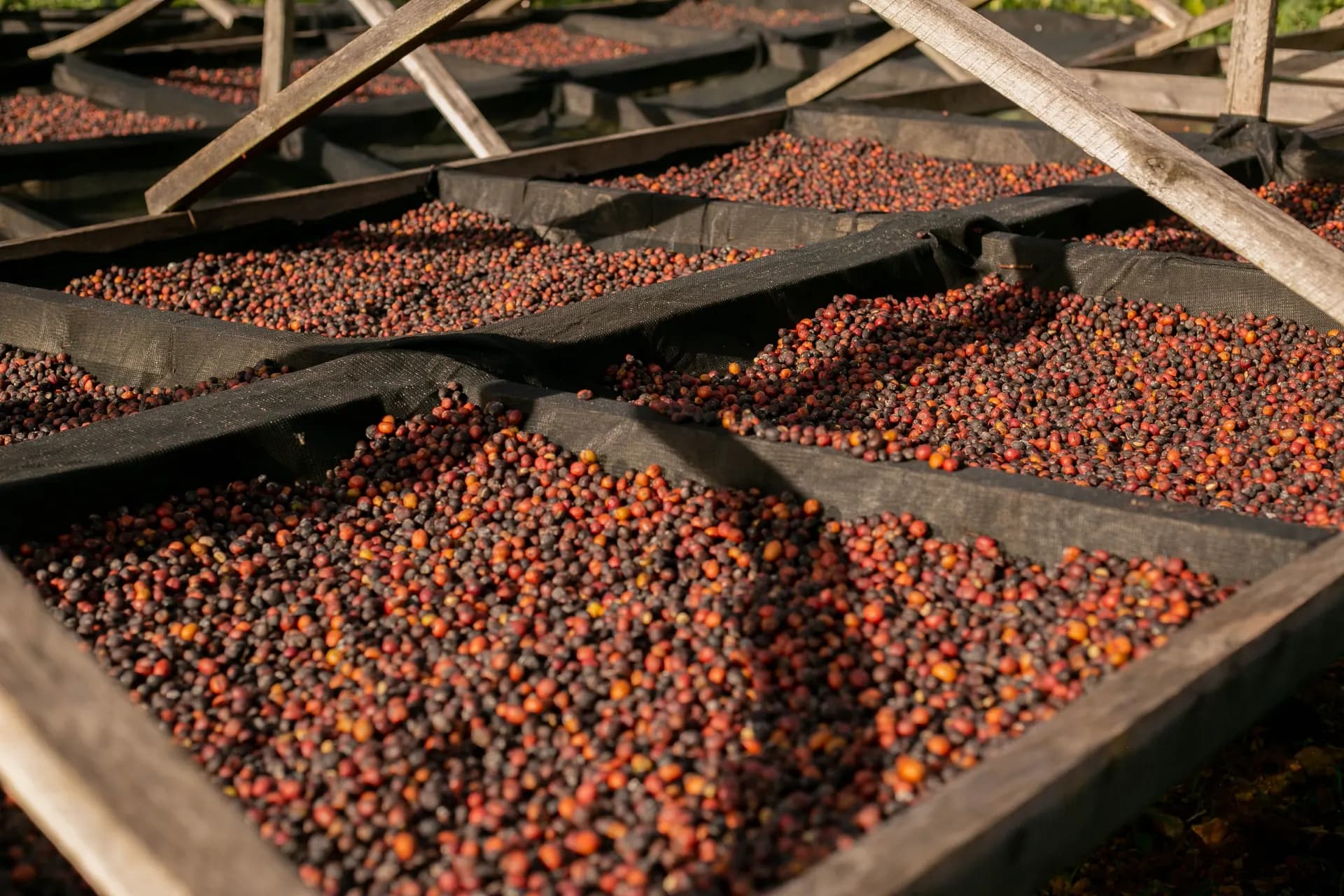
Green coffee being prepared on drying beds at a Brazilian processing facility

From approved sample to export shipment

A3 matches the representative sample, cup profile, screen, defects, moisture, crop and process with the proposed supplier information and lot records. The agreed approval reference identifies the coffee being considered for the programme.

Available volume, price basis, payment structure and inspection options are reviewed against the buyer, supplier and transaction requirements.

Packing, Incoterm, delivery point, loading plan, agreed document set and shipment milestones are confirmed in the commercial offer and followed through the selected export route.


Brazil’s Role in Global Coffee Supply

Brazil combines large-scale Arabica and Conilon production with a broad range of regional and commercial profiles. The figures below place that dual supply base within the wider 2026/27 global coffee outlook.

Global coffee production

World coffee production is forecast at a record 189.7 million 60 kg bags in 2026/27, while consumption reaches 179.7 million and ending stocks begin to recover.

Brazil’s supply scale

Brazil is forecast to produce 71.9 million 60 kg bags in 2026/27, reinforcing its central role across global Arabica and Conilon supply routes.

Brazil’s Arabica base

Brazil’s forecast combines 47.5 million bags of Arabica with 24.4 million bags of Conilon, providing two distinct species for different buying programmes.

Brazilian Green Coffee FAQs

Guidance on Brazilian green coffee varieties, cup profiles, grading, samples, regional origins and export packing.

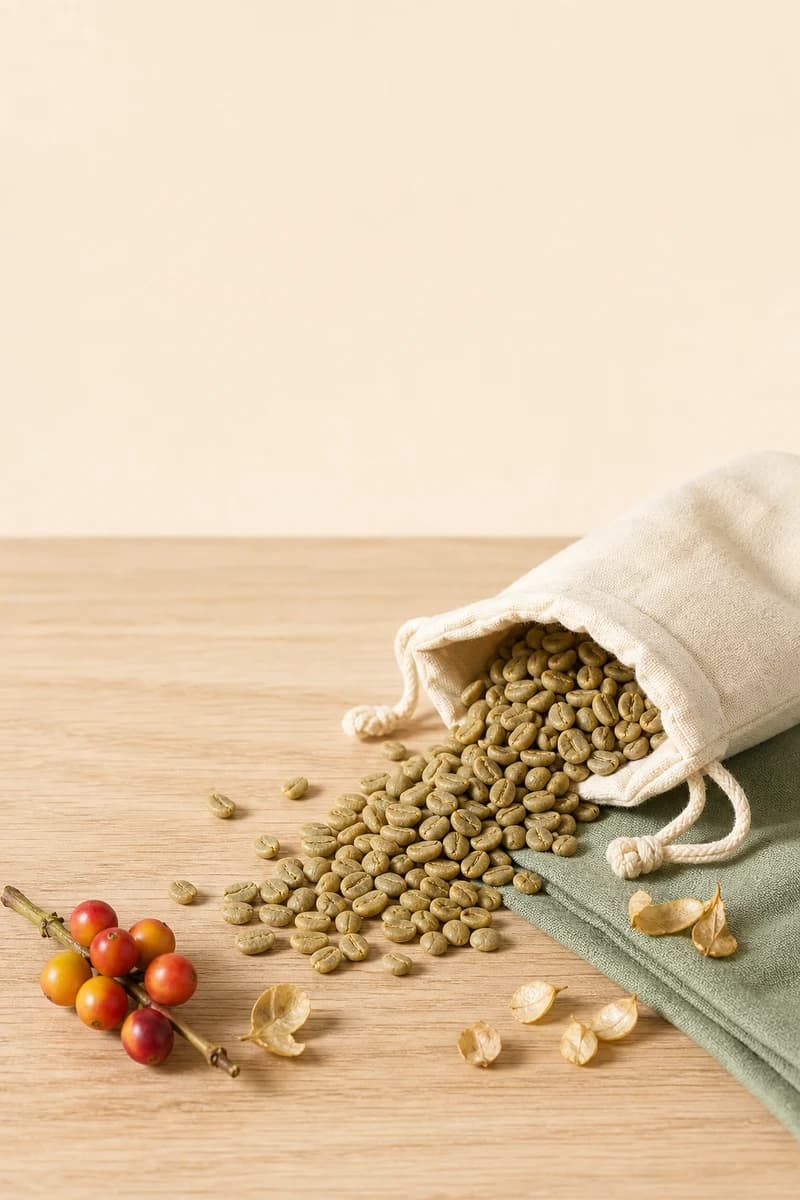
Arabica is generally selected for more aromatic and refined cup profiles. Brazilian Conilon is a Coffea canephora coffee widely used in espresso blends, soluble coffee and commercial roasting programmes.

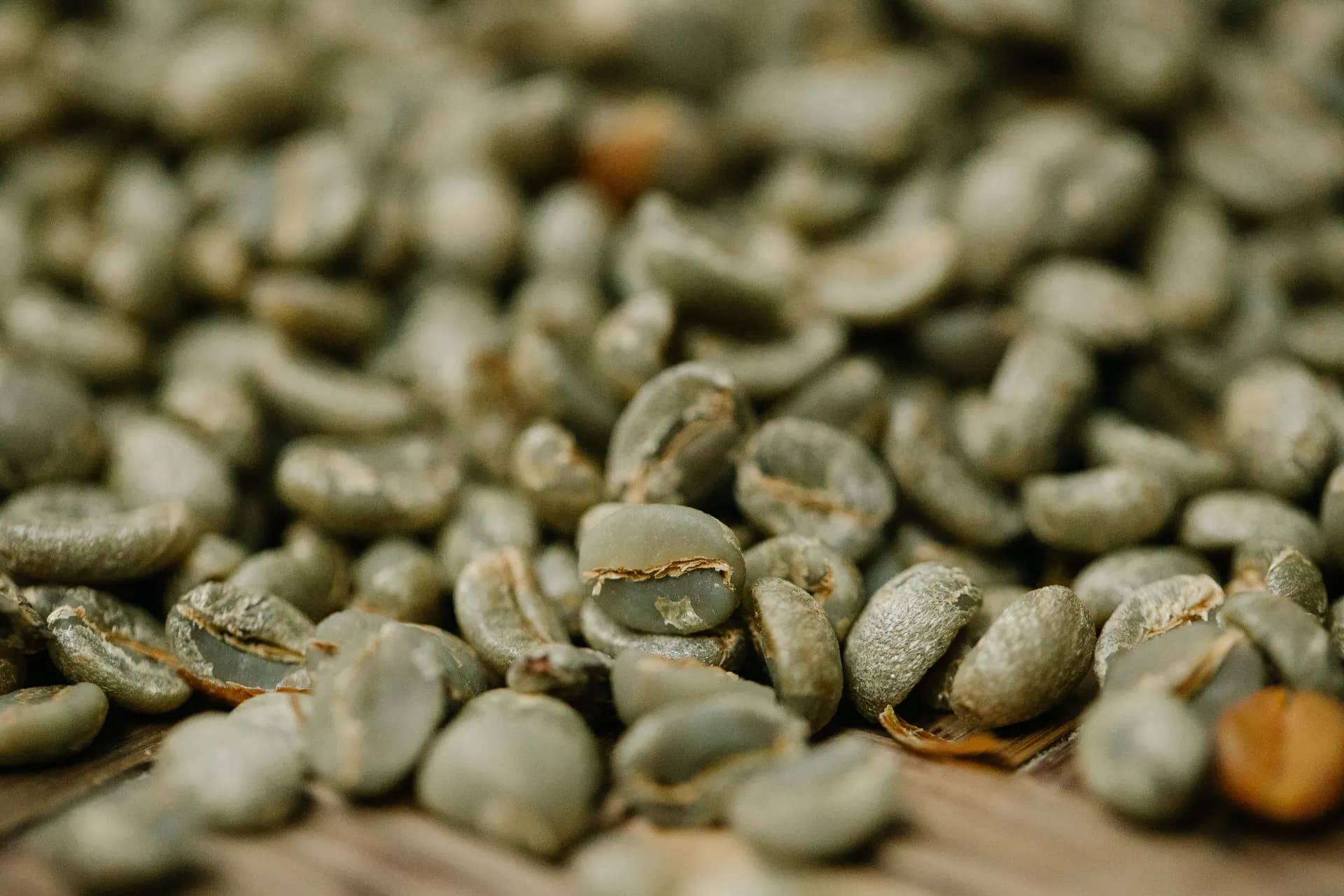
Brazilian Conilon green coffee beans presented for comparison with Arabica

For Brazilian green coffee enquiries

Share your requirement and A3 will review suitable Brazilian coffee lots and commercial routes.