Plant-based processing routes
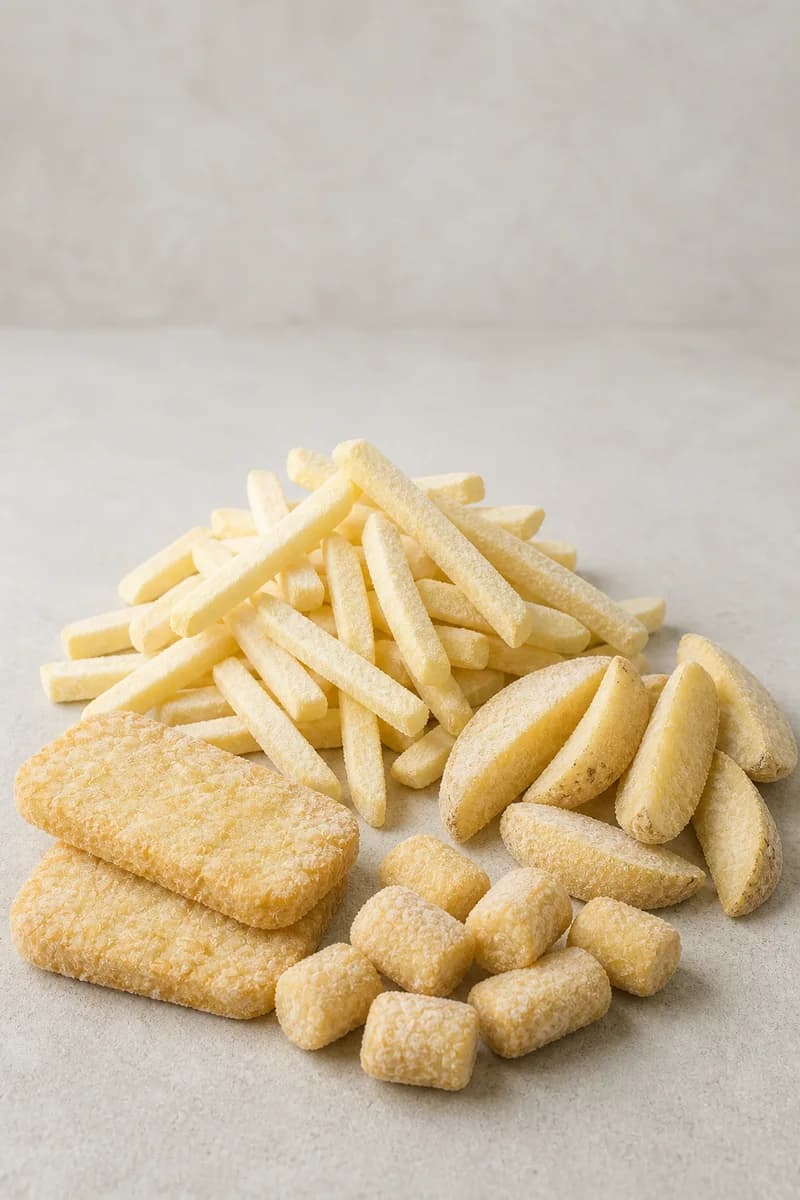
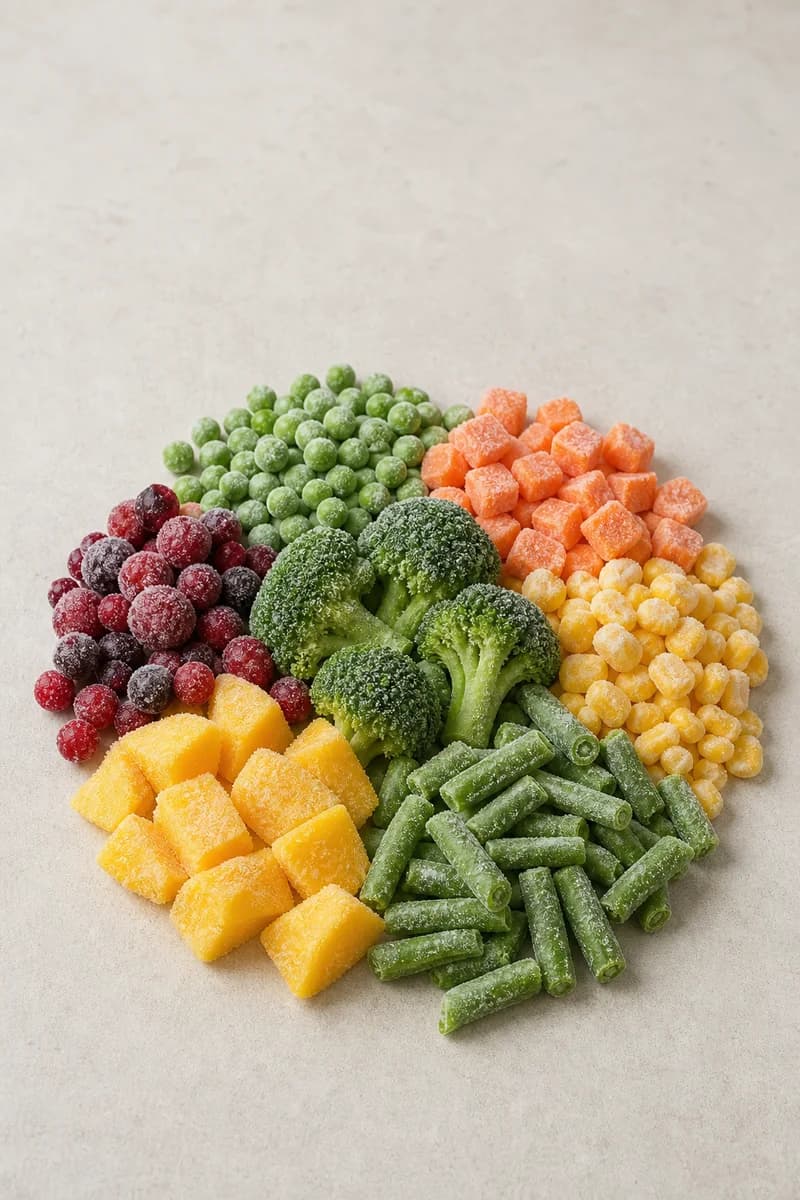
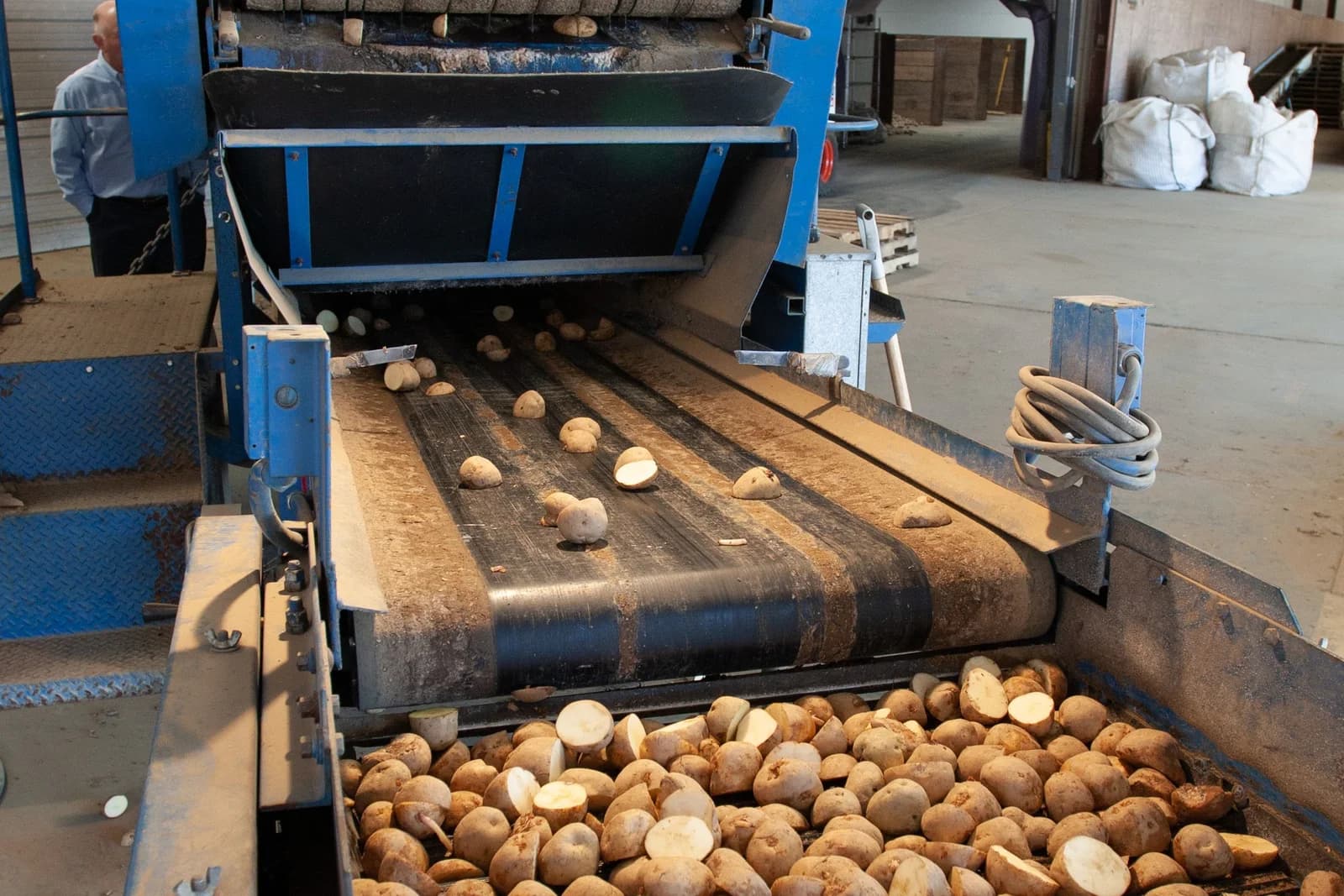
Potato, fruit and vegetable programmes are reviewed by crop or variety, cut, treatment, IQF or block format, cooking performance and current production availability.
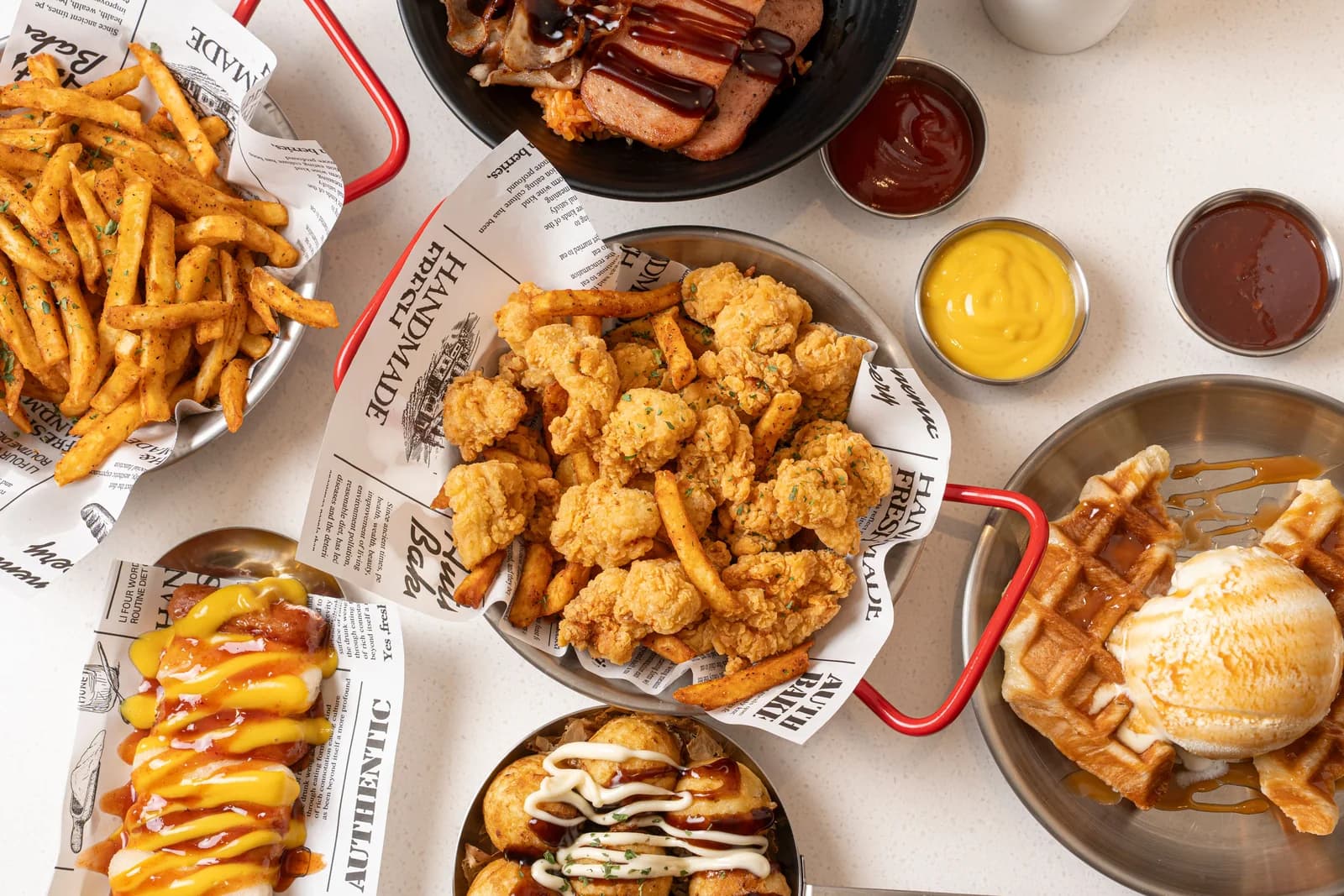
A3 reviews commercial frozen-food requirements across potato products, fruit and vegetables, poultry, seafood and bakery lines, aligning product identity, preparation stage, performance specification, producer and destination eligibility, packing, remaining shelf life and cold-chain route.
Frozen programmes differ by raw material, preparation stage, establishment eligibility, case format and cold-chain requirements. A3 reviews these variables together before confirming availability and logistics.
Potato, fruit and vegetable programmes are reviewed by crop or variety, cut, treatment, IQF or block format, cooking performance and current production availability.
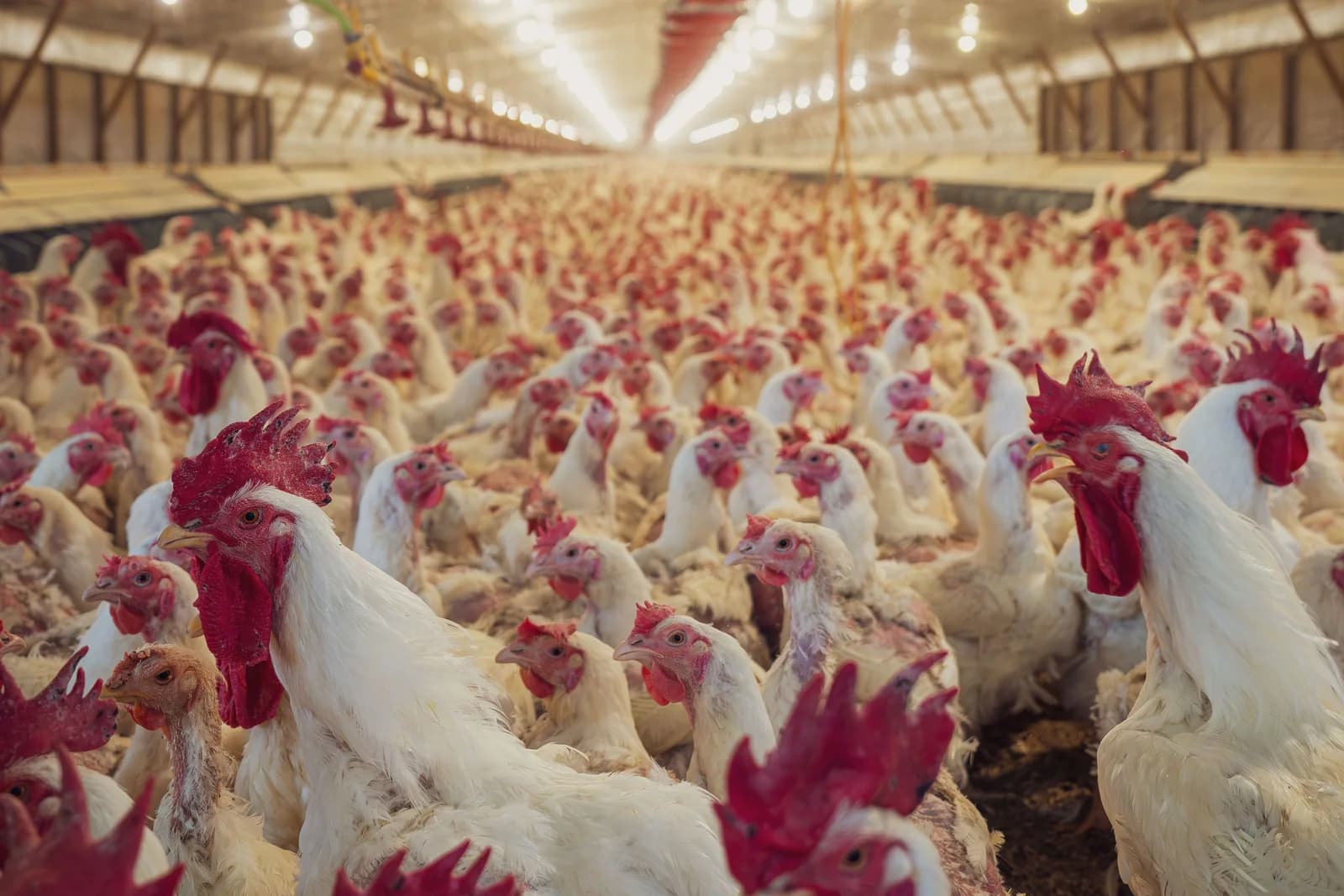
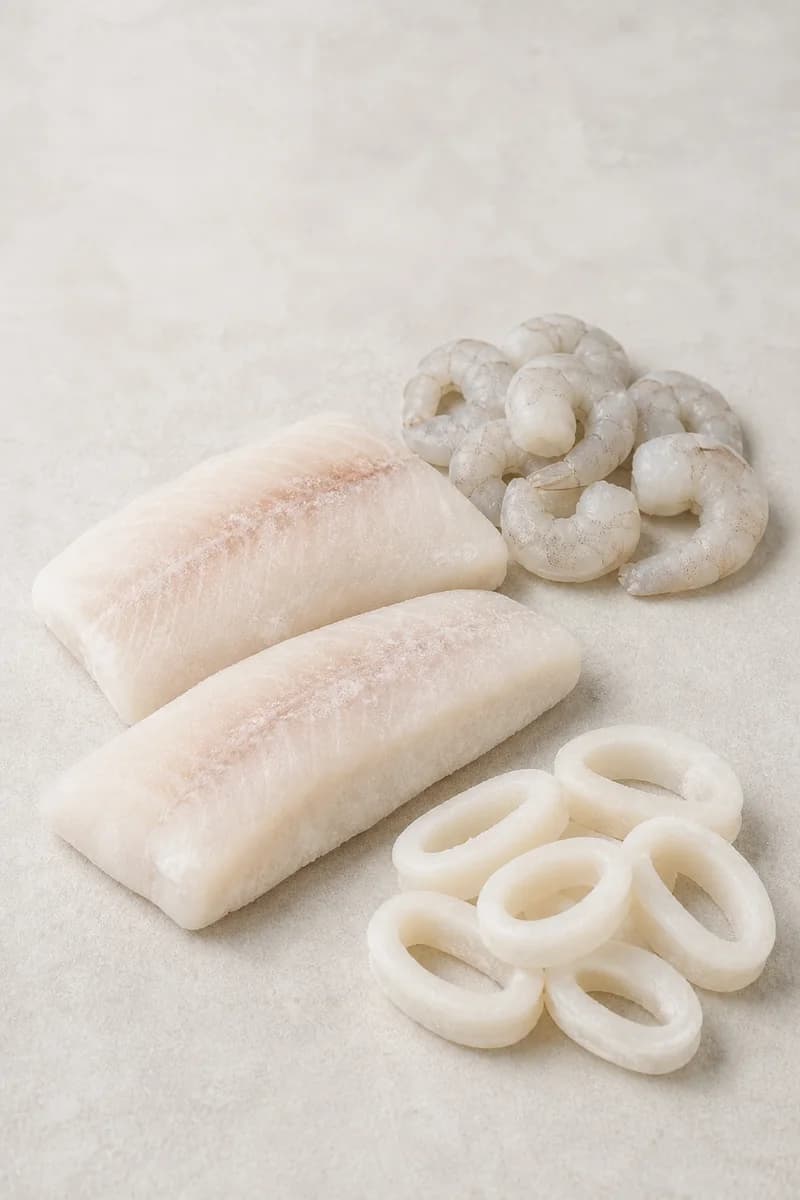
Product identity, origin, eligible establishment, raw or cooked form, calibration, glaze or net weight and destination eligibility are confirmed for the offer.
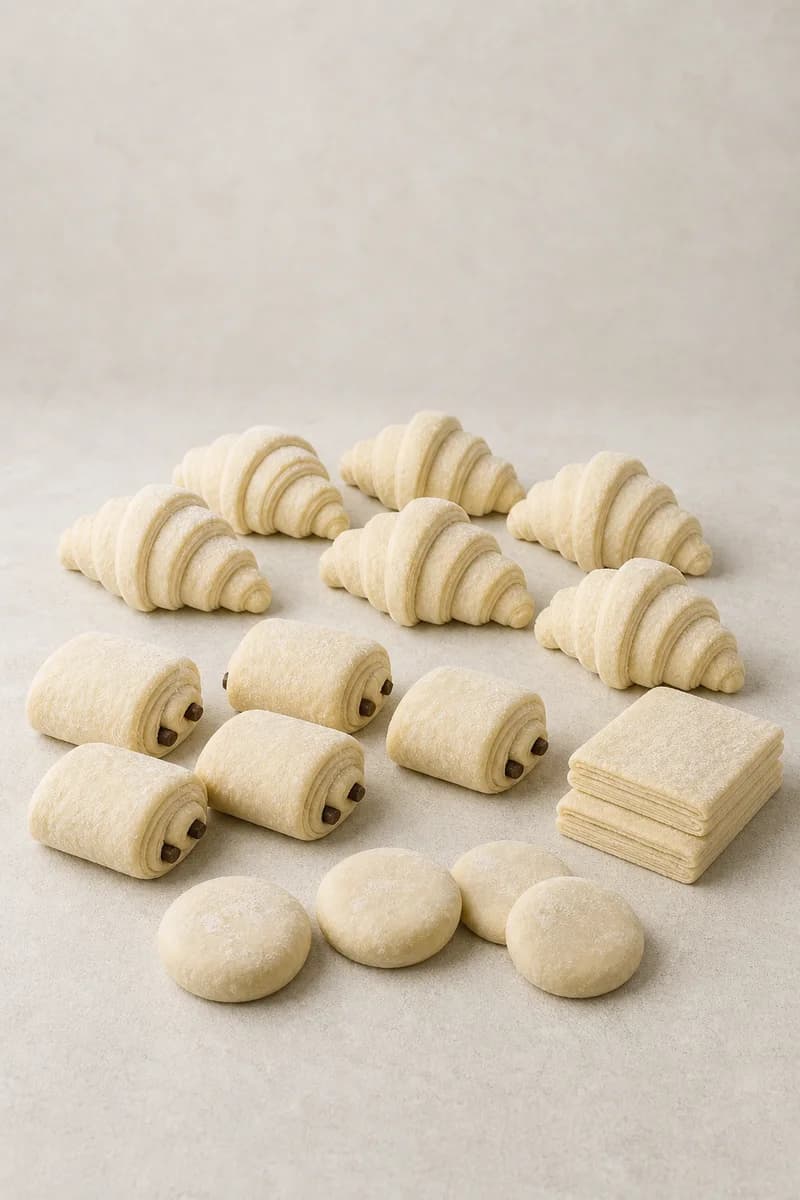
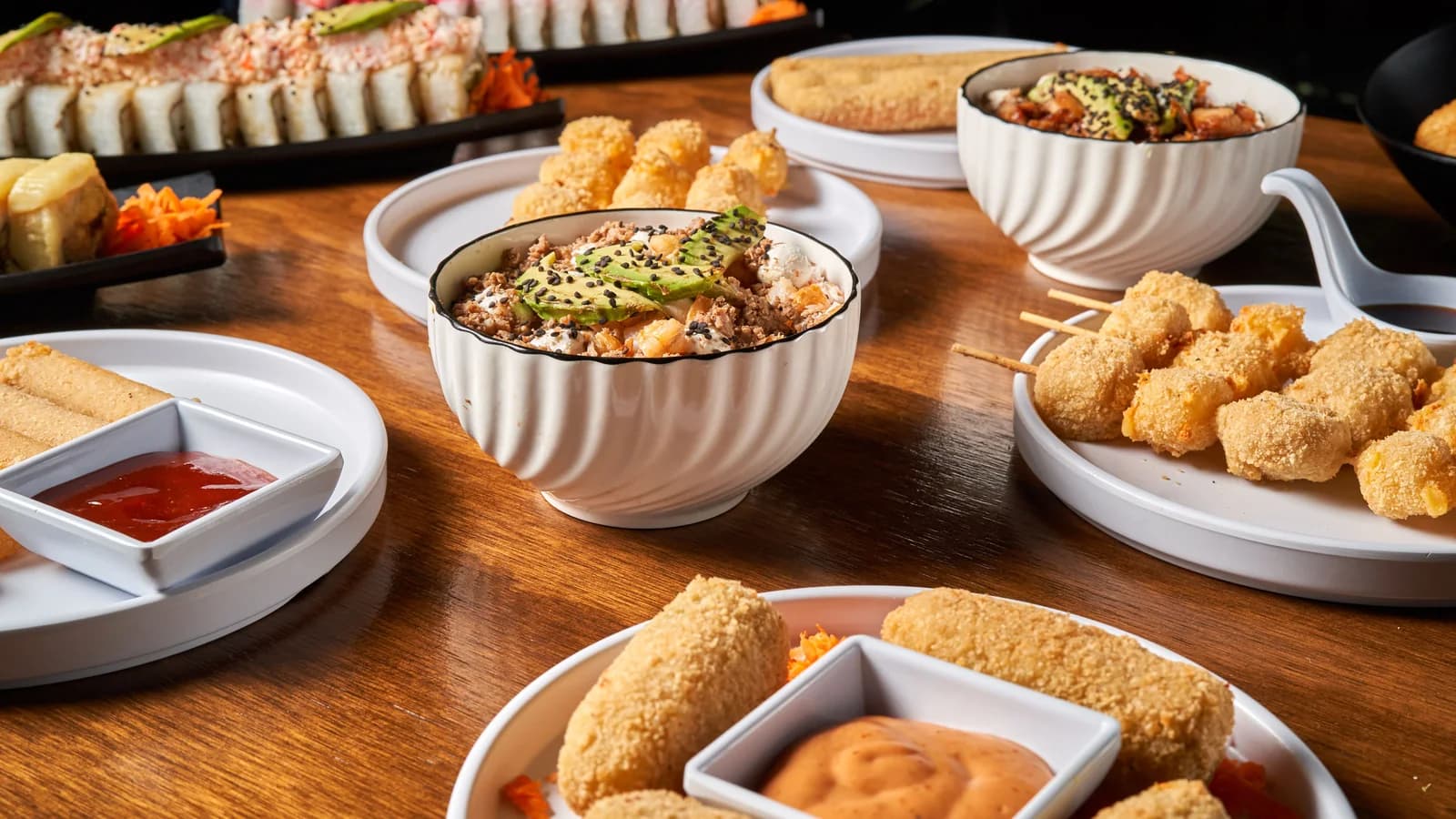
Coated or formed products, appetisers and frozen bakery lines are matched by preparation stage, recipe, allergens, equipment instructions, case format and production slot.
The product name is only the starting point. Identity, preparation stage, performance, safety controls and the required cold-chain route must be defined together.
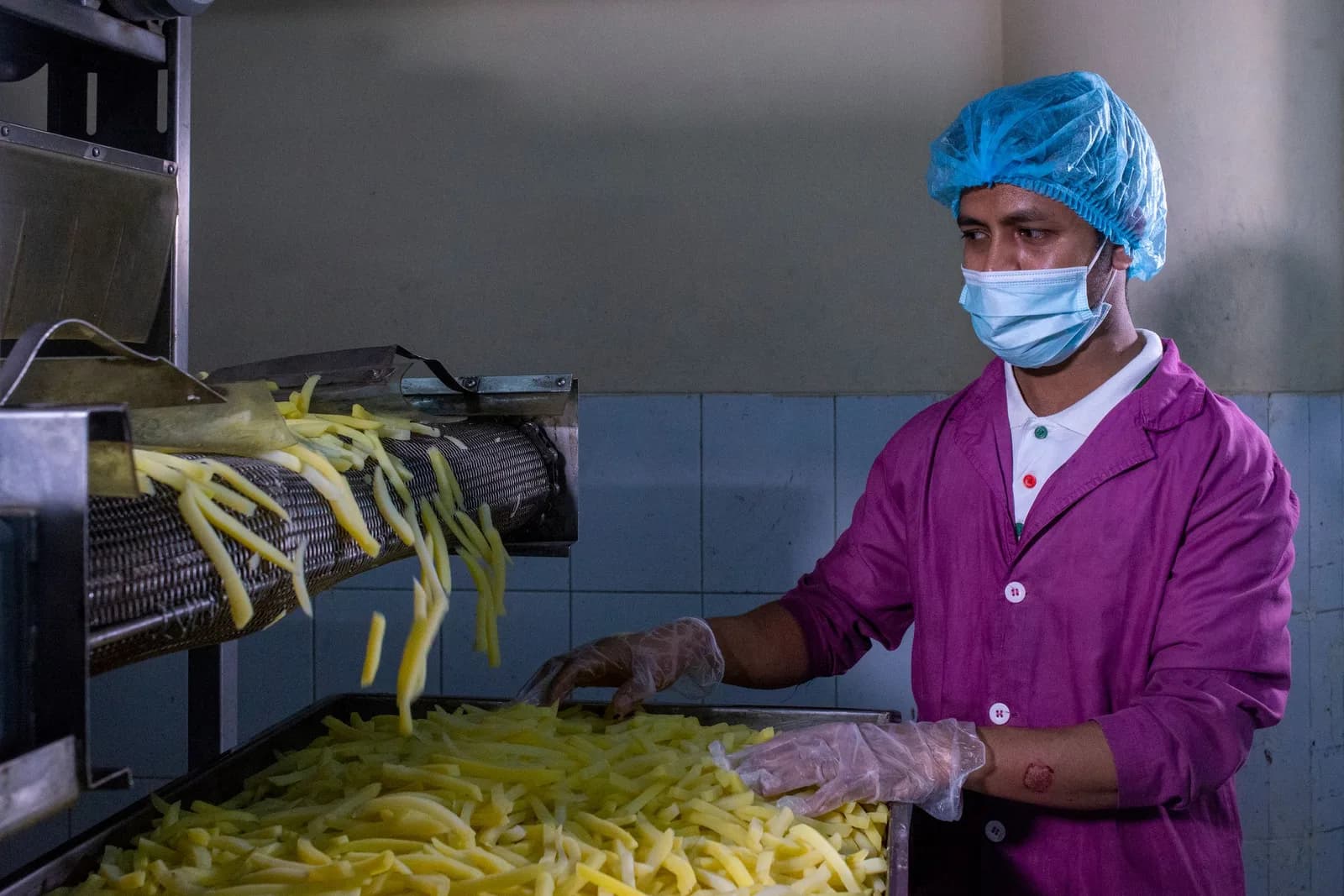
Species or variety, cut and raw, cooked, blanched, coated or seasoned status define the product. IQF, block, formed and portioned formats are distinct and must be tied to the supplier item.
Size or count, calibration, net weight, glaze or added water, colour, defects and texture are selected by product. Frying, holding, thawing, proofing or baking performance is defined where relevant to the intended operation.
Microbiology, residues, foreign material, allergens, additives and certification requirements are set by product. For poultry and seafood, country and establishment eligibility are confirmed against the destination and offered route.
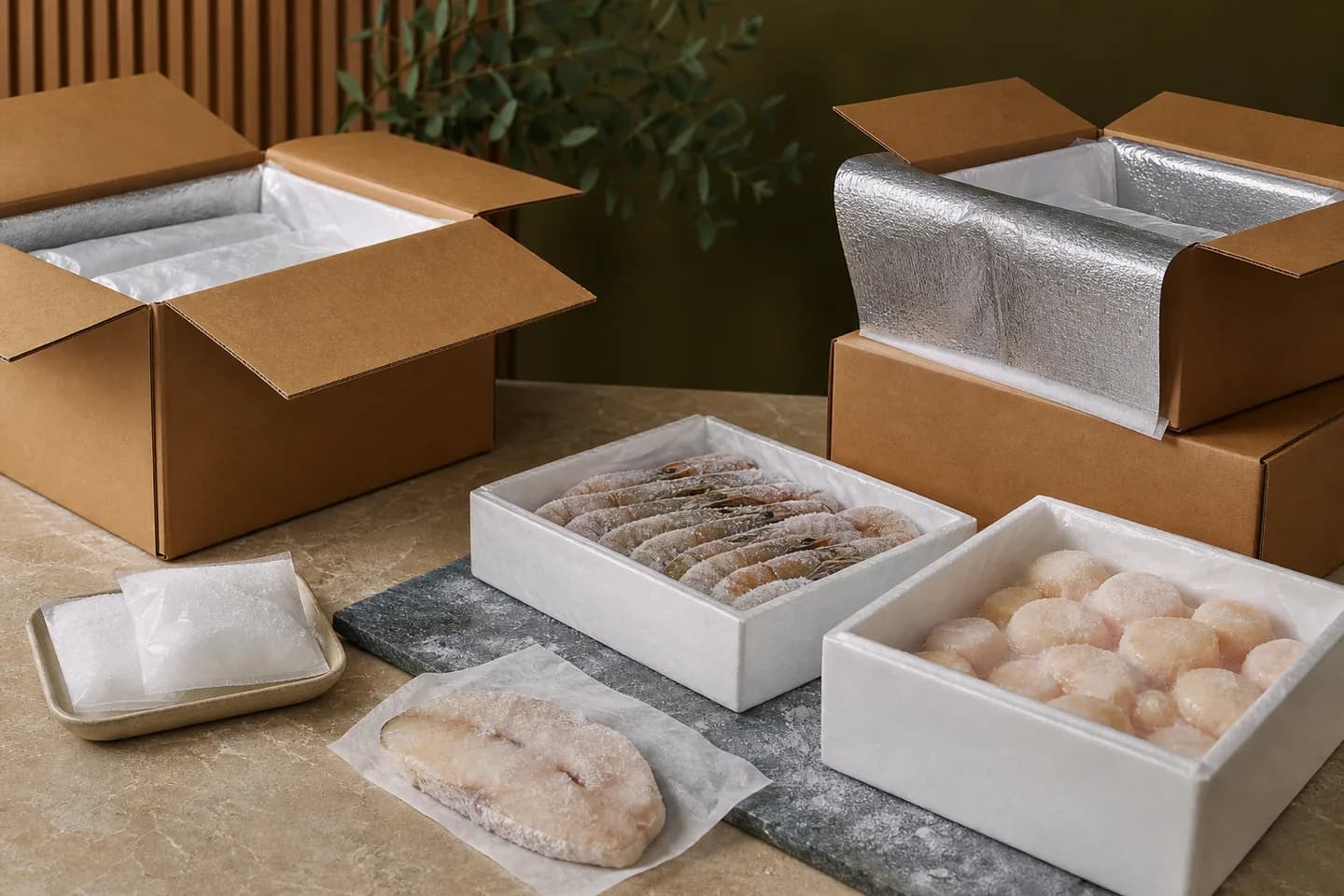
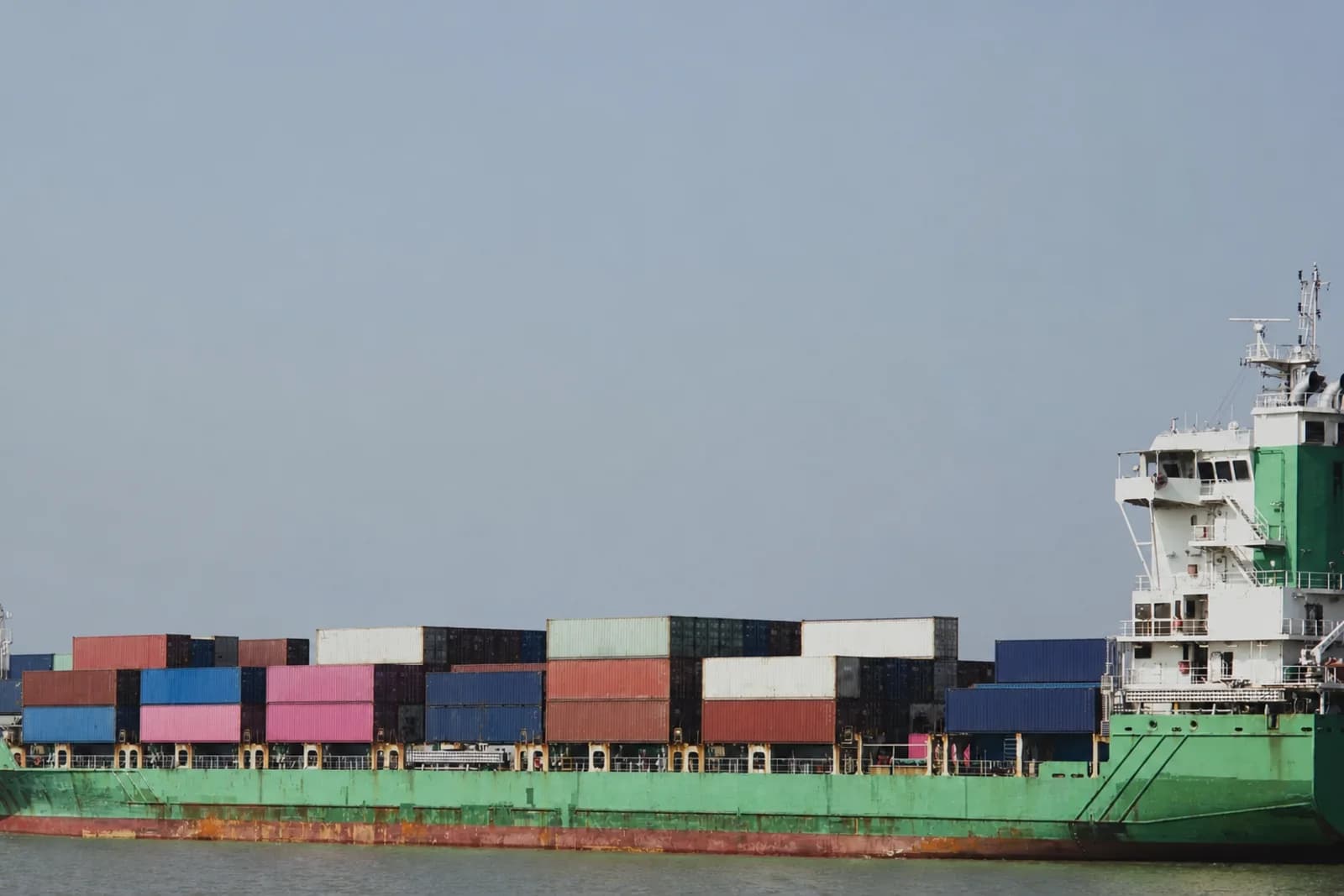
Inner pack, carton, pallet, production date, remaining shelf life, agreed storage temperature, reefer configuration, loading checks and temperature-recording expectations are reviewed together. Quick-frozen products may use −18°C or colder after thermal stabilisation as a reference, while contract and destination tolerances remain offer-specific.
A3 matches the product identity, preparation stage, performance specification and destination requirements with the proposed producer item and lot or production batch.
A representative sample, technical data sheet, recent COA and any required establishment or certification records are connected to the proposed product and batch where that review is available.
Volume, case and pallet plan, production date, remaining shelf life, temperature regime, reefer model, Incoterm, destination, labels, agreed document set and shipment window are confirmed in the commercial offer.
Last reviewed 6 August 2026. The market estimate and forecast were published in June 2026 and provide dated category context, not a live price, stock or A3 availability indicator.
The report estimates the global frozen-food market at US$325.09 billion in 2025 across its covered categories.
Europe represented 38.78% of the report's 2025 market estimate across retail and foodservice channels.
The same report forecasts a 5.14% compound annual growth rate from 2026 to 2034; this is not a supply or price guarantee.
Answers to common questions about IQF products, frozen food specifications, cold-chain requirements, seafood glazing and destination eligibility.
IQF means Individually Quick Frozen. Individual pieces are frozen separately rather than as one solid block, helping retain separate portions and making commercial handling easier.

Continue exploring product families that may fit the same sourcing programme.
Share your requirement and A3 will review suitable frozen products, eligible production routes and cold-chain options.