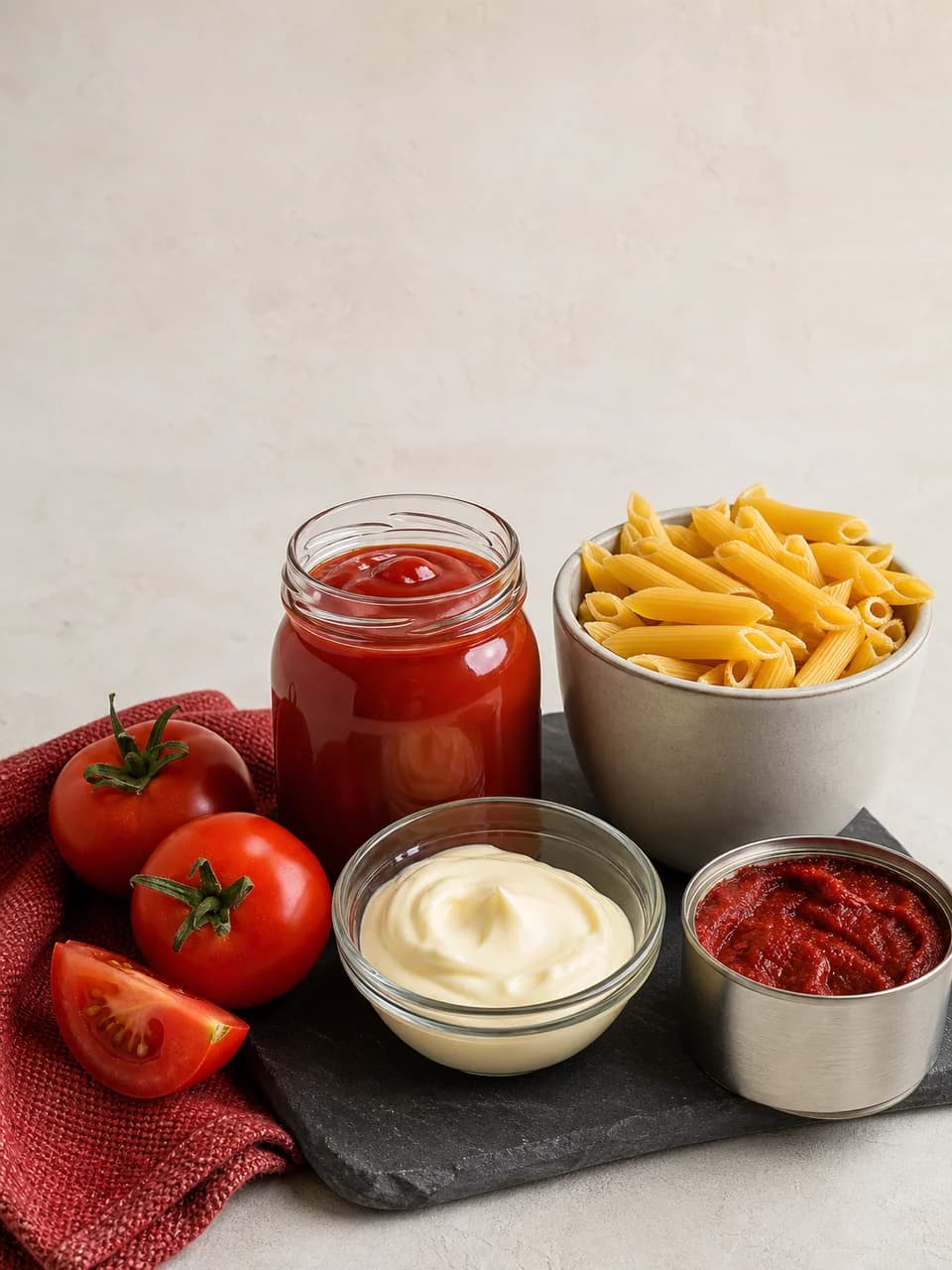

Liquid edible oils
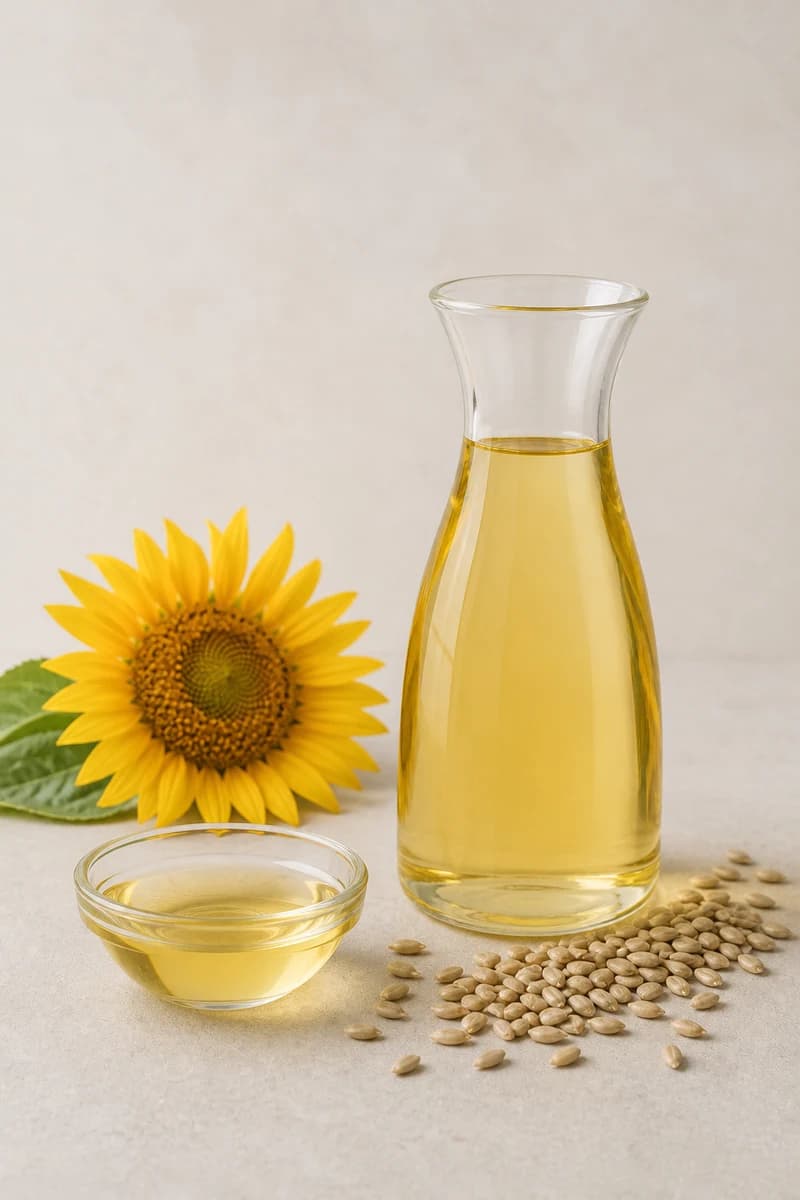
Sunflower, corn and olive oil routes are reviewed by declared identity, refining or virgin category, origin, analytical profile, application and current filling or bulk availability.

A3 reviews commercial requirements across sunflower, corn and olive oils, palm olein, margarines, bakery fats and speciality fat systems, aligning product identity, processing route, analytical profile, application, packing, temperature control and destination.
Oil and fat programmes differ by product identity, refining or formulation route, application, pack or tank model and temperature behaviour. A3 reviews these variables together before confirming availability and logistics.
Sunflower, corn and olive oil routes are reviewed by declared identity, refining or virgin category, origin, analytical profile, application and current filling or bulk availability.

Standard or superolein grade is confirmed by iodine value, cloud behaviour, refining status, certification model and the temperature conditions of the proposed route.
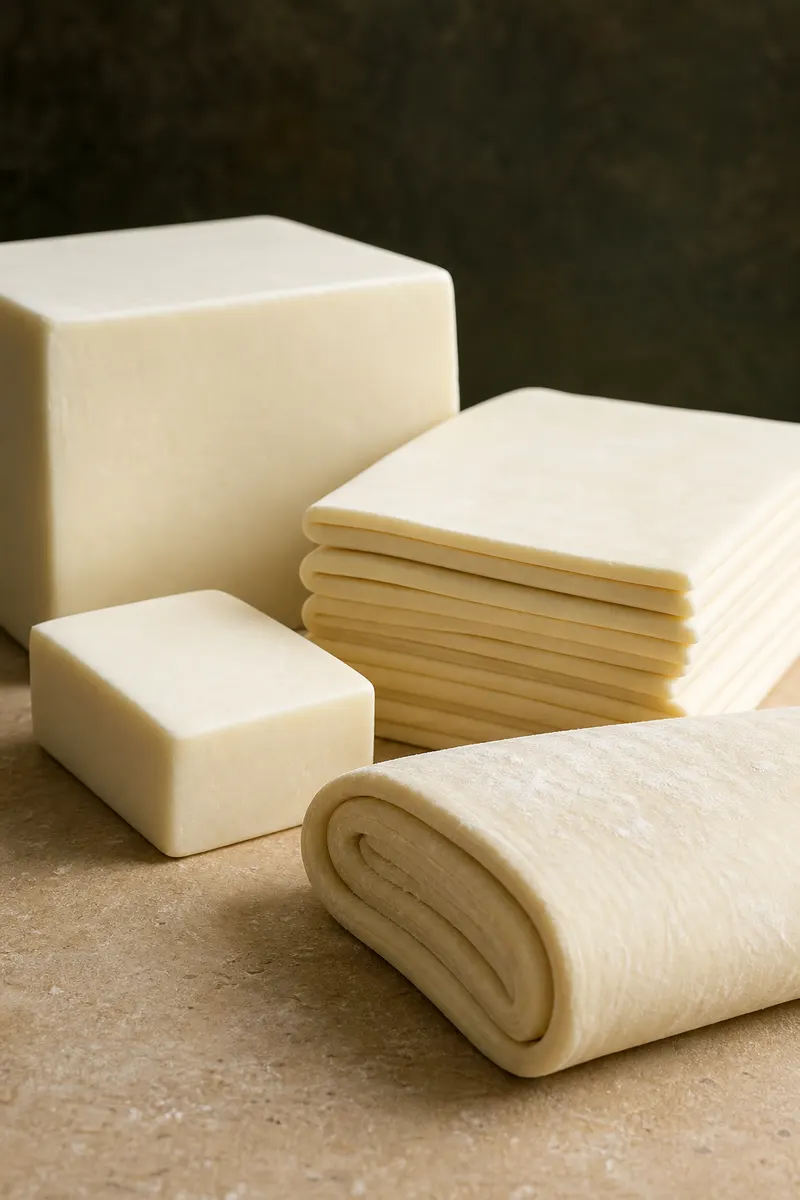
Margarines, bakery fats and speciality systems are matched by composition, solid-fat and melting behaviour, working temperature, pack format and production availability.
The product name is only the starting point. Identity, processing route, analytical condition, functional behaviour and handling requirements must be defined together.

Named oils, fractions and formulated fats have distinct identities. Crude, refined, virgin, fractionated, interesterified, hydrogenated and formulated products are not interchangeable; the supplier specification and destination declaration define the offered route.
Fatty-acid identity, FFA or acid value, peroxide value, moisture, impurities, colour, odour and clarity are selected by product. Anisidine value, oxidative stability or trace metals may be added where relevant, with results read against the test method, sample date and lot or batch.
Frying stability, cloud behaviour, solid-fat profile, melting, plasticity, emulsion, aeration, lamination and crystallisation are matched to the application. Hydrogenation, trans-fat, allergen, GMO and additive declarations remain product- and destination-specific.
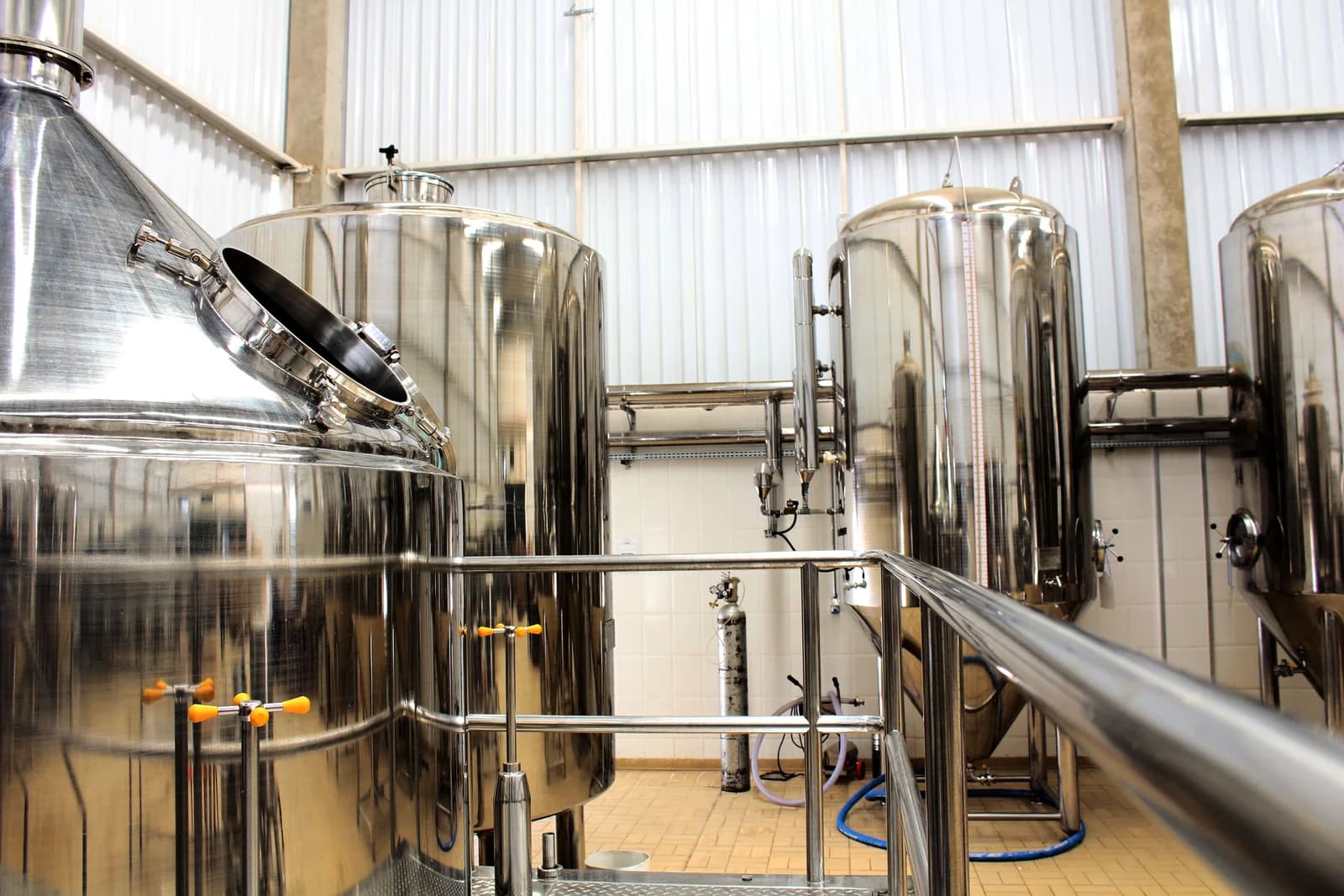
Retail and industrial packs, drums, IBC, flexitank, bulk tanks, cartons and pails are reviewed with light and oxygen exposure, tank cleanliness, previous cargo, heating and loading or discharge conditions. The actual temperature route follows product behaviour and the commercial offer.

A3 matches product identity, application, processing route and analytical specification with the proposed supplier item, formulation and lot or production batch. The commercial offer identifies the exact oil or fat route rather than relying on a broad category name.
A representative sample, technical data sheet, COA and any required functional trial or certification reference are connected to the proposed batch, tank or filling run where that review is available.
Volume, retail or industrial pack or bulk-tank model, temperature regime, tank-cleanliness or previous-cargo requirements, Incoterm, destination, labels, agreed document set and shipment window are confirmed in the commercial offer.
Last reviewed 6 August 2026. The USDA July 2026 forecast provides dated market context and is not a live price or availability indicator.
USDA forecasts 244.67 million tonnes for 2026/27, compared with the 2025/26 estimate of 238.48 million tonnes.
Palm oil accounts for 45.66 million tonnes of the 92.00 million-tonne major vegetable-oil export forecast, or approximately half.
Sunflower-oil production is forecast at 23.59 million tonnes, up from 21.12 million tonnes in 2025/26; exports are forecast at 15.62 million tonnes.
Common questions about edible oil types, quality parameters, bulk packing, certifications and selecting oils for different food applications.
High oleic sunflower oil contains a higher proportion of oleic acid and is often selected where greater oxidative and frying stability is required. Standard sunflower oil remains widely used for general food applications.
Continue exploring product families that may fit the same sourcing programme.
Share your requirement and A3 will review suitable edible oils or functional fats, specifications and packing or bulk routes.